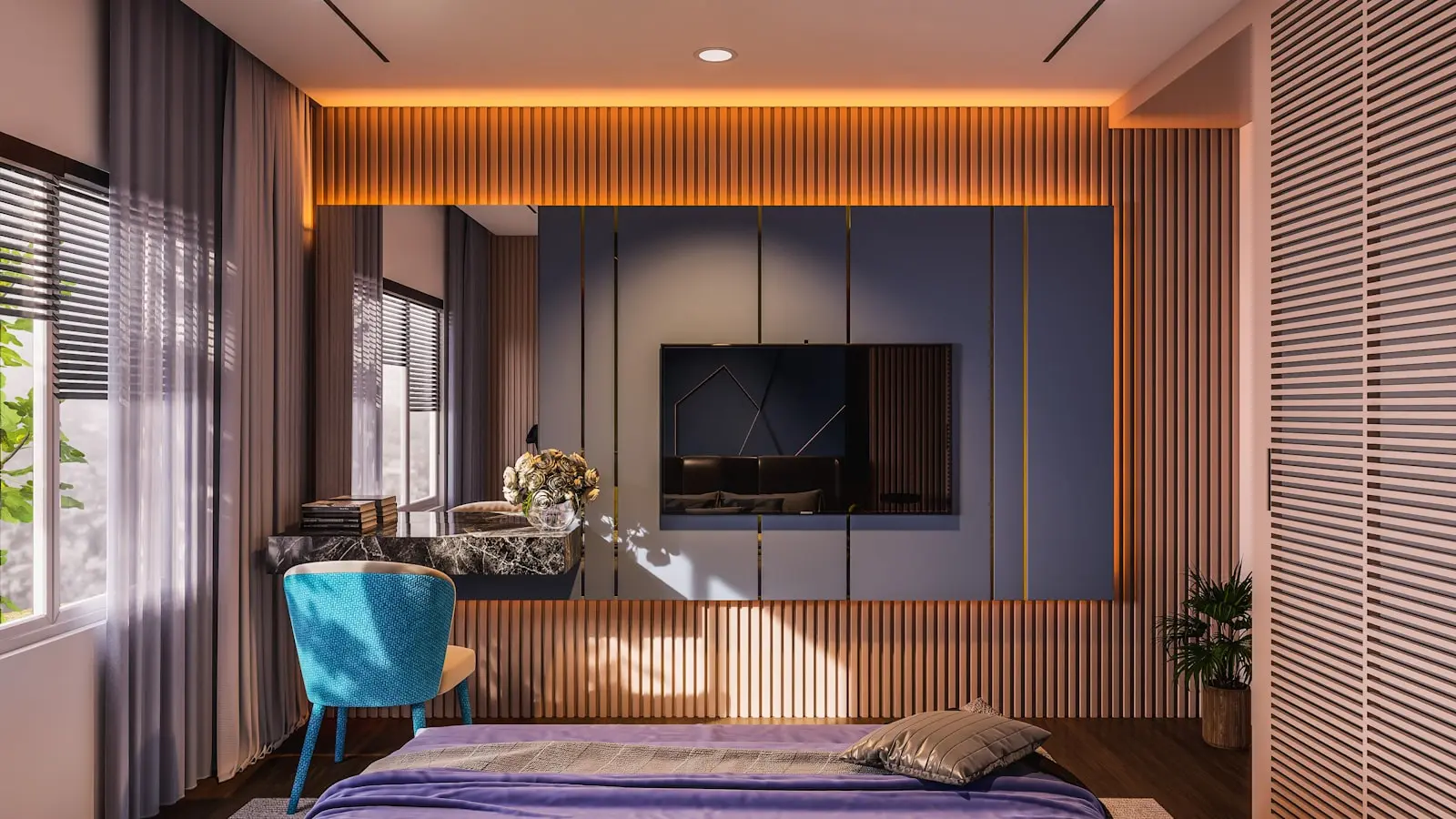
A sleep routine TV habit does not require giving up television. The practical goal is to keep entertainment from quietly replacing the time you need to wind down and sleep. A consistent wake time, a pre-decided viewing endpoint, and a short transition after the TV goes off can make late-night television sleep patterns easier to manage.
Key Takeaways
- Treat late viewing as a planning and cue-design problem, not a failure of willpower.
- Anchor your schedule with a practical, mostly consistent wake time, then work backward to set a viewing cutoff.
- Decide what the final episode or event segment will be before you press play, and use settings such as autoplay controls and timers to support that choice.
- Replace the post-show gap with a brief, low-stimulation wind-down instead of switching to more scrolling or videos.
- Persistent sleep trouble, major daytime impairment, loud snoring, gasping, or unintentional sleep episodes warrant professional guidance.
Television is only part of the picture. Content, room lighting, autoplay, phone use during and after a show, caffeine, and an irregular morning schedule can all make it easier to drift later than intended. The aim is not perfect adherence every night; it is a routine that leaves enough opportunity for sleep on most nights.
Identify What Is Actually Extending Your Evening Viewing
Many late nights begin with small, unplanned decisions. An episode starts later than expected, runs longer than expected, ends on a cliffhanger, and the next one begins automatically. By the time the TV is off, going straight to bed may feel abrupt or unrealistic.
The type of program can matter, too. Suspenseful dramas, upsetting news, competitive events, and emotionally intense films may leave some people feeling mentally activated after viewing. Familiar, lighter, or shorter programs may be easier to stop and leave behind. The effect varies, so it is more useful to notice your own pattern than to assume all television affects sleep in the same way.
It also helps to separate delayed bedtime from trouble sleeping once you are in bed. Delayed bedtime means viewing continues past your intended stopping point. Difficulty falling asleep, staying asleep, or waking too early may have additional contributors, even if late viewing is part of the pattern.
For one week, keep a brief baseline record. Note your planned and actual viewing stop times, bedtime, wake time, caffeine timing, and next-day alertness. This is not a discipline test; it can reveal whether the main problem is a late start, autoplay, second-screen scrolling, or an unrealistic bedtime target.
Anchor the Routine With a Wake Time and Viewing Cutoff
A steady wake time is often a more workable anchor than trying to force sleep at an earlier hour. Sleep cannot be commanded on demand, but getting up at a reasonably consistent time can support a more predictable daily rhythm. Choose a wake time that fits most workdays, caregiving demands, and regular responsibilities.
Then work backward from that time. Leave room after viewing for hygiene, preparing for the next day, and a low-stimulation transition. The right buffer is individual: a familiar comedy may require less decompression than a tense film or a live game.
Set a viewing cutoff rather than relying on a vague plan to stop “soon.” For example, decide that no new episode starts after your cutoff, even if you finish the one you selected. This preserves entertainment time while preventing a tired, late-night decision from becoming the default.
Use a last-play rule before opening a streaming app. Select the final episode, movie segment, or event endpoint in advance. Check the running time, consider whether the content is likely to feel activating, and account for the next morning’s demands. If the remaining sleep opportunity feels too short, choose something shorter or save the episode for another evening.
A routine can be flexible without becoming unlimited. A finale, film night, or live sports event may be worth a deliberate late night. Treat it as a planned exception, then return to your usual wake time and viewing cutoff as closely as practical afterward.
Make Stopping Easier With TV and Device Settings
The most helpful change is often one that removes a decision at the hardest moment. Turn off autoplay and next-episode previews when available. A sleep timer, scheduled device shutdown, or reminder alarm can provide an external cue that the viewing period has ended.
Keep the remote, phone, or streaming device out of reach of the bed. That small amount of friction can interrupt the automatic cycle of restarting a show or moving from television to scrolling. If you use a phone as a remote, consider charging it across the room or outside the bedroom after viewing ends.
Choose content strategically near the cutoff. An unfamiliar serialized drama may be compelling precisely because it makes the next episode difficult to resist. Near bedtime, some people do better with a familiar episode, a program with a clear ending, or something short enough to fit the available time.
Watching TV in bed can blur the cue between a place for sleep and a place for entertainment. If your space allows, watch from a couch or chair and enter the bedroom after the television is off. If the TV must stay in the bedroom, turn it fully off rather than leaving it on in the background, and keep the rest of your bedtime sequence consistent.
Use these changes as experiments, not punishments. Keep the settings that reduce unplanned viewing while allowing television to remain a pleasurable part of the evening.
Replace the Post-Show Gap With a Short Wind-Down Sequence
Turning off the TV is easier when it reliably starts the next step. Build a short wind-down sequence that begins immediately after viewing instead of leaving an unstructured gap. The purpose is not a perfect ritual; it is a repeatable signal that the day is ending.
A simple sequence might include dimming lights, brushing your teeth, setting out clothes or preparing one item for tomorrow, and doing a quiet activity. Reading a paper book, gentle stretching, a warm shower, calm music, or a brief breathing practice can work if it feels relaxing rather than like another task to complete.
If you need to use a screen after the TV goes off, keep the activity finite and low-stimulation where possible. Checking tomorrow’s calendar is different from opening an endless feed, another video platform, or emotionally charged messages. Set a specific purpose, complete it, and put the device away.
Evening light may affect sleep timing for some people, and bright room lighting can add to the stimulation of a lit screen. Lowering lights as bedtime approaches is a practical environmental cue. A comfortable, dark sleep space and devices charged away from the bed can also reduce interruptions and automatic checking.
No single factor explains every case of late-night television sleep difficulty. Viewing timing, room brightness, content intensity, and your existing sleep pattern may each matter to different degrees.
Adjust Habits That Make Late Viewing Harder to Recover From
A late viewing night is often easier to absorb when the rest of the routine is stable. Consider whether late-day caffeine, alcohol close to bedtime, or a heavy late meal makes it harder to settle after the TV goes off. These factors affect people differently, but they can compound an already delayed evening.
Morning habits matter as well. Getting daylight exposure early in the day and following a consistent wake-up sequence can reinforce the schedule you are trying to protect at night. The goal is not rigid perfection on weekends, but avoiding repeated, large shifts that make an earlier weeknight cutoff harder.
After a planned late event, avoid turning one exception into several late nights. Resume your usual cutoff the following evening. Some people find that a long or late nap makes nighttime sleep more difficult; if you nap, pay attention to whether its timing or length affects your bedtime.
Try a two-week adjustment rather than changing everything at once. Keep the wake time as steady as practical, move the viewing cutoff earlier in small steps, and review bedtime consistency and next-day functioning. If an earlier cutoff creates resentment or repeatedly fails, revise it until it is realistic enough to repeat.
Know When a TV-Habit Adjustment Is Not Enough
Changing a bedtime screen routine can help with unplanned delayed bedtimes, but it is not a complete answer for every sleep concern. Ongoing trouble falling asleep, staying asleep, waking much earlier than intended, or functioning during the day may deserve a broader assessment.
Consider speaking with a qualified clinician if sleep problems persist, interfere with work, relationships, mood, or daily functioning, or create safety concerns. Prompt guidance is also important for loud habitual snoring, gasping during sleep, unintentional episodes of falling asleep, or severe mood changes.
Sleep disruption can relate to medical conditions, medications, stress, mental health concerns, and other sleep disorders. A clinician can help sort through possible contributors without assuming television is the sole cause. If sleepiness affects safety-sensitive tasks, seek appropriate professional support rather than trying to push through it.
FAQ
Can I watch TV at night and still have a healthy sleep routine?
Yes. The key is making viewing deliberate rather than open-ended. A planned endpoint, settings that prevent automatic continuation, and a brief wind-down can allow evening entertainment without repeatedly sacrificing sleep opportunity.
What is the best viewing cutoff time before bed?
There is no universal clock time. Choose a cutoff by working backward from a practical wake time and leaving room to decompress after viewing. Episode length, content intensity, and next-day obligations should shape the decision.
Should I sleep in after a planned late-night show or live event?
Occasional flexibility may be unavoidable, but large schedule changes can make it harder to return to your normal rhythm. When feasible, return to your usual wake-time routine and viewing cutoff promptly, while paying attention to daytime sleepiness and overall functioning.