Stressful news can leave you physically tired but mentally alert. Threatening or uncertain information may keep your attention focused on what happened, what could happen next, and whether you need to act. The goal is not to stop caring or force sleep; it is to reduce fresh stimulation and create a predictable transition into rest.
A wind-down routine can reduce common contributors to wakefulness, but it cannot erase grief, anxiety, ongoing danger, or a difficult personal situation. If sleep problems persist or distress affects daytime life, medical or mental-health support may be more useful than trying to perfect sleep hygiene.
Key Takeaways
- Stress can create bedtime hyperarousal: you may feel exhausted while your mind remains alert and watchful.
- A repeatable final-hour routine can help by limiting new inputs, lowering stimulation, and keeping the bed for sleep rather than updates.
- Doomscrolling and sleep disruption are not only about blue light; alerts, upsetting content, delayed bedtime, and habitual checking also matter.
- Adjusting caffeine, alcohol, meals, exercise, and the bedroom environment can remove extra obstacles to sleep.
- Persistent insomnia, serious daytime impairment, panic symptoms, worsening mood, or safety concerns warrant professional support.
Why stressful news can make you tired but unable to sleep
After an emotionally intense day, the body may be depleted while the mind stays on watch. Alarming, rapidly changing, or uncertain information can keep thoughts looping: What happened? What might happen next? What should I do? Once the screen is off, a quiet bedroom can still feel mentally loud.
This is often called bedtime hyperarousal: worry, physical tension, attention, or emotional activation makes it harder to settle into sleep. It is not necessarily a failure of discipline. You can be exhausted and still find it difficult to stop monitoring, planning, or replaying what you saw.
Trying to make sleep happen can add pressure. Clock-watching, calculating the hours left, or criticizing yourself for being awake can turn bed into a place for problem-solving. A more helpful aim is to lower stimulation and use a few consistent cues that signal the day is ending.
Sleep-supporting habits have limits. Persistent anxiety, panic symptoms, depression, trauma-related distress, pain, medication effects, substance use, caregiving strain, and real-world threats can all affect sleep. A routine is a support tool, not a measure of whether your concerns are valid or a substitute for care.
Use a realistic 60-minute bedtime anxiety routine
A useful bedtime anxiety routine does not need to be elaborate. Its value comes from providing a repeatable transition between absorbing information and trying to sleep. On especially difficult nights, a shortened version is still worthwhile.
About 60 to 45 minutes before bed: stop adding new inputs. Choose a realistic news cutoff for that night, mute nonessential alerts, and decide when you will check updates next. Writing, “I will review this tomorrow morning,” can turn an open-ended urge to monitor into a defined plan.
If you need essential information, make the check intentional rather than continuous. Read one update from a source you rely on, avoid opening related feeds, and then close the app. The aim is not total avoidance; it is ending the flow of emotionally activating material immediately before sleep.
About 45 to 30 minutes before bed: create a transition ritual. Dim the lights if possible, wash up, change clothes, prepare the room, and complete one small task that helps tomorrow go more smoothly. Ordinary actions can help because they give the mind something concrete and low-stakes to do.
If thoughts are circling, use a brief paper note. Write down one practical action for tomorrow, one thing outside your control tonight, and anything you need to remember. This is not an attempt to solve the issue before bed. It simply reduces the pressure to keep rehearsing it mentally.
About 30 to 15 minutes before bed: choose low-demand comfort. A familiar book, quiet audio, a simple craft, gentle stretching, or a calm conversation may feel more manageable than silence after a chaotic day. Familiar material is often a better fit than suspenseful television, emotionally heavy documentaries, work email, or more news.
Choose what feels soothing rather than what seems like the “right” relaxation method. If meditation makes distressing thoughts feel louder, a neutral audiobook or repetitive task may be a better option. Relaxing before bed does not look the same for everyone.
For the final 15 minutes: protect the bed as a sleep space. Put the phone out of reach when possible, use a brief calming practice, and avoid checking updates under the covers. Slow breathing, progressive muscle relaxation, or noticing the physical feel of blankets and pillows can offer a neutral point of attention without requiring you to clear your mind.
If you are awake long enough that frustration is building, consider leaving the bed for a dim, quiet activity until you feel sleepy again. Avoid turning that break into scrolling or clock-checking. Returning when drowsiness returns may help preserve the connection between bed and sleep rather than bed and alertness.
Set news and phone boundaries that work in real life
Doomscrolling and sleep can reinforce each other. The more alarming or uncertain content feels, the more tempting it may be to look for reassurance in the next update. Continuous checking, however, can extend emotional activation, delay bedtime, and create more opportunities for notifications or upsetting material to pull you back in.
A phone curfew for sleep does not have to mean switching your phone off every night. Start with a boundary you can repeat: no news apps during the final hour, no phone in bed, or one scheduled update followed by Do Not Disturb. A modest boundary used consistently is often more useful than an ideal plan that does not fit your life.
Reduce automatic checking where you can. Move news apps off the home screen, turn off autoplay, silence nonessential notifications, log out of tempting feeds, or charge the phone across the room. On especially difficult nights, you might ask someone you trust to hold the device during the final part of your routine.
Screens can affect sleep through more than light exposure. Bright evening light and device use may interfere with sleep for some people, but effects vary. Notifications, stimulating content, lost time, and the expectation that another update may arrive can matter as much as display brightness.
Dimming features and warmer screen settings may improve comfort, but they do not make distressing content less activating. A screen filter cannot fully offset an urgent headline, argument, or constant stream of uncertainty. Changing the content and checking habit is often more important than changing the display alone.
Some people cannot fully disconnect. Parents, caregivers, on-call workers, and people awaiting important information may need to keep their phones available overnight. Allow calls or messages from priority contacts, silence everything else, and use a distinct alert tone for genuine emergencies. Text-only updates, one scheduled check, or an offline alarm clock can also reduce the pull to keep the device beside the pillow.
Shift workers can apply the same principle to their own main sleep period rather than a conventional nighttime schedule. The key is protecting a transition before sleep, whether that occurs in the morning, afternoon, or evening. A darker, quieter room may help with environmental barriers, but no expensive setup is required.
Remove common contributors to stress-related wakefulness
Stress-related wakefulness is often compounded by everyday habits that are easy to overlook. The goal is not to create a restrictive rulebook. It is to notice which factors intensify your wired feeling and adjust them gradually.
Caffeine can be useful earlier in the day but may prolong alertness for people who are sensitive to it, particularly after a stressful day. Notice whether late coffee, tea, energy drinks, pre-workout products, or certain sodas make it harder to settle. If they do, experiment with having them earlier.
Alcohol can feel sedating at first, but it may disrupt sleep later in the night for some people. It is not a reliable sleep aid, especially when used to blunt distress from the news. If drinking becomes a repeated way to get through the night, discuss it with a clinician.
Very heavy, spicy, or late meals can add physical discomfort to an already activated evening. Drinking large amounts immediately before bed can also lead to bathroom trips that interrupt sleep. Aim for comfortable, consistent choices rather than strict food rules; hunger and dehydration can also interfere with rest.
Daytime movement can support sleep for many people, while intense late exercise can feel activating for others. If evening workouts leave you energized, consider moving strenuous activity earlier when practical or choosing gentler movement closer to bed. Individual response matters more than forcing a schedule that does not work for you.
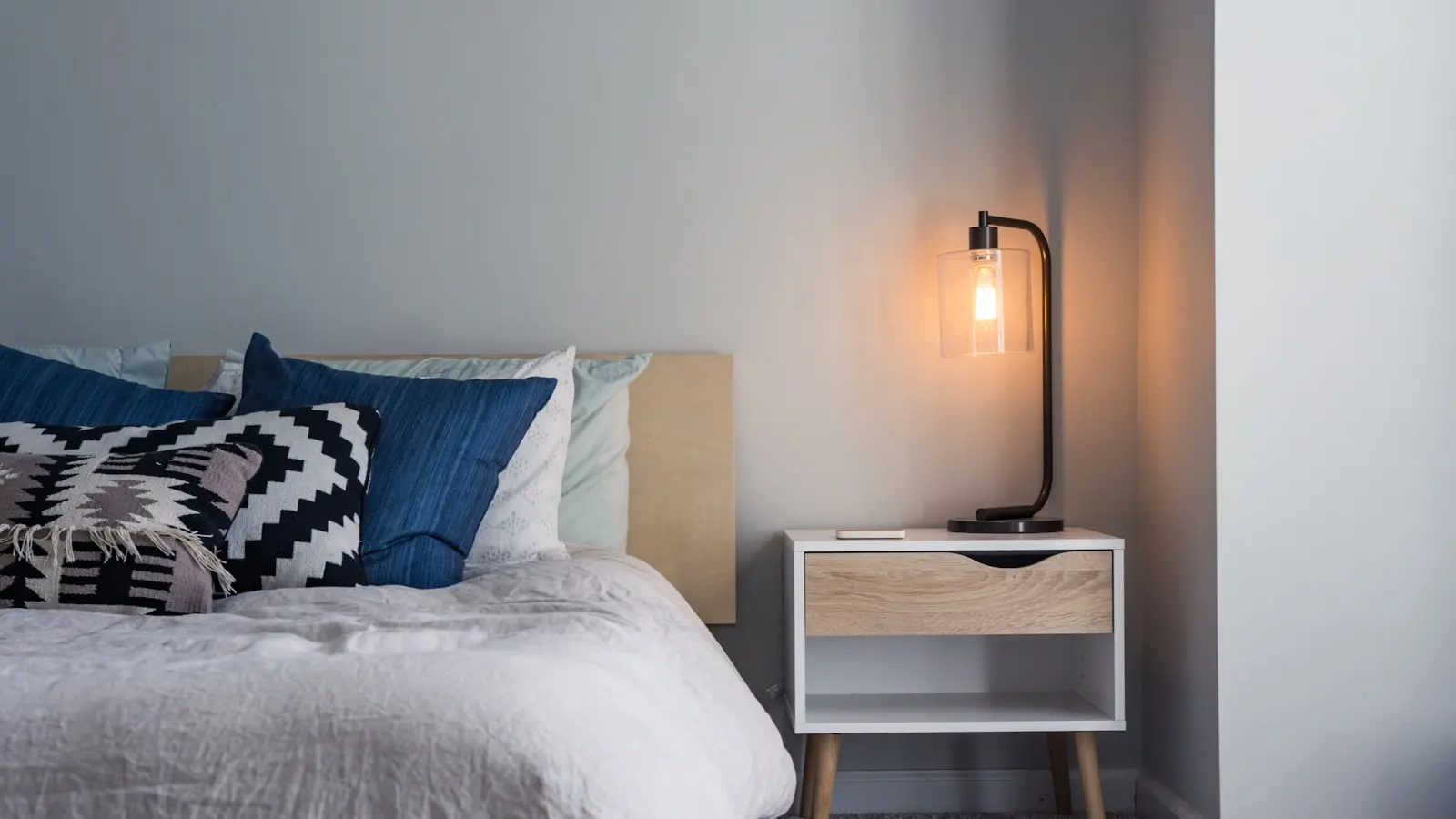
Make the room as sleep-friendly as your circumstances allow. Reduce avoidable light, noise, excessive warmth, and easy access to updates. Small changes, such as lowering a lamp, placing a book nearby, or moving the phone outside the bedroom, can remove more obstacles than searching for a perfect sleep product.
Know when self-care is not enough
Occasional disrupted sleep after disturbing events can happen. Seek professional guidance when insomnia persists, concentration and daily functioning are significantly affected, or you are struggling to stay awake and safe while driving, working, or caring for others.
Also reach out if bedtime distress includes repeated panic symptoms, worsening mood, intrusive thoughts, escalating substance use, or concern that pain, medication, or another health condition may be affecting sleep. Support is appropriate when the effects spread beyond bedtime; you do not need to wait for the problem to become extreme.
For ongoing insomnia, a clinician can assess possible contributors and discuss treatment options. Cognitive behavioral therapy for insomnia, often called CBT-I, is commonly used for chronic insomnia. It is more structured than generic sleep advice and can address sleep habits, learned associations with wakefulness, and unhelpful sleep-related worry.
If distress about the news feels persistent, intrusive, or difficult to manage during the day, a mental-health professional can help with strategies that extend beyond an evening routine. Seeking support does not mean you are overreacting; it means the burden deserves attention.
If you may harm yourself, feel unable to stay safe, or are in immediate danger, contact local emergency services or an available crisis service immediately. Do not rely on a sleep routine to manage an urgent safety situation.
FAQ
Should I stop watching the news completely before bed?
Not necessarily. A more sustainable approach is to stop consuming new updates close to sleep or limit yourself to one intentional check. If avoiding all news makes you more anxious, choose a defined time and source, then transition to an offline or low-stimulation activity.
What can I do if I need to keep my phone on overnight?
Use Do Not Disturb or a similar setting while allowing calls or messages from selected contacts. Keep the device out of reach, disable nonessential alerts, and avoid using it for entertainment in bed. An offline alarm clock can make it easier to place the phone farther away.
How long can stress-related insomnia last before I should talk with a clinician?
Talk with a clinician sooner if sleep loss causes major daytime impairment, safety concerns, panic symptoms, worsening mood, or difficulty functioning. Even without those warning signs, persistent or recurring insomnia is worth discussing rather than trying to manage indefinitely alone.