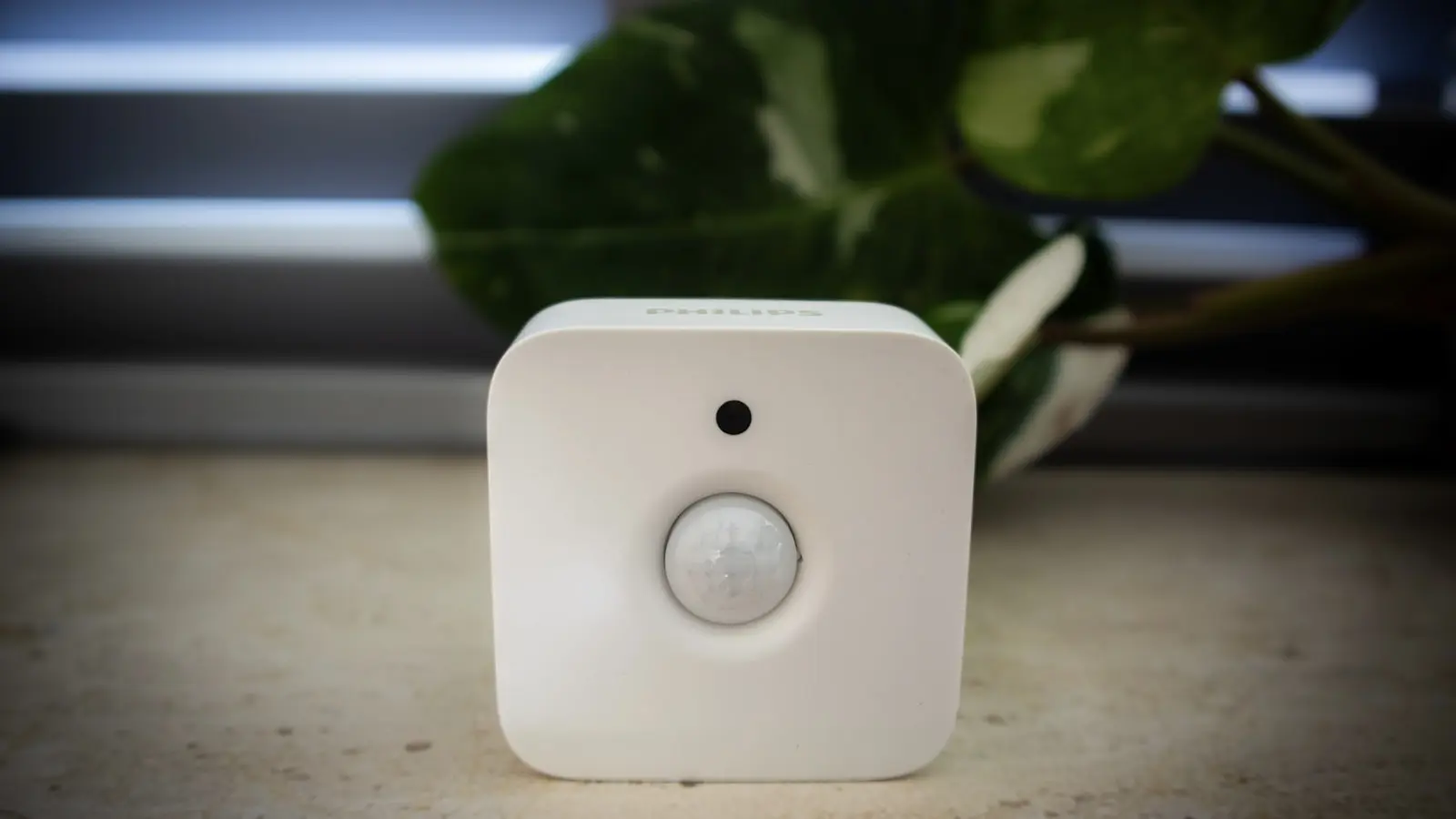
The transition toward fully automated living environments has arrived with a significant, often overlooked security debt. Recent data from the Tech Security Institute highlights that 45% of consumer smart hubs operate on outdated firmware, lacking the fundamental automated patch mechanisms required to defend against modern threats. (Is this truly acceptable in 2026?) These devices function as the central gateway for a household, yet they remain the most common point of failure in network perimeter security.
The Anatomy of the Vulnerability
The primary vector for compromise remains the man-in-the-middle (MITM) attack. Modern smart home hubs frequently rely on legacy encryption protocols that fail to meet current security benchmarks. When a device relies on protocols older than WPA3, it becomes trivial for an interceptor to eavesdrop on traffic between the hub and the cloud provider. The industry-wide push for seamless, plug-and-play installation has fundamentally prioritized user convenience over robust data integrity.
Manufacturers have historically favored ease of setup to capture market share. This design philosophy creates a dangerous oversight: the lack of mandated multi-factor authentication (2FA). Without 2FA, unauthorized actors utilize phishing tactics to gain control over administrative dashboards. Once a hub is compromised, the attacker moves laterally across the network, targeting high-value data on local storage servers and main computers. (Security is the clear loser here.)
Mitigation Strategies for Home Networks
The gap between device complexity and security standards leaves the responsibility of network integrity with the end user. To mitigate these risks, implementing network segmentation is no longer optional. By creating a dedicated Virtual Local Area Network (VLAN) for IoT devices, users can effectively isolate smart appliances from their critical hardware. If a smart lightbulb or a vulnerable hub is compromised, the containment provided by the VLAN prevents the attacker from accessing sensitive network resources.
| Feature | Security Status | Recommended Action |
|---|---|---|
| Encryption Protocol | Legacy (WPA2 or lower) | Upgrade to WPA3 |
| Authentication | Single-factor | Mandate 2FA setup |
| Firmware | Manual updates only | Enable auto-update if possible |
| Network Access | Open to all devices | Implement VLAN segmentation |
Bridging the Security Gap
Industry standards are currently struggling to keep pace with the multi-vendor ecosystems that define the modern smart home. Because devices from different manufacturers often utilize varying proprietary stacks, uniform security enforcement is difficult to achieve. Security analysts consistently emphasize that manufacturers must shift their approach, moving away from prioritizing rapid deployment cycles.
Robust security requires a baseline shift. If companies fail to integrate 2FA at the account level and continue shipping devices without auto-update capability, the burden of defense remains unsustainable for the average consumer. (The industry needs a wake-up call.) For now, the most effective strategy involves strict network isolation and constant vigilance regarding firmware releases. While the convenience of a connected home is high, the cost of a network breach remains significantly higher.