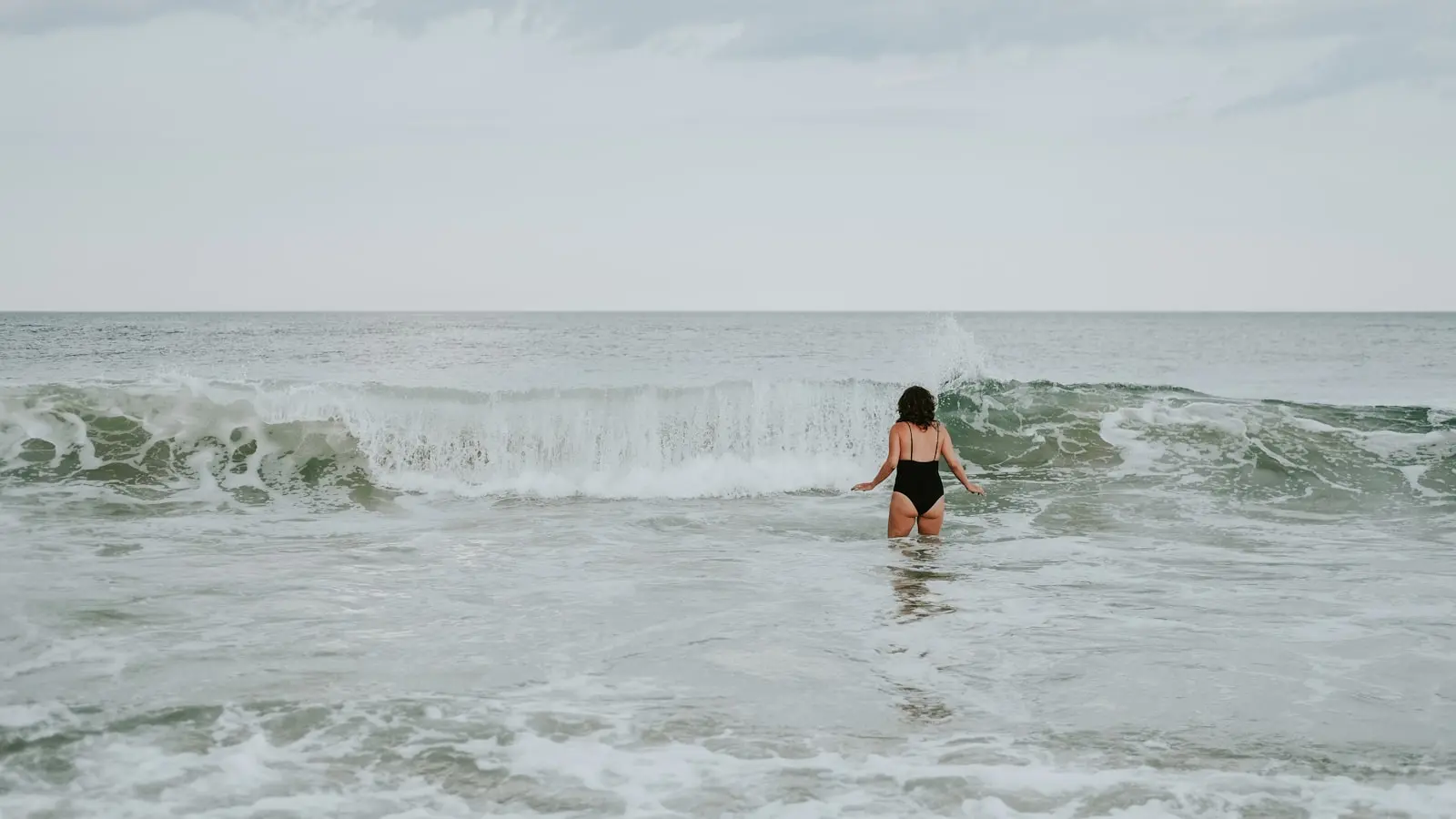
The short answer: driving is not the issue, readiness is
For most people, swimming after driving is not automatically unsafe. A long drive, ferry crossing, or hot walk is not, by itself, a reason to avoid the sea. The better question is whether the journey has left you tired, overheated, dehydrated, unwell, affected by alcohol, or unprepared for local conditions.
A brief, easy dip near shore at a calm, supervised beach is very different from swimming far out, snorkeling alone, or entering choppy water. Travel fatigue and heat can reduce your margin for error, while open water adds waves, currents, slippery rocks, boat traffic, and potentially difficult exits.
If you are unsure about your alertness, feel unwell, have not cooled down or had fluids, or cannot judge the water conditions, wait. A shaded rest break and a later reassessment are often the sensible choice.
Key Takeaways
- Driving itself does not make sea swimming unsafe; fatigue, heat, dehydration, alcohol, illness, and sea conditions are the real considerations.
- Do not swim after drinking alcohol or when you are dizzy, unusually weak, confused, nauseated, or severely tired.
- Cool down, drink water, and enter gradually when the sea feels much colder than the air.
- Keep a first swim after travel short, close to shore, and within sight of someone who can help if needed.
- Lifeguard instructions, warning flags, weather alerts, and local restrictions always take priority over a personal checklist.
Why travel can make an otherwise routine swim riskier
Driving is not the problem, but the demands around travel can be. Hours of concentration, poor sleep, traffic stress, luggage carrying, sun exposure, and a warm vehicle may leave someone less physically and mentally ready than they realize.
Fatigue matters because swimming requires judgment and attention. Ordinary tiredness may simply mean choosing a shorter, gentler swim. Pronounced sleepiness, poor balance, dizziness, confusion, or severe weakness are reasons to stay out of the water, since they can make it harder to respond to changing conditions or get out safely.
Heat exhaustion during travel is another concern. A hot car, exposed ferry deck, long transfer, or walk from parking to the beach can contribute to fluid loss and overheating before you reach the shore. Thirst, headache, nausea, light-headedness, unusual weakness, or dark urine suggest that rest and fluids should come before swimming.
Hydration before swimming does not mean forcing large amounts of water immediately before entering the sea. It is more useful to drink regularly during travel, spend time in shade, and wait until you feel settled. If you have been sweating heavily or have stomach upset, a demanding swim is unlikely to be the best next activity.
Alcohol deserves a clear rule: do not swim after drinking alcohol. Alcohol can impair balance, coordination, judgment, and the ability to recognize trouble early. Those effects matter more in open water, where conditions can change quickly and help may not be immediate.
Eating is more individual. There is no universal waiting time that everyone must follow after a meal. A large meal may leave some people uncomfortable, nauseated, or cramp-prone during vigorous activity; others may feel fine. Instead of watching the clock, consider how you feel and choose a gentle shoreline dip rather than a hard swim if you are very full.
Cold water shock risk can also be easy to underestimate after a hot journey. Water that feels sharply cold compared with the air can trigger an involuntary gasp and rapid breathing when someone enters suddenly. That response can be hazardous if you jump or dive in, enter out of your depth, or face breaking waves.
A five-point check before entering the sea
Before sea swimming after travel, take a minute for a practical self-check. It does not replace lifeguard instructions, flags, weather alerts, or local restrictions, but it can reveal an avoidable mismatch between your condition and the swim you are planning.
1. Alertness: Are you awake, steady on your feet, and thinking clearly? If you are fighting sleep, feel dizzy, or cannot focus well, postpone the swim.
2. Heat and hydration: Have you cooled down in shade and had water? Consider whether you have a headache, nausea, light-headedness, unusual weakness, or other signs of overheating. If so, stay out of the water, cool down gradually, and reassess only when you feel well.
3. Food, alcohol, and illness: Have you avoided alcohol? Do you feel free of fever, vomiting, diarrhea, significant nausea, dizziness, chest discomfort, or unusual weakness? Illness can reduce stamina and become harder to manage in water, especially away from shore.
4. Water conditions: Are the waves, wind, currents, rocks, depth changes, boat activity, and route out of the water within your ability? Check posted flags and signs, watch the water for a few minutes, and follow lifeguard or local coastal-safety advice.
5. Company and plan: Is another responsible person nearby who can notice if you are struggling? Will you stay close to shore, and do you know where you will exit?
If every answer is reassuring, a short and easy swim may be reasonable. If any answer is no, wait, rehydrate, rest, choose shallow water, or skip the swim that day.
Safer ways to start after a hot journey
A short shoreline reset can improve sea swimming safety after travel. Move into shade, loosen restrictive clothing, drink water, and allow your breathing and body temperature to settle. The pause also gives you time to observe the sea rather than deciding while rushed or overheated.
When the water feels much cooler than the air, enter gradually. Start in shallow water, wet your arms and torso, and give your breathing time to settle. Avoid jumping or diving straight in, especially if you feel hot, tired, or unfamiliar with the depth and underwater terrain.
Treat the first few minutes as a test rather than a commitment. Stay where you can stand or return quickly to shore, and notice whether you feel comfortable, steady, and warm enough. If your breathing feels hard to control, you begin shivering strongly, or you simply do not feel right, get out and warm up gradually.
Choose the easiest available setting after a demanding journey. A supervised beach with calm water and a straightforward entry is preferable to a rocky cove, remote shoreline, or swim requiring you to negotiate waves. Pool confidence does not always translate to open water, where currents, swell, uneven footing, and changing depth add complexity.
For a first swim after arrival, keep the goal modest. A few minutes of wading or easy swimming with someone nearby may be enough to enjoy the water without turning a tiring journey into an unnecessary challenge.
When to postpone the swim and what to do instead
Postpone sea swimming if you have dizziness, faintness, confusion, a significant headache with overheating, vomiting, chest pain, breathing trouble, fever, severe fatigue, or marked weakness. These symptoms do not identify a specific cause, but they are poor conditions for entering open water.
Do not enter the water after alcohol or other substances that affect coordination, reaction time, awareness, or judgment. Enjoy the beach from land, eat, hydrate, and swim another time when fully sober and alert.
Water conditions can be a reason to wait even when you feel well. Rough surf, strong wind, warning flags, changing weather, poor visibility, difficult entry or exit, or no nearby supervision all reduce the safety margin. Local instructions should outweigh a visitor’s impression that conditions look manageable.
Children need close, active supervision near water regardless of how short the journey was. After a hot transfer, shallow supervised play may be a better choice than an immediate swim, especially if a child is sleepy, irritable, thirsty, or unfamiliar with waves.
Older adults, less confident swimmers, people returning to activity after illness, and anyone with a condition that could affect stamina or consciousness may need a more cautious threshold. Resting first, staying in shallow water, or choosing a supervised setting can be a proportionate adjustment rather than an all-or-nothing restriction.
Seek urgent local medical help for collapse, confusion, persistent vomiting, chest symptoms, severe breathing difficulty, or severe overheating. If someone becomes distressed in the water, prioritize getting help and avoid a rescue attempt that could put another person at risk unless it can be done safely.
FAQ
Is swimming after driving dangerous if I only feel tired?
Not necessarily. Mild travel tiredness may be compatible with a short, calm, near-shore swim if you are alert, hydrated, sober, well, and accompanied. If tiredness means sleepiness, poor balance, dizziness, or reduced concentration, rest first.
How long should I wait to swim after a hot car journey or ferry transfer?
There is no universal time limit. Wait until you have cooled down, had fluids, feel mentally alert, and have assessed the conditions. For some people, that may be a brief shaded break; after heavy heat exposure or poor sleep, it may mean postponing until later.
Can I swim in the sea after eating or drinking alcohol?
A meal does not require a fixed waiting period for everyone, but nausea, fullness, cramping, or discomfort are good reasons to keep activity gentle or wait. Alcohol is different: do not swim after drinking, because impairment can make open-water hazards harder to recognize and manage.