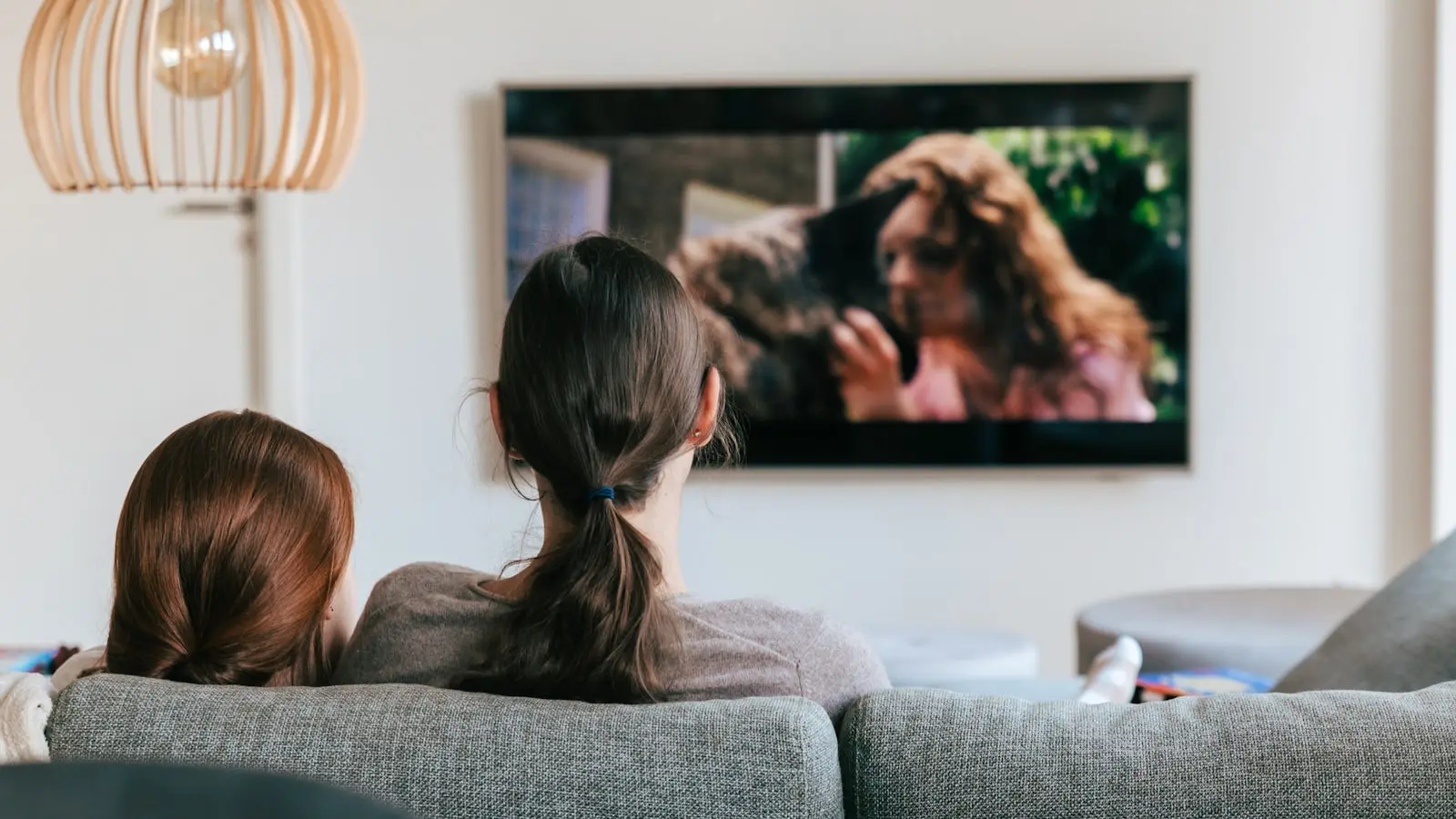
For a mixed group of 12-year-olds, scary movie screening is about choosing an intensity level the group can handle—not proving that a movie is suitable for every child. The safest choice is usually suspenseful rather than graphic, with a clear opt-out plan and a lighter activity ready afterward.
Key Takeaways
- Treat a movie rating as a first filter, then check title-specific content warnings and tone.
- Screen five areas: scare style, violence, sexual content, language or substance use, and emotional intensity.
- Choose a lower-intensity option for late-night viewing, especially when children are away from home.
- Ask invited families about boundaries in advance and make opting out easy during the movie.
- If a child remains distressed or has ongoing sleep trouble afterward, let their parent know and consider individualized professional guidance.
Start With a Fast Go or No-Go Decision
A quick decision rule can prevent an uncomfortable movie night: skip a title if it includes graphic violence, sexual content, cruelty, sustained terror, or themes likely to linger after bedtime. For a sleepover, the goal is excitement without putting children in the position of feeling trapped, embarrassed, or pressured to seem unafraid.
Aim for thrills rather than endurance. Mystery, supernatural suspense, adventure, and humor can feel mature without relying on detailed injuries, relentless dread, or disturbing imagery. A movie does not need to be extreme to feel special.
Check the setting as well as the film. Confirm the full runtime, planned start time, streaming version, and whether the movie will end early enough for a calm transition before sleep. Have an adult nearby, keep the lights accessible, and prepare a lighter backup activity.
Use this fast checklist before pressing play:
- Does the movie avoid graphic or realistic violence?
- Is sexual content minimal or absent?
- Are scares occasional rather than constant?
- Does the story avoid difficult themes, such as child endangerment, abuse, or prolonged grief?
- Is there time afterward for a snack, conversation, or a funny show?
If several answers raise concerns, choose another title. It is much easier to switch movies before the group is settled in than to manage discomfort midway through the night.
Use the Rating as a Starting Point, Not the Whole Answer
Official ratings and content descriptors are useful first filters. They may flag violence, language, sexual material, substance use, or other mature content. They cannot fully describe a movie’s mood, pacing, visual realism, or the fears that may affect an individual child, such as threatening adults, home intrusions, illness, dolls, or clowns.
A PG-13 rating is not an automatic yes for a mixed sleepover group. It is a prompt to investigate the specific title. One PG-13 movie may contain a few tense scenes and mild language; another may feature repeated jump scares, frightening imagery, intense threats, or emotionally heavy material.
Pair the rating with title-specific movie content warnings. Review available distributor information, official descriptors, and established screening guides that separate concerns by category. If the trailer suggests a shift from light suspense to horror, read more than one detailed summary before deciding.
A practical PG-13 movie guide asks five questions: What kind of fear does the movie use? How visible is the violence? Is there sexual content? What language or substance use appears? Are the emotional themes harder than the scares themselves? Those answers are usually more useful than the rating alone.
Screen Five Content Categories Before Pressing Play
Instead of asking whether a movie is simply “too scary,” use a repeatable screening framework. Breaking content into five categories makes the decision clearer and easier to explain to other families.
1. Suspense and scare style
Consider how the movie creates fear. Brief surprises, eerie music, fantasy monsters, and a few suspenseful scenes may work for some groups. A story built around unbroken tension, realistic stalking, home invasion, or constant helplessness can feel much more intense even without graphic images.
Look for the overall pattern. A handful of jump scares differs from a film that keeps viewers on edge for most of its runtime. Children who enjoy spooky stories may still dislike prolonged dread.
2. Violence and disturbing images
Check whether violence is implied or shown directly. Look for blood, injuries, weapons, cruelty, realistic threats, and whether harm involves children, pets, family members, or sympathetic characters.
Emotional framing matters too. Fantastical peril may land differently from realistic injury or scenes designed to shock. If a content guide describes graphic imagery or repeated violent attacks, another choice may better fit an age-appropriate horror boundary for a sleepover.
3. Sexual content and nudity
Review romantic scenes, sexual dialogue, nudity, coercion, and sexualized jokes. Families may have different standards, and a group event is rarely the ideal setting to test those boundaries.
Even brief material can create awkwardness if guests were not expecting it. When uncertain, choose a movie that keeps the focus on story, suspense, or adventure.
4. Language and substance use
Check for profanity, slurs, sexualized language, drinking, drugs, vaping, or risky behavior. Consider both frequency and context. A brief reference differs from repeated language or behavior treated as humorous, glamorous, or consequence-free.
This category can be useful when asking parents about preferences. Some households are comfortable with modest language but prefer to avoid substance use, while others may draw the line differently.
5. Emotional intensity
Some scenes are difficult because of their emotional content rather than their horror elements. Flag bullying, humiliation, family conflict, death, grief, abandonment, abuse, self-harm references, or a child in danger.
A child may tolerate imaginary creatures but find a realistic family crisis especially upsetting. That is why careful scary movie screening considers tone and themes, not only blood or jump scares.
Make a simple worksheet before movie night. List each concern, note its severity, and record timing only when a reliable guide provides it. Then decide whether to keep the movie, preview a scene yourself, skip a moment, or choose another title.
Account for Sleepover Dynamics and Other Families’ Boundaries
A group can make scary content more complicated. Some children may laugh or act unfazed because they do not want to stand out, even when they are uncomfortable. Others may become more excitable in a group, making tense scenes feel louder and more intense.
Darkness, fatigue, being away from home, and watching close to bedtime may make it harder for some children to settle afterward. Reactions vary widely, but these conditions are good reasons to choose a lower-intensity movie than you might pick for daytime viewing at home.
A brief, neutral message can prevent misunderstandings: “We are choosing a suspenseful movie with no graphic violence or sexual content. Are there any themes, ratings, or content areas you would like us to avoid for your child?”
This approach does not require parents to defend their preferences. It simply signals that you are planning for kids sleepover safety and want every guest to be comfortable.
Before the movie begins, set low-key expectations: no teasing someone for being scared, no pressure to continue watching, and no frightening clips or stories afterward. If families give different answers, choose the most conservative workable option or keep a less-intense backup ready.
Build an Exit Plan That Supports Nightmare Prevention
The best exit plan is one children can use without embarrassment. Keep lights available, offer a quiet activity nearby, and allow anyone to leave the room without explaining why. A book, craft, board game, or time with another adult can provide an easy alternative.
Do not treat opting out as a disruption or failure. Responses to frightening media can depend on temperament, recent experiences, and the particular fear depicted. Calm flexibility is more helpful than persuading a child to finish the movie.
Plan a decompression period after the film. Turn on the lights, offer a snack, and shift to something funny, familiar, or relaxing. Avoid extending the mood with scary videos, pranks, ghost stories, or repeated discussion of the most frightening scenes.
If a child becomes distressed, pause or stop the movie, acknowledge that the scene felt frightening, and help them move to a calmer space. Contact the child’s parent if the child remains upset, asks to go home, or needs support you cannot comfortably provide.
One difficult night does not automatically indicate a health problem. However, if sleep trouble, repeated nightmares, marked anxiety, or distress continues beyond the event, the child’s parent may want to seek individualized guidance from a qualified child-health or mental-health professional.
FAQ: Scary Movie Screening for 12-Year-Old Sleepovers
Is PG-13 automatically okay for a 12-year-old sleepover?
No. PG-13 is a useful signal to investigate further, not a guarantee that a movie suits every 12-year-old. Check the specific violence, scare style, sexual content, language, substance use, and emotional themes.
What content warnings matter most when choosing age-appropriate horror?
Prioritize graphic or realistic violence, sustained terror, sexual material, child endangerment, bullying, grief, abuse, self-harm references, and realistic threats. Also consider how the movie may feel in a dark, late-night group setting.
What should I do if one child gets scared during the movie?
Pause or stop the film without making the child the focus. Make leaving easy, offer a calm alternative, and reassure them that opting out is fine. If the child remains upset or wants to go home, contact their parent promptly.