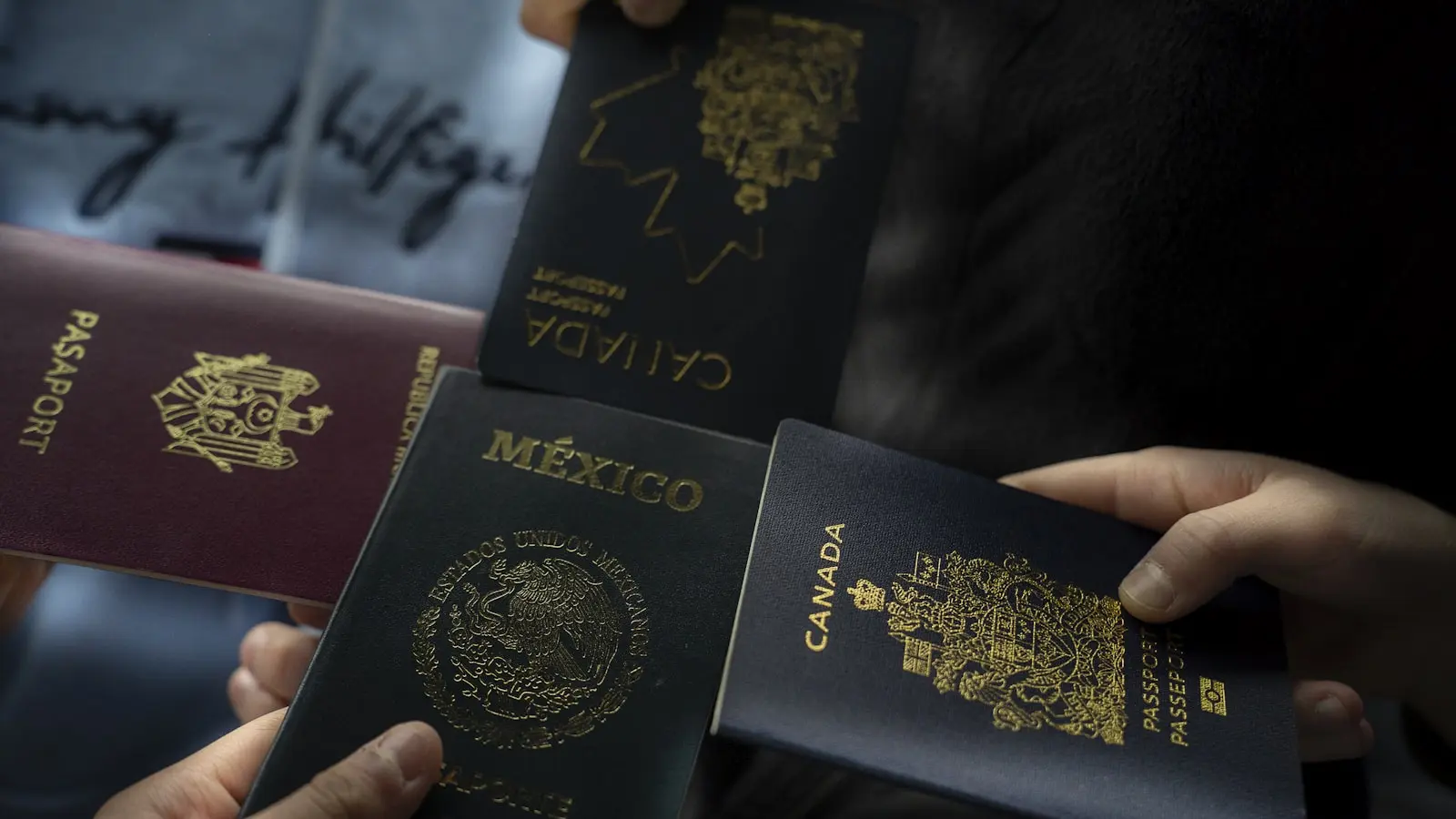
A Schengen tourist visa application commonly includes a completed form, passport, photographs, travel plan, accommodation evidence, travel medical insurance, proof of funds, and supporting records about your work, studies, or circumstances where requested. The exact requirements are not universal. Start with the current official checklist issued by the country responsible for your application and for your place of legal residence.
A well-organized file can prevent avoidable omissions, but it cannot guarantee approval. Your documents should present one accurate, consistent account of who you are, where you are going, how the trip is funded, and why the evidence supports the application.
Key Takeaways
- Use the official checklist from the Schengen country that is your main destination and the instructions for your residence jurisdiction.
- Common Schengen tourist visa documents include identity records, travel plans, accommodation, insurance, financial evidence, and profile-specific supporting documents.
- Keep names, passport details, dates, destinations, lodging, insurance, and funding information consistent across the file.
- Do not use fake reservations, altered statements, unexplained financial activity, or misleading employment or sponsor documents.
- A complete application file may still be refused; check the responsible authority’s current instructions for fees, timelines, and any review or appeal process.
Start With the Correct Official Schengen Visa Checklist
First, identify the country responsible for your application. In general, this is the country that is the main destination of your trip, often because you will spend the longest portion of the visit there or because it is the central purpose of the journey. If you will spend equal time in several countries or have a complex route, verify the current routing rules with the relevant official authority.
Next, find the application instructions for people legally resident where you live. The destination country may accept applications through an embassy or consulate, or through an authorized visa application provider. That local checklist governs the practical details: appointment booking, file order, submission location, document copies, translations, and supporting evidence.
Before collecting paperwork, confirm:
- The correct visa category, usually a short-stay tourist visa.
- The country responsible for your application.
- The official checklist for your country or jurisdiction of legal residence.
- Current appointment, fee, submission, and processing instructions.
- Whether originals, copies, certified records, or translations are required.
Schengen-wide guidance is a useful baseline, but destination-country and applicant-specific requirements remain decisive. A student, salaried employee, retiree, self-employed traveler, or sponsored applicant may need different supporting evidence.
Core Schengen Tourist Visa Documents
Think of your visa application documents as a file with four jobs: establish identity, explain the trip, show the travel arrangements, and demonstrate how the visit will be funded. The official checklist determines what is mandatory, but these items commonly appear.
Completed and signed visa application form. This is the file’s central record. Its travel dates, addresses, destinations, length of stay, and funding details should match the rest of your documents.
Valid passport and required copies. The authority may request copies of the identity page, previous visas, entry and exit stamps, or other relevant pages. Check the passport’s issue date, remaining validity, blank pages, and condition against current official rules. A passport valid on the day of travel may still fail a visa-specific requirement.
Recent passport photographs. Photograph rules can be strict on size, background, age, and presentation. Use the specifications supplied by the responsible authority rather than assuming a photo taken for another document is acceptable.
Proof of lawful residence, where applicable. If you apply outside your nationality country, you may need to show that you are legally resident in the country where you submit the application. The relevant checklist will specify acceptable evidence.
Travel itinerary or trip plan. Your itinerary should make the route, intended dates, destinations, and transport arrangements understandable. It should be plausible and consistent, not elaborate.
Accommodation evidence. This may include hotel reservations, rental documentation, or qualifying host records, depending on the applicable rules. Each night of the trip should be accounted for, especially when visiting more than one country.
Schengen travel insurance. Insurance must meet the responsible authority’s current requirements. Verify the geographic coverage, policy dates, covered risks, minimum coverage requirements, and insurer or policy acceptability before purchase.
Evidence of sufficient financial means. Bank statements and income records help explain how your travel, accommodation, and daily costs will be covered.
Work, study, or other circumstances evidence. Employment letters, approved leave, enrollment records, pension records, or self-employment documents may be requested to explain your circumstances and planned return after the trip.
Civil-status documents where relevant. Marriage, birth, custody, or relationship documents may matter for minors, sponsored travel, family travel, or host-based applications. They are not universal requirements.
Before submission, perform a consistency check. Your name spelling, passport number, home address, travel dates, destinations, employer details, host details, and sponsor information should align across every document.
How to Prepare Proof of Funds and Home-Ties Evidence
Tourist visa proof of funds is not about reaching one universal bank-balance target. Accepted evidence and expected funds can vary by destination, trip length, accommodation arrangements, residence jurisdiction, and applicant profile. Follow the period, format, and supporting-document rules in the controlling official checklist.
Recent bank statements are commonly central to the financial file. Where relevant, pair them with evidence of regular income, such as payslips, an employment letter, tax records, pension records, or business documentation. The goal is a truthful, understandable picture of how your ordinary income and available funds support the trip.
A large recent deposit may require context if it does not fit the account history. If it has a legitimate source, such as a documented sale, bonus, gift, or transfer between your own accounts, provide a short factual explanation and supporting records when permitted or requested. Do not manufacture deposits, alter statements, or conceal material facts.
Sponsors may be accepted in some cases, but the destination-country requirements control. A sponsor file may need to establish the sponsor’s identity, relationship to you, financial capacity, and any required declaration or host document. Use the exact evidence requested rather than relying on a general promise to cover expenses.
Home-ties evidence should be relevant rather than excessive. Employees may provide role and leave details. Students may provide enrollment and leave documentation. Self-employed applicants may provide registration, business activity, or tax records where appropriate. Family, property, and civil-status records should be included only when relevant and requested.
Check Travel Plans, Accommodation, Passport, and Insurance
Your travel plan should tell one consistent story. The application form, transport reservations, accommodation evidence, insurance dates, and budget should all describe the same trip. Resolve mismatches before submitting the file.
Follow the consulate’s stated standard for flight and accommodation evidence. Where permitted and practical, refundable bookings or temporary holds can reduce your financial exposure if an appointment changes or an application is refused. Avoid buying nonrefundable tickets solely to create evidence unless current official instructions specifically require paid travel.
Never submit fake, cancelled, or misleading reservations. A real but flexible plan is both safer and easier to explain.
Give insurance a separate final review. The policy should cover the required territory and period, with dates that fit the itinerary. Do not assume an ordinary travel policy qualifies simply because it includes medical benefits. Check the current conditions through the European Commission’s visa guidance and the responsible destination-country authority.
Submit a Controlled Country-Specific Application File
Treat visa application documents as a small project, not a pile of papers. Download the current official checklist first, then organize each record in that order.
Use a secure digital folder and simple file names, such as 01_Passport_Name.pdf, 02_ApplicationForm_Name.pdf, and 07_BankStatements_Month-Year.pdf. Clear names make missing items and outdated versions easier to spot.
Use this final workflow:
- Download the most current official checklist before gathering evidence.
- Check document issue dates, validity periods, signatures, and photo requirements.
- Confirm whether translations, legalization, apostilles, originals, or copies are required.
- Arrange documents in the stated checklist order and prepare any required copy set.
- Compare names, passport details, dates, addresses, itinerary stops, funding, and sponsor details across the full file.
- Submit only through the embassy, consulate, or authorized provider identified by the responsible destination country.
Passport scans, bank statements, and civil-status records are sensitive. Use approved submission channels, retain access-controlled or encrypted copies where possible, and share only what the authority requires. Redact information only when the official instructions expressly permit it; excessive redaction can make a document unusable.
After submission, the authority may request additional records. Processing times, fees, passport return arrangements, refusal notices, review options, and appeal procedures vary by authority and may change. If a decision is unfavorable, use the instructions issued by the responsible authority to understand the available next steps.
A complete file can still be refused because document completeness is not the same as eligibility or a favorable decision. The strongest approach is an accurate, current, country-specific application that is honest, orderly, and internally consistent.
FAQs
What documents are required for a Schengen tourist visa application?
Common Schengen tourist visa documents include a completed application form, passport, photographs, itinerary, accommodation evidence, travel medical insurance, proof of funds, and relevant work, study, residence, or civil-status records. The responsible destination country’s official checklist is the final authority.
How much proof of funds do I need for a Schengen tourist visa?
There is no reliable universal amount. Requirements can depend on your destination, trip duration, accommodation, residence jurisdiction, and personal circumstances. Use the responsible authority’s current guidance and provide truthful records showing how the trip will be funded.
Do I need to buy flights and hotels before applying for a Schengen visa?
Follow the destination country’s stated evidence requirement. If paid bookings are not explicitly required, refundable reservations or suitable holds may reduce your financial risk. Do not use fake reservations or make nonrefundable purchases solely for the application without checking official instructions.