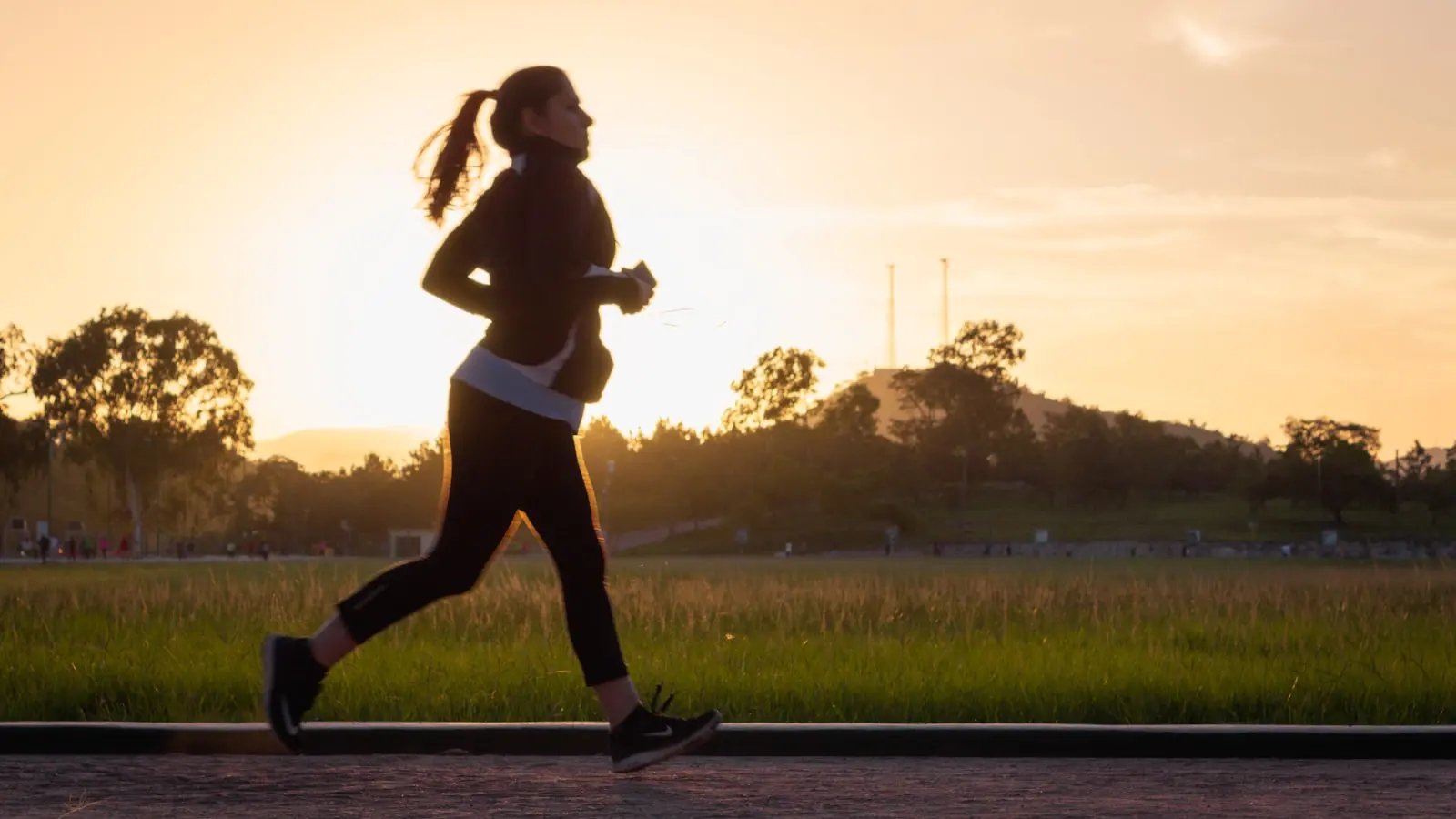
Running after travel delays does not have to mean completing the original workout or doing nothing. After poor sleep, a delayed flight, prolonged sitting, and disrupted meals, the best choice is often a walk, a short easy run, or full rest—not intervals, a long run, or a hard gym session.
Treat the day as a readiness decision, not a test of discipline. One modified session is unlikely to alter a training block, while forcing intensity when you are fatigued, dehydrated, or disoriented can create a larger recovery problem.
Key Takeaways
- Choose walking, an easy run, or rest based on sleep, alertness, symptoms, hydration, weather, and route safety.
- After poor sleep or jet lag, use conversational effort instead of pace, splits, or heart-rate targets to guide a run.
- Postpone intervals, tempo work, long mileage, and maximal lifting until recovery feels more normal.
- Rehydrate gradually, eat familiar food, and check heat, air quality, daylight, and route conditions before heading out.
- Do not chase a missed workout. Resume quality training when you are rested and moving normally again.
Make the call with a quick readiness check
Before putting on your shoes, take two minutes to assess the whole situation. Travel stress is rarely only about sleep. Delays can combine hours of sitting, reduced fluid intake, unfamiliar food, stiffness, a shifted body clock, a late arrival, heat, and an unfamiliar route.
Ask yourself these practical questions:
- Did I sleep enough to feel reasonably alert and coordinated?
- Have I had fluids and a normal meal or snack since traveling?
- Do I feel tired, or do I feel unwell?
- Are my legs mildly stiff, or unusually sore, heavy, or painful?
- Is it hot, humid, dark, stormy, or affected by poor air quality?
- Do I know where I will run and how I will return safely?
Then use a three-option decision ladder.
Choose walking or gentle mobility when sleep was very poor, you arrived late, your body feels sluggish after sitting, or you are not confident about the route. A brief walk, comfortable mobility, and an earlier bedtime may support recovery better than trying to salvage a demanding session.
Choose a short easy run when you feel stable, have eaten and had fluids, have no concerning symptoms, and can run in daylight or on a familiar, low-stress route. Keep the effort conversational: you should be able to speak in full sentences without straining for breath.
Choose full rest when you have illness symptoms, dizziness, chest discomfort, a substantial headache, unusual shortness of breath, severe soreness, or conditions that make outdoor exercise unsafe. Rest is not lost training; it can protect the quality of the sessions that follow.
Choose walking, an easy run, or rest based on today’s constraints
A walk is often the most sensible exercise after flying or a long transit day. Gentle movement may ease the stiffness that comes with prolonged sitting without asking much from a sleep-deprived body. It also avoids the practical risks of running while tired in a city you do not know.
If you arrive at 9 p.m. after a delay and slept only a few hours the night before, a brief walk near your lodging may be enough. Follow it with a familiar meal, fluids, and a normal wind-down routine. A late hard workout can further interfere with sleep when your schedule is already disrupted.
A short easy run can make sense when it feels uncomplicated rather than forced. Keep it close to where you are staying, choose a route that is easy to shorten, and remove pace from the goal. Your usual pace may feel unexpectedly difficult after poor sleep or jet lag, so watch data is not a useful measure of success that day.
Use effort instead. If breathing is controlled, your stride feels coordinated, and you could turn around at any point without frustration, the run is likely staying in the appropriate range. If it starts to feel like work, slow to a walk or finish early.
Full rest is appropriate when the potential benefit of movement is small compared with the recovery cost or safety concern. This may be the right choice after a red-eye flight, a night of repeated wake-ups, gastrointestinal symptoms, a severe headache, or a hot afternoon in an unfamiliar location. You do not need to earn rest by first attempting the planned workout.
A routine-preserving shakeout may feel good for some runners, but it is optional. It is not a cure for travel fatigue or jet lag, and it should not override how you feel.
Why poor sleep and jet lag call for lower intensity
Poor sleep can make exercise feel harder and may affect attention, coordination, and judgment. Circadian disruption from crossing time zones can add to that effect, especially when you are training at a time your body still interprets as the middle of the night.
These factors matter most for workouts requiring precision. Intervals, tempo runs, hill repeats, long mileage, fast descents, and maximal lifting depend on good pacing, form, concentration, and recovery. You may be able to complete the session, but the workout can carry more fatigue while delivering less useful training quality.
For that reason, postpone planned quality work after a disrupted night when possible. Replace it with one of the following:
- A short run at conversational effort.
- A walk plus a few minutes of comfortable mobility.
- Full rest when fatigue is substantial or symptoms are concerning.
Do not use your usual splits as a target on a travel-fatigue workout. Heat, reduced sleep, altered routines, dehydration, and unfamiliar terrain can all increase perceived effort. Slower running is not a loss of fitness; it is an appropriate adjustment to the conditions.
Reschedule a hard session only after a more restorative night and either a normal-feeling easy run or a recovery day. Avoid automatically moving missed intervals to the next day if that creates back-to-back demanding sessions or crowds your long run. In many plans, letting the missed workout go is more sensible than trying to recover every mile and repeat.
Rebuild the basics after transit before heading out
After flying or spending a long day in transit, address basic needs before deciding on exercise. Start by drinking fluids gradually. Thirst, urine color, heat, and recent sweat losses are more useful guides than forcing a fixed amount of water.
If travel disrupted meals, have a familiar snack or meal that includes carbohydrate and protein. Carbohydrate provides readily available energy, while protein supports normal recovery. Keep the choice practical: foods you usually tolerate are generally better than experimenting with a heavy or unfamiliar meal just before a run.
Change out of restrictive travel clothes, walk around briefly, and give stiffness time to settle. Mild tightness in the hips, calves, or back can follow long periods of sitting, but sharp pain, marked swelling, or a new limp are reasons not to run through it.
Check the local environment as carefully as you check your body. Temperature and humidity can make an easy pace feel harder, especially when you have arrived from a cooler climate. Scale down duration and effort in heat, seek shade where possible, and stop if you feel progressively worse rather than trying to finish a planned distance.
Also check air-quality alerts, storms, daylight, traffic, and route familiarity. Choose a lit, populated route with straightforward turns, or use a simple loop near your lodging. If darkness, poor air quality, or unfamiliar roads add stress, choose indoor movement, a walk, or rest instead.
Resume the training plan without chasing the missed workout
The next 24 to 48 hours are for resetting, not compensating. Prioritize a workable sleep schedule, regular meals, fluids, daylight exposure when practical, and easy movement. These basics can help you settle into the new routine more effectively than repeatedly testing fitness.
Reassess the next scheduled session rather than deciding immediately that you must make up what you missed. Look for energy, hydration, coordination, and soreness that feel closer to your usual baseline. If those markers have improved, return gradually to the normal plan; if not, continue easy running or take another recovery day.
For example, planned intervals the morning after a delayed flight and poor sleep can become a short easy run near your hotel, or a walk if running does not feel right. The following day, reassess. If you slept well and feel normal during an easy warm-up, the interval session may fit; if you remain flat or sleep-deprived, move on with the plan rather than stacking stress.
Training gains come from consistent work over weeks and months, not perfect execution of every calendar entry. Flexibility is part of sound training management when travel creates conditions you could not control.
Stop exercise and seek urgent medical care for chest pain, fainting, severe shortness of breath, confusion, or other severe or worsening symptoms. New one-sided leg swelling or pain after travel also warrants prompt medical assessment rather than being treated as ordinary post-flight soreness. For symptoms that are persistent, worsening, or difficult to interpret, consult a qualified healthcare professional before returning to harder exercise.
FAQ
Should I run after a delayed flight if I only slept a few hours?
Possibly, but only if you feel stable, have no concerning symptoms, and can keep the effort short and genuinely easy. A walk or full rest is often the better option after very limited sleep, particularly after a late arrival or when running would further delay bedtime.
Is a short easy run better than rest for jet lag exercise?
Not necessarily. An easy run may feel refreshing for some runners, but it does not reliably fix jet lag or restore performance. Choose it when it is safe, convenient, and comfortable; choose rest when fatigue, poor conditions, or sleep needs make recovery the higher priority.
When should I reschedule a missed workout after travel?
Wait until you have slept better and feel closer to normal during easy movement. Do not automatically place a missed hard workout on the next day if it creates back-to-back demanding sessions. Returning to the plan at the next appropriate quality day is often the more sustainable choice.