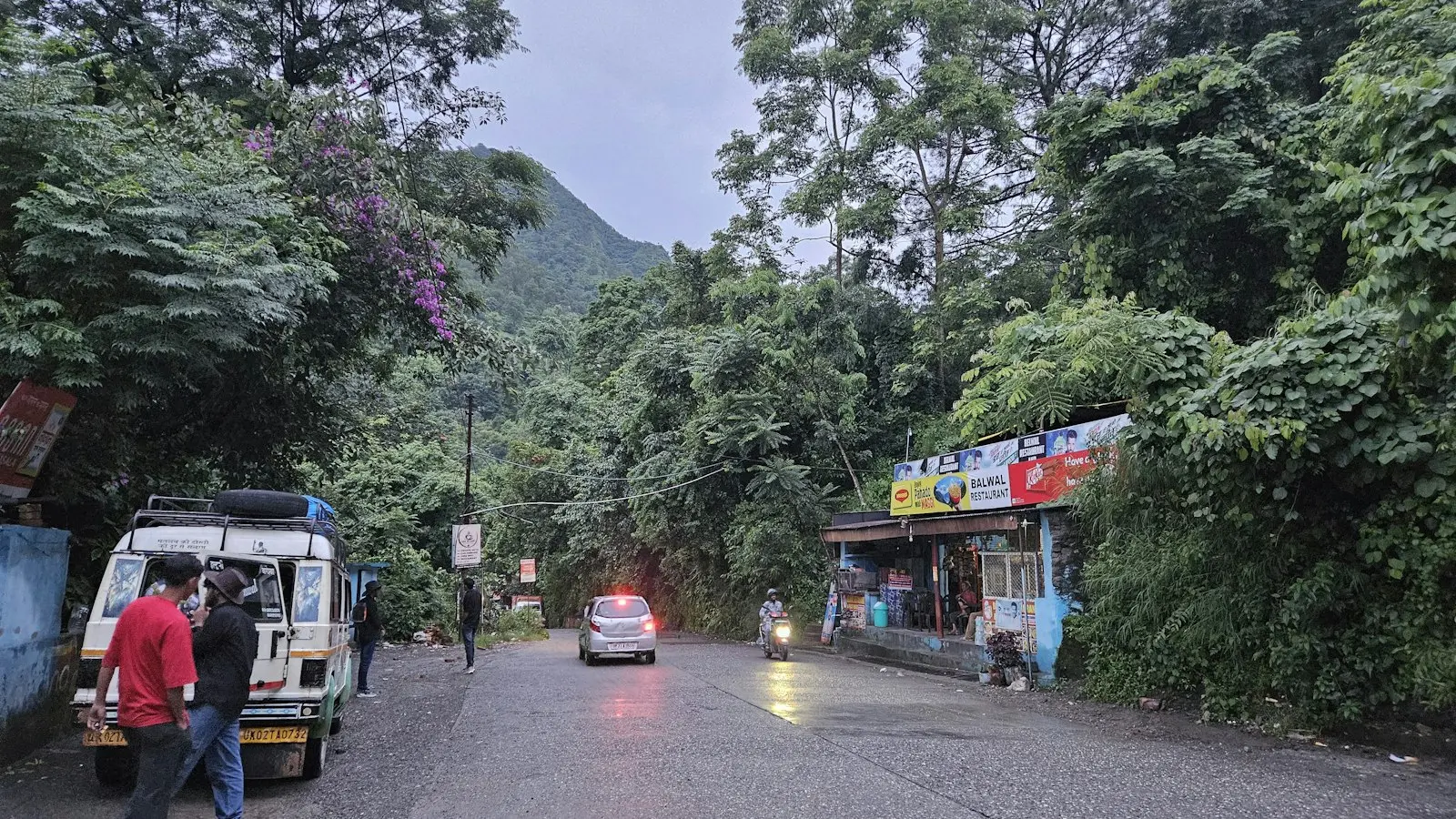
Long motorcycle rides reduce fatigue safely when you plan around alertness and recovery rather than maximum mileage. Build in flexible breaks, protect your sleep, manage heat and fluids, eat before you feel depleted, and stop immediately if judgment, balance, or motorcycle control begins to deteriorate.
This matters even more on a solo journey. You are managing navigation, traffic, weather, fuel, route changes, and every riding decision without another person noticing that you are becoming impaired. No itinerary, deadline, or arrival time is worth continuing when your attention or control is compromised.
Key Takeaways
- Plan riding days around recovery, fuel, food, weather, and unexpected delays—not maximum mileage.
- Take breaks before severe fatigue develops, and use each stop to leave the saddle, assess alertness, and reset.
- Treat hydration, regular food, sleep, heat management, and ergonomic adjustments as fatigue-reduction measures, not substitutes for rest.
- Stop riding immediately when you notice heavy eyelids, missed turns, delayed reactions, poor lane control, confusion, dizziness, or other signs of impairment.
Why Motorcycle Ride Fatigue Builds Faster Than Expected
Motorcycle ride fatigue is more than sore muscles after exercise. Riding combines physical strain with continuous visual scanning, balance control, route planning, hazard assessment, and rapid decision-making. Even when the road appears easy, the brain is processing lane position, speed, surfaces, vehicles, signs, mirrors, wind, and possible hazards.
Unfamiliar roads increase the workload because fewer decisions are automatic. Heavy traffic requires constant prediction of what other road users may do. Rain, strong wind, glare, cold, heat, and poor visibility add further demands. A monotonous highway can also be tiring because reduced stimulation may encourage wandering attention and drowsiness.
Physical discomfort contributes to the same problem. A tight grip, bent wrists, restricted hips, poorly positioned controls, wind pressure, vibration, noise, and an ill-fitting helmet can gradually consume attention. Pain may not stop a rider from operating the motorcycle, but it can leave less concentration available for unexpected events.
Sleep loss, dehydration, heat exposure, and missed meals create different kinds of fatigue from ordinary muscle soreness. Someone may feel physically capable of continuing while still having slower thinking, poorer judgment, or reduced awareness. Fatigue can also accumulate across several days; a reasonable first day does not guarantee that the same schedule will be safe on day three.
The key trade-off is attention reserve. An ambitious route leaves less capacity for a detour, sudden traffic change, mechanical problem, or weather shift. A shorter day with time to recover may be safer and more enjoyable than completing a longer route while mentally depleted.
Plan a Riding Day Around Recovery, Not Maximum Mileage
Start with a realistic route, not a distance target. Allow time for fuel, meals, water, navigation checks, stretching, traffic delays, photographs, road closures, and finding a safe place to stop. A route that looks manageable on a map may be demanding when it includes winding roads, frequent towns, elevation changes, unfamiliar signage, or difficult weather.
There is no single break interval that suits every rider. Break needs vary with sleep quality, heat, traffic, road complexity, health, experience, and the motorcycle itself. Plan stops before the point of severe tiredness, then shorten the intervals if you notice discomfort or declining attention.
A useful stop is more than refueling while remaining seated. Park somewhere safe, leave the saddle, walk carefully, move your shoulders and legs, drink appropriately, eat if needed, and assess whether you are genuinely alert. Check your route and equipment after giving yourself a brief mental reset. If you are still drowsy or unfocused, do not treat the stop as proof that you are ready to continue.
Before departure, use a simple readiness check:
- Did you get enough sleep to feel alert rather than merely functional?
- Are you ill, hungover, overheated, or recovering from a demanding previous day?
- Could any medication cause drowsiness, blurred vision, slowed reactions, or impaired coordination?
- Are the forecast, clothing, protective equipment, and motorcycle condition appropriate?
- Where are the realistic stopping points if the route becomes slower or more difficult?
Change the plan when conditions change. Poor sleep, extreme heat, heavy traffic, repeated navigation errors, or worsening weather are reasons to shorten the day, take a longer recovery period, or stop overnight. Flexibility is a central part of motorcycle travel safety, not a failure to complete the plan.
Use Fluids, Food, and Caffeine Without Masking Fatigue
Dehydration and heat can worsen headache, weakness, dizziness, irritability, and concentration problems. However, motorcycle hydration advice should not be reduced to a universal fluid quantity. Needs depend on temperature, clothing, exertion, access to water, sweating, and individual medical factors.
Drink regularly enough to avoid waiting until you feel markedly thirsty, particularly in hot or dry conditions. Use planned stops to obtain fluids rather than assuming you can ride indefinitely without stopping. If you have a medical condition affecting fluid or salt balance, or have received individualized fluid advice, follow your clinician’s guidance instead of a general travel rule.
Food also affects comfort and alertness. Waiting for pronounced hunger, shakiness, or weakness can leave you trying to recover while still riding. Consider manageable meals or snacks during planned stops, especially on long days. Familiar, practical foods that are easy to digest may be more useful than a large meal that leaves you sluggish or uncomfortable.
Caffeine may temporarily increase alertness for some people, but it is not a substitute for sleep. It can create a misleading sense of readiness while the underlying fatigue remains, and it may cause restlessness or delayed sleep later. If you need repeated stimulants to remain on the road, treat that as a reason to stop and recover, not as permission to extend the riding day.
Avoid alcohol and recreational drugs, and do not use unfamiliar medication to stay awake. Some prescription and over-the-counter medicines can impair alertness or coordination. Check warnings with a pharmacist or clinician before riding, particularly when starting a medicine or changing its dose.
Recover During Multi-Day Motorcycle Travel
Sleep is the foundation of solo travel recovery. A short roadside break, caffeine, food, or stretching may improve comfort, but none reliably replaces substantial sleep loss. If you are repeatedly yawning, struggling to keep your eyes open, or losing track of the road, stop riding and arrange proper rest.
Create an evening routine that protects sleep instead of extending the day with avoidable tasks. After arriving, rehydrate appropriately, eat a practical meal, inspect the motorcycle, prepare the next route, and set out clothing and equipment. Keep this process efficient so navigation preparation and maintenance do not push bedtime later than planned.
Lodging conditions matter. Excessive heat, noise, poor ventilation, discomfort, or interrupted sleep can leave you less recovered than expected. When possible, allow time to cool down after a hot ride, use a quiet sleeping environment, and reassess how you feel after waking rather than automatically following the original itinerary.
Ergonomics can reduce strain but cannot make impaired riding safe. Aim for a neutral posture, relaxed shoulders, and a light grip rather than holding the controls tightly. Controls and levers should be positioned so your wrists are not forced into an awkward angle, and protective equipment should fit securely without creating pressure points or restricting movement.
Move during stops instead of remaining in the same riding position all day. Gentle walking and comfortable movement may reduce stiffness, but stop if movement causes pain, dizziness, or unusual weakness. A more comfortable motorcycle setup can preserve attention by reducing distractions; it does not restore alertness after inadequate sleep.
Recognize the Stop-Riding Threshold
Stop as soon as you notice signs that attention or control is deteriorating. Warning signs include frequent yawning, heavy eyelids, wandering attention, missed turns, delayed reactions, poor lane position, difficulty remembering the previous section of road, irritability, or repeated simple mistakes.
Microsleeps, drifting across a lane, failing to notice signs, or realizing that you have traveled without remembering the last few minutes are especially serious. Do not try to overcome these signs by opening a visor, turning up music, riding faster, or relying on caffeine. They indicate that continuing may be unsafe.
Physical symptoms also require caution. Dizziness, unusual weakness, headache, nausea, cramps, faintness, confusion, or feeling overheated are reasons to stop in a safe place and assess your condition. Move away from traffic, seek shade or a cooler environment when overheated, and arrange help if recovery is not prompt or symptoms are worsening.
Confusion, fainting, severe or worsening weakness, breathing difficulty, chest pain, persistent vomiting, or suspected heat illness require urgent professional assessment. Do not attempt to diagnose the cause yourself or ride to a clinic if your balance, judgment, or control is affected. Contact emergency services or a local medical service as appropriate, and ask another person to help with transport.
If fatigue prevents you from finishing the route, treat that as a logistics problem rather than a personal failure. Stop at a safe location, notify a travel contact if possible, and arrange lodging, a taxi, a recovery service, or another form of transport. Change the route or leave the motorcycle secured if necessary. The safest ride is the one that ends before fatigue changes your ability to control the motorcycle.
FAQ Practical Questions About Long-Ride Fatigue
How often should I take breaks on a long motorcycle ride?
There is no universally safe interval. Plan regular stops before severe fatigue develops, then adapt them to sleep quality, heat, traffic, road complexity, weather, and your warning signs. A stop should include leaving the saddle, checking alertness, and deciding whether you are genuinely ready to continue.
Can caffeine make it safe to continue riding when I am tired?
Caffeine may provide temporary alertness for some people, but it does not replace sleep or reliably restore judgment, balance, or motorcycle control. It can also interfere with later sleep. If caffeine feels necessary to keep riding, stop and recover instead of extending the route.
What should I do if I become too fatigued to finish the planned route?
Stop in a safe place and do not negotiate with signs of impairment. Arrange lodging, transport, assistance from a travel contact, or a route change. If fatigue comes with confusion, faintness, severe weakness, breathing difficulty, chest pain, persistent vomiting, or suspected heat illness, seek urgent medical help rather than attempting to continue.
Safe long-distance riding is not a test of endurance. It is the ability to recognize changing conditions early, preserve enough attention for unexpected hazards, and make the conservative decision before fatigue becomes a control problem.