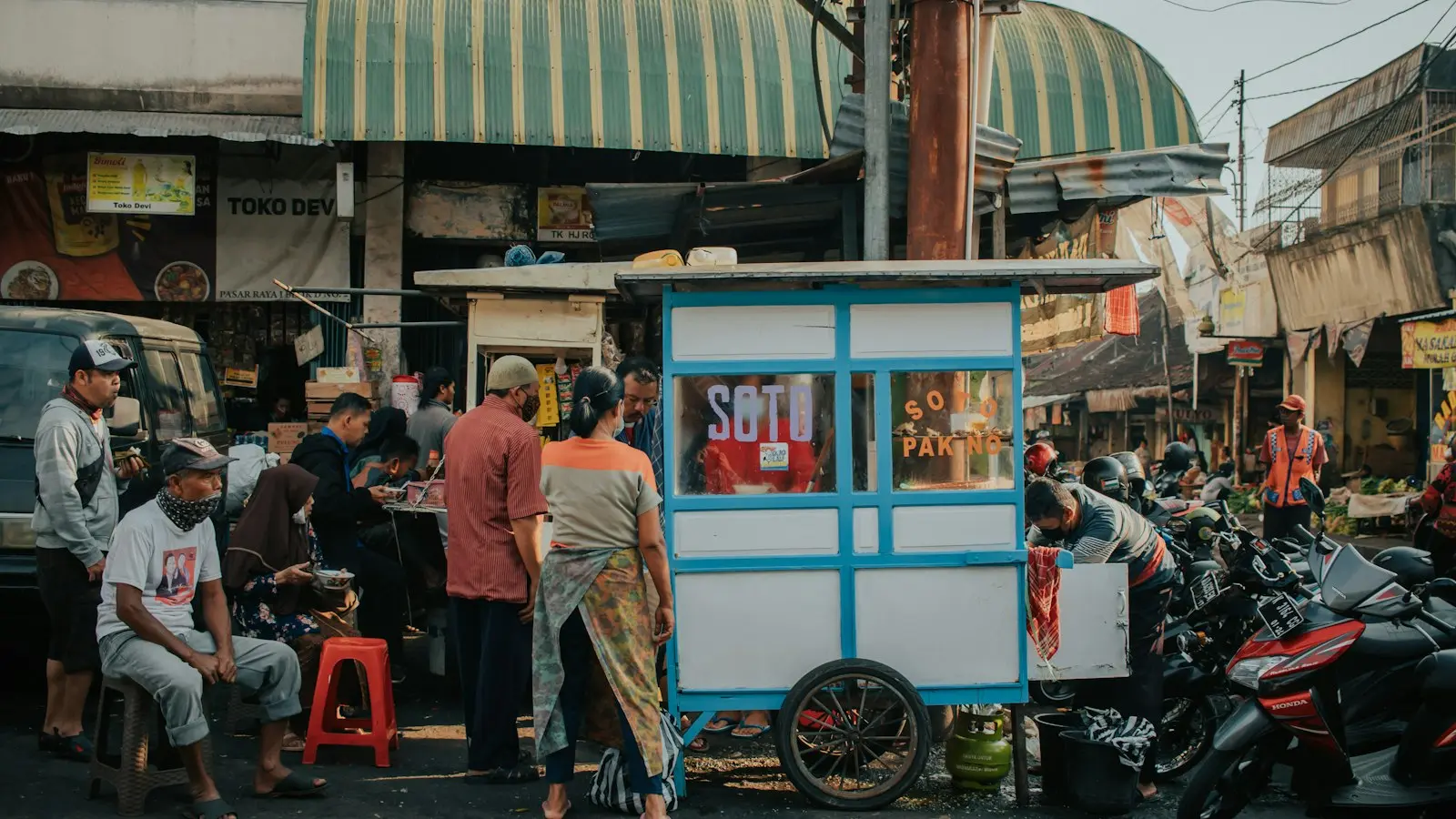
You can reduce the risk of stomach problems in Indonesia without avoiding Indonesian cuisine. The most useful approach is to manage exposure to unsafe water, undercooked food, poor temperature control, contaminated hands, and raw ingredients—while remembering that unfamiliar spice, heat, alcohol, rich meals, stress, or changed eating times can also cause temporary digestive discomfort without food poisoning.
Your strategy should match your itinerary. A stay in a major city or established tourist area may offer easier access to clinics, pharmacies, treated water, and translation support than travel between smaller or remote islands. Before departure, prepare for both prevention and a simple response plan if diarrhea or vomiting begins.
Key Takeaways
- Choose reliable drinking water, be cautious with ice and raw ingredients, and favor food that is thoroughly cooked and served hot.
- Judge food safety by cooking, storage, turnover, water, utensils, and hand hygiene—not by whether a place looks expensive or polished.
- Local food is not automatically unsafe, and unfamiliar spice or rich meals can cause discomfort without an infection.
- Pack oral rehydration solution and know how to recognize dehydration and other warning signs.
- Seek medical advice promptly for blood in the stool, high fever, severe pain, repeated vomiting, confusion, or worsening dehydration.
Prepare Before You Leave
Check current Indonesia-specific travel-health advice from an authoritative government or travel-medicine service before leaving. A clinician or travel-medicine consultation is particularly useful if you are pregnant, traveling with children, have an immune condition or chronic illness, take regular medicines, or will spend time far from medical care.
Ask whether routine vaccinations are up to date and whether hepatitis A, typhoid, or other itinerary-specific measures are appropriate. Vaccination can reduce the risk of certain infections, but it does not make every food or water source safe and does not prevent every cause of travel diarrhea.
Pack oral rehydration solution sachets, hand sanitizer, regular medicines, and a small supply of foods you know you tolerate. Use oral rehydration products according to their package instructions rather than assuming that a sports drink is equivalent. If you plan to carry an anti-diarrheal medicine, ask a pharmacist or clinician whether it is suitable for you and how it should be used.
Think through where you would obtain medical help. Travel between Bali, Java, Sumatra, Lombok, and smaller islands can involve long transfers, limited transport schedules, or fewer clinics and pharmacies. Save accommodation details, travel insurance information, emergency contacts, and a way to communicate your symptoms before you need them.
Choose Food and Water More Strategically
For safer food and water in Indonesia, start with drinking water from a sealed commercial container or a reliably treated source. Current local conditions may differ by destination, so do not assume that tap water, refill stations, or filtered water are equally reliable everywhere. If you are uncertain, use a trusted treated source for drinking and ask your accommodation how its water is treated.
Brushing your teeth can also involve small amounts of water. Where tap water is not considered reliable for drinking, use a dependable treated source for brushing as well. Keep the bottle opening from touching potentially dirty surfaces, and remember that a sealed bottle is useful only if it was genuinely sealed and stored appropriately.
Ice is not automatically safe or unsafe. The key questions are the water source and how the ice was made, transported, and stored. Commercially produced ice or ice made from reliably treated water may be lower risk, while ice of uncertain origin creates another possible exposure route. When you cannot establish the source, skipping ice is a reasonable temporary precaution.
Favor food that is thoroughly cooked and served hot. Temperature and holding time matter more than whether food comes from a street stall, market, café, or hotel. Be more cautious with meat, seafood, eggs, and other perishable foods that are raw, undercooked, or have been sitting at room temperature for an extended period.
Raw garnishes, salads, cut fruit, sauces, and dairy products require more judgment. Consider whether produce has been washed with safe water, whether fruit can be peeled, whether sauces are freshly prepared, and whether perishable ingredients have been kept cold. A whole banana or orange that you peel yourself generally involves fewer handling steps than cut fruit displayed in an open container, although no choice guarantees safety.
If you are not used to chili, coconut-rich dishes, fried foods, or large meals, introduce them gradually. A burning sensation, bloating, or looser stool after a very spicy or rich meal may reflect digestive adjustment rather than infection. Alcohol, dehydration, heat, and disrupted sleep can add to the problem.
Judge Hygiene Without Relying on Appearance Alone
A clean-looking restaurant is not proof that every food-safety step is being followed, and a modest-looking stall is not automatically dangerous. Instead of judging by decoration, price, or popularity, look for practical signals that reduce contamination and temperature-control risks.
Useful signs include high turnover, food cooked to order, hot food kept genuinely hot, cold ingredients kept cold, separate handling of raw and cooked items, clean utensils, handwashing, protection from insects and dust, and limited unnecessary contact with ready-to-eat food. If the same tongs or cutting board are used for raw meat and cooked food, that is a more meaningful concern than whether the stall looks polished.
High turnover can help because food is less likely to remain for an extended period, but it is not a guarantee. A busy vendor can still have unsafe water, poor hand hygiene, or cross-contamination. Similarly, a quiet restaurant may be safe if ingredients are stored correctly and meals are cooked thoroughly, but low turnover can increase concern about prepared food sitting too long.
Wash or sanitize your hands before eating and after using toilets, public transport, or shared surfaces. Hand sanitizer is helpful when soap and clean water are unavailable, but it may not work equally well against every cause of gastrointestinal illness and does not replace washing when hands are visibly dirty.
When moving between islands or climates, reassess the situation rather than relying on an earlier assumption. Transport time, heat, refrigeration, water reliability, and kitchen facilities can change substantially from one destination to another.
Respond Safely When Symptoms Begin
If diarrhea or vomiting starts, prioritize fluids, electrolytes, and rest. Oral rehydration solution is designed to replace water and salts lost through diarrhea or vomiting; prepare and use it exactly as directed on the packet. Take frequent small sips if drinking a large amount causes more nausea. If you cannot keep fluids down, seek medical advice promptly.
During recovery, choose small portions of foods that you personally tolerate. Plain rice, bananas, toast, crackers, soup, noodles, potatoes, or simply prepared foods may be easier for some people, but there is no universal diet that cures diarrhea. Eat when able, avoid forcing large meals, and temporarily limit alcohol and foods that clearly worsen symptoms, such as very fatty or spicy dishes.
An over-the-counter medicine such as loperamide may provide short-term control for some adults with uncomplicated diarrhea, particularly when a long journey makes repeated bowel movements difficult. It is not appropriate for everyone, and product labeling, age, pregnancy, medical history, and medication interactions matter. Ask a pharmacist or clinician if you are unsure.
Do not use an anti-diarrheal medicine as a substitute for evaluation when there is blood or black stool, high fever, severe abdominal pain, marked illness, or concern about an invasive infection. Children, pregnant travelers, older adults, and people with significant health conditions should receive individualized advice rather than relying on general self-treatment guidance.
Antibiotics should not be started casually or shared with another traveler. Whether they are useful depends on the likely cause, symptom severity, personal health factors, local resistance patterns, and current clinical guidance. Preventive antibiotics are not a substitute for food and water precautions and can cause side effects or complicate later evaluation.
Monitor your fluid intake, urination, fever, vomiting, stool changes, and overall strength. This is especially important if you are traveling between islands, where a delay in transport can make a worsening illness harder to manage.
Know When to Seek Medical Care
Seek prompt medical assessment for blood or black stool, high or persistent fever, severe or worsening abdominal pain, repeated vomiting, confusion, fainting, inability to drink, very little urination, severe weakness, or other signs of significant dehydration. These symptoms can indicate an illness that needs more than rest and fluids.
Arrange professional advice if diarrhea is prolonged, worsening, or not improving within the timeframe recommended by current travel-health guidance. Seek help earlier for young children, older adults, pregnant travelers, people with immune suppression, or anyone with a chronic condition that makes dehydration more dangerous.
Do not assume that a pharmacy can provide the same assessment or medicines in every location. Major urban centers and established tourist areas may offer more options than remote islands, where transport, clinic hours, language support, and diagnostic services can be limited. If symptoms begin while you are remote, contact accommodation staff, a reputable clinic, your travel insurer, or an emergency service before your condition becomes severe.
The goal is not to eliminate every uncertainty. It is to reduce the most preventable exposures, recognize early dehydration, and know when professional care is needed.
Frequently Asked Questions
Is street food in Indonesia always unsafe?
No. Location alone does not determine safety. A street vendor may offer food cooked thoroughly and served immediately, while an expensive restaurant can still have problems with water, storage, or cross-contamination. Look at cooking temperature, turnover, raw ingredients, utensil handling, hand hygiene, and protection from heat, insects, and dust.
Can bottled water and avoiding ice prevent travel diarrhea?
They can reduce some water-related exposure, but they cannot remove every risk. Food handling, raw ingredients, contaminated hands, surfaces, and person-to-person spread can still cause illness. Bottled water is most useful when it comes from a genuinely sealed container and is handled appropriately; it is not a complete guarantee.
What should I eat while traveling if I develop diarrhea?
Start with small portions of simple foods you tolerate, along with oral rehydration solution and other suitable fluids. Rice, bananas, toast, crackers, soup, noodles, or potatoes may be reasonable options. There is no need to force food, and no single food cures an infection. Avoid alcohol and temporarily reduce foods that clearly aggravate your symptoms.
What should I do if I get diarrhea while traveling between Indonesian islands?
Begin oral rehydration promptly, rest, and monitor urination, vomiting, fever, stool changes, and weakness. Use an over-the-counter medicine only if it is appropriate for your symptoms and personal situation. Contact a clinician early if you are far from care, cannot keep fluids down, have blood in the stool or high fever, or are becoming weak or confused. On remote islands, arrange help and transport sooner rather than waiting for severe dehydration.
How can I prevent stomach problems in Indonesia without missing local food?
Use a risk-reduction approach: choose thoroughly cooked food served hot, be selective with raw ingredients and ice, use reliable drinking water, clean your hands, and introduce very rich or spicy meals gradually. This allows you to enjoy local cuisine while avoiding the highest-risk situations rather than following an unnecessarily rigid list of forbidden foods.