Stiff legs on a scenic driving day are often easier to prevent when you set up the car well, build safe movement stops into the route, and respond before discomfort becomes intense. These habits can improve comfort, but they do not guarantee prevention of blood clots or replace medical care.
Key Takeaways
- Scenic routes can still create long cumulative periods of sitting, even when the day includes viewpoints, meals, and short walks.
- Set the driver’s seat for full pedal control with a comfortable bend in the knees; avoid overreaching, deep reclining, and slouching.
- Plan safe stops around fuel, restrooms, food, or attractions so standing and walking are part of the itinerary.
- Treat new one-sided swelling, significant leg pain, warmth, or discoloration as symptoms needing urgent medical assessment.
- Chest pain, sudden shortness of breath, coughing blood, fainting, or a rapid heartbeat require emergency help.
Why scenic driving days can leave legs stiff, even with frequent stops
A sightseeing day can look active on paper while still involving long spells of sitting. Several short drives can run together, and a stop may involve sitting for lunch, waiting in a queue, or returning quickly to the car rather than changing position for long.
Sitting keeps the hips and knees bent and reduces normal changes in muscle activity. As a result, calves, thighs, hip flexors, and the lower back may feel tight when you stand. A cramped seat position, slouching, reaching for pedals, or sitting in a deeply reclined position can add to driver back pain and leg discomfort.
Heat, restrictive clothing, unfamiliar footwear, and an overly tight schedule can make the problem more noticeable. Mild stiffness that eases after safely standing and walking can happen after prolonged sitting. Symptoms that are unusual, persistent, worsening, or severe deserve more caution.
The practical goal is to create regular opportunities for comfort and movement without treating road trip leg stretches as medical treatment.
Set up the car before departure to reduce leg, hip, and back strain
Car seat posture should support safe vehicle control first. A position that feels relaxed while parked may become tiring if it makes you stretch for the pedals, lock your knees, lean away from the backrest, or strain to see the road clearly.
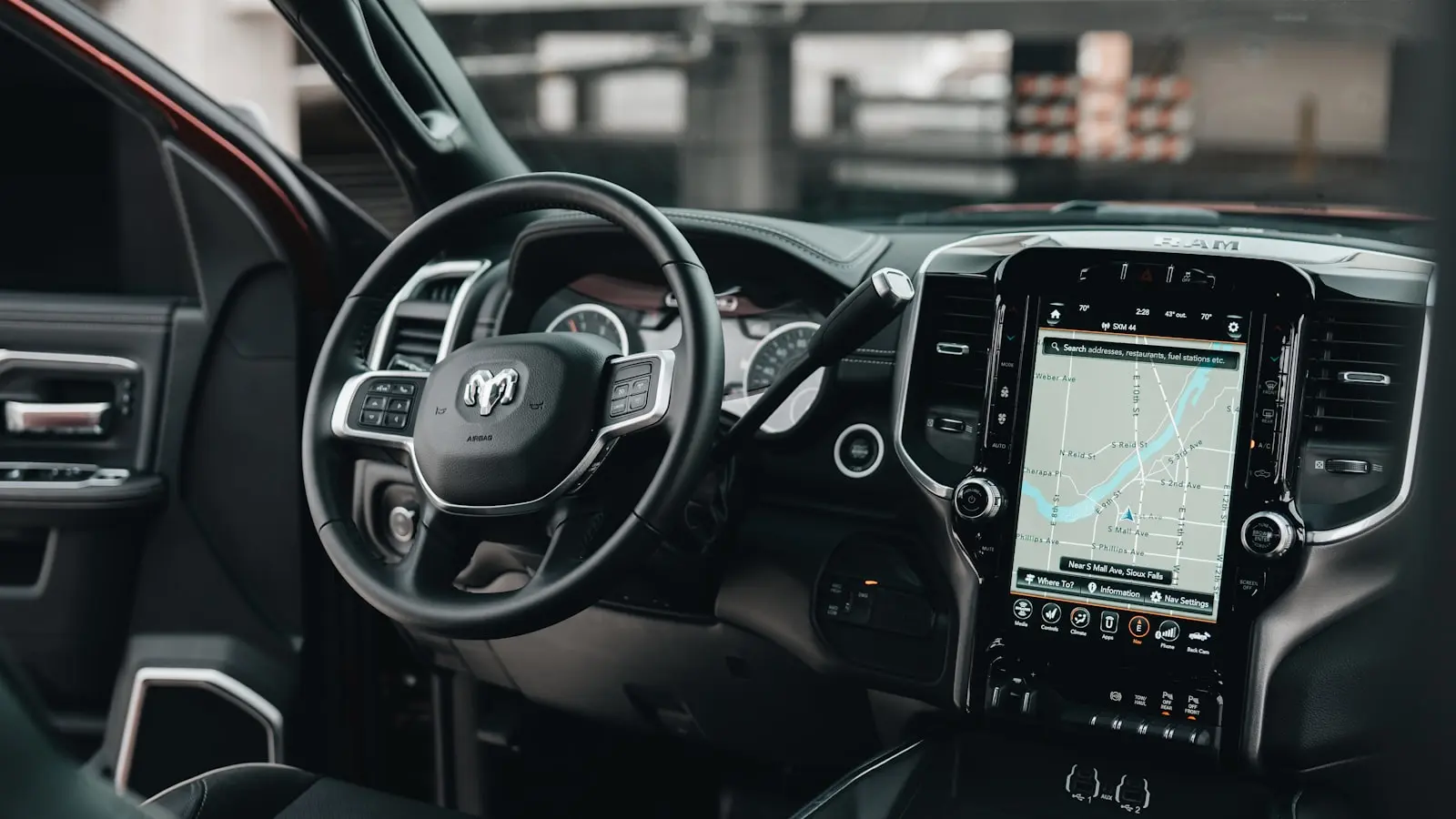
For drivers, adjust seat distance so you can fully operate every pedal without reaching through the hip or straightening the knee completely. Keep a small, comfortable bend in the knees. Sitting too close can also be uncomfortable if it restricts thigh movement or leaves the legs feeling compressed.
Adjust seat height and angle so you can see clearly and your thighs are supported without pressure behind the knees. Set the backrest for an upright, supported posture rather than a deep recline. You should be able to reach the steering wheel without leaning forward or lifting your shoulders away from the seat.
Position the head restraint according to the vehicle manual. If lumbar support improves comfort, use only enough to support the lower back; too much can push you forward and change steering reach. Make all adjustments before driving, never while the vehicle is moving.
Passengers also need space to change position safely. Keep bags from crowding the footwell or trapping the legs, and leave room to shift the hips or straighten the knees when parked. Passenger movement should never obstruct the driver, vehicle controls, mirrors, doors, or safe exits.
Use this pre-drive checklist:
- Adjust the driver’s seat, steering-wheel reach, mirrors, and head restraint before departure.
- Confirm full pedal control without overreaching or locked knees.
- Choose loose, nonbinding clothing that remains comfortable while seated.
- Wear footwear that is stable for walking and suitable for safe pedal operation.
- Keep water accessible for stops rather than creating a distraction while driving.
- Identify realistic places for fuel, restrooms, food, viewpoints, or short walks.
Vehicle designs, injuries, mobility limitations, and individual comfort needs vary. Follow the vehicle manual, and seek individualized guidance if pain or restricted movement makes a standard driving position difficult.
Use a realistic movement plan during long driving days
The best break plan is one you will actually follow. Build stops around places already on the route, such as fuel stations, restrooms, cafés, viewpoints, or a brief walk through a town. This is more practical than waiting until your legs and back are already very uncomfortable.
There is no single break schedule that suits every traveler or route. Instead, avoid treating the day as one uninterrupted drive when safe, legal stopping places are available. If services are limited, identify suitable stopping points before the day begins.
Never stretch, make major seat adjustments, remove footwear, or exercise while driving. Stop only where it is legal and safe, park fully, and check for traffic, cyclists, uneven ground, and door hazards before moving around the vehicle.
At a safe stop, simple standing movements can help interrupt a long seated period. Keep every movement controlled and within a pain-free range:
- Walk for a few minutes at an easy pace.
- Gently bend and straighten each knee while standing securely.
- Do slow calf raises while holding a stable support if balance is a concern.
- Shift weight gradually from one foot to the other.
- Take a few easy steps forward and back or gently change stance to move the hips.
- Roll the shoulders and stand tall to counter a rounded driving posture.
These road trip leg stretches are comfort measures, not treatment. They may help you feel less stiff after sitting, but they do not treat unexplained swelling or significant pain and should not be viewed as a guaranteed way to prevent blood clots.
Passengers can change position or gently move their ankles while seated if doing so does not interfere with safety or distract the driver. For drivers, movement belongs at a stop, not behind the wheel.
A brief stop can still be worthwhile when a longer walk is impractical. Stand upright, use the restroom, refill water, check the route, and reset posture before continuing. Small, repeatable breaks often fit a sightseeing schedule better than saving all activity for the end of the day.
Support long-drive circulation and comfort with simple travel choices
Hydration is a useful comfort habit, especially in warm weather or on days that combine driving with walking. Keep water available and drink according to thirst and personal needs. Water alone should not be presented as a way to prevent blood clots or treat leg swelling.
Heat, alcohol, salty meals, and tight garments may make some travelers feel more swollen or uncomfortable. A simple response is usually enough: wear breathable layers, avoid clothing that digs into the waist or behind the knees, and allow time to cool down and change position at stops.
Footwear matters on scenic routes because driving may be followed by cobblestones, stairs, trails, or long walks. Choose shoes that feel stable and supportive for walking while still allowing reliable pedal control if you are driving. Do not drive in footwear that makes pedal use less secure.
Compression garments are more individualized. They may suit some travelers, but the appropriate type, fit, and use depend on personal health circumstances. People with circulation concerns, diabetes-related foot problems, significant swelling, pregnancy, a history of clots, or other medical conditions should ask a clinician whether compression is appropriate before relying on it.
Plan for what happens after the drive as well. If the itinerary includes extensive walking, alternate easy walks with seated breaks and shorten or change the route if discomfort is increasing. Pushing through worsening leg pain to complete an itinerary is not a sensible travel strategy.
Know when stiff legs may need urgent medical assessment
Ordinary post-sitting stiffness often feels like temporary tightness and may improve after you safely stand, walk, and change position. However, not every painful or swollen leg is routine travel discomfort. Do not assume a symptom is harmless simply because it began during or after a long drive.
Seek urgent medical assessment for new swelling in one leg, particularly if it occurs with warmth, redness or discoloration, notable calf or leg pain, or symptoms that persist or worsen. These symptoms can have several possible causes and need professional assessment rather than self-treatment with stretching, massage, hydration, or compression garments.
Chest pain, sudden shortness of breath, coughing blood, fainting, or a rapid heartbeat can be emergency symptoms. Seek emergency help immediately rather than continuing travel or attempting to drive yourself if you are unwell.
Some travelers may need individualized advice before a long trip because their risk profile differs from the average traveler. This may include people with a previous blood clot, recent surgery or hospitalization, reduced mobility, cancer, pregnancy or recent postpartum status, certain medications, or other risk factors identified by a clinician. This is not a complete checklist or a way to diagnose risk; it is a reason to seek personalized guidance.
Movement breaks do not replace prescribed medication, clinician-recommended precautions, or urgent evaluation. If you have an existing condition affecting circulation, pain, mobility, or swelling, plan travel around your healthcare professional’s advice.
FAQ
How often should you stop on a long drive to prevent stiff legs?
There is no single stop schedule that is medically right for everyone. Plan regular, safe chances to stand and walk briefly based on the route, weather, comfort, and individual health needs. Pairing movement with fuel, restrooms, food, or sightseeing stops makes the plan easier to maintain.
What are safe road trip leg stretches to do at a rest stop?
At a legally parked car, walk gently, bend and straighten the knees, do controlled calf raises with stable support if needed, shift your weight, and stand tall with relaxed shoulder rolls. Avoid deep stretches, bouncing, painful movements, or exercises on uneven ground. Do not stretch while operating the vehicle.
Can leg swelling after a long drive be a sign of a blood clot?
It can be, particularly when swelling is new and one-sided or occurs with warmth, redness or discoloration, significant pain, or symptoms that do not improve. Those symptoms can have more than one cause, but they should be assessed urgently. Chest pain, sudden breathlessness, coughing blood, fainting, or a rapid heartbeat require emergency help.