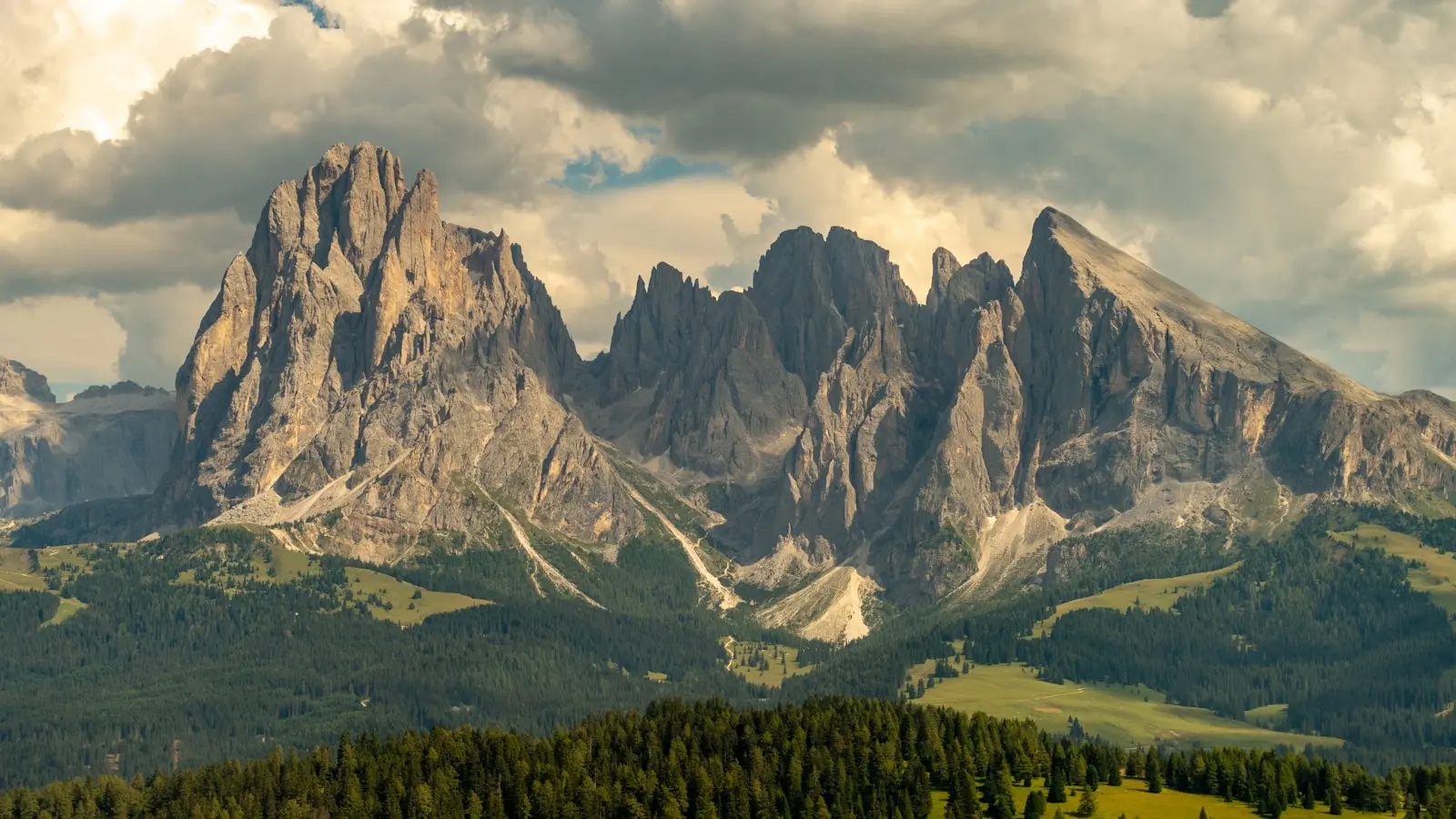
To prevent altitude sickness while hiking in the Dolomites, you need to ascend gradually, stay well hydrated, maintain a slow conversational pace, and consider medication if your itinerary forces rapid altitude gain. Altitude sickness, or acute mountain sickness (AMS), occurs when your body struggles to adapt to lower oxygen levels at higher elevations. While the Dolomites are not extreme altitudes compared to the Himalayas, many popular trails exceed 2,000 meters, and the typical approach from valley floors can trigger symptoms in susceptible hikers. This article explains the physiological mechanisms, gives practical prevention steps, and helps you decide when medical intervention like Diamox is warranted.
Key Takeaways:
- Ascend gradually: avoid sleeping more than 500m higher per day above 3,000m; for Dolomites, pace yourself to limit daily vertical gain to under 1,000m.
- Stay hydrated (2-4 liters per day) and prioritize high-carb meals; avoid alcohol and sedatives.
- Consider Diamox (acetazolamide) if you have a history of altitude sickness or rapid ascent is unavoidable; consult a doctor before use.
- Recognize early AMS symptoms: headache plus nausea, dizziness, or fatigue; if they worsen, descend immediately.
- Physical fitness does not prevent altitude sickness; rate of ascent and individual susceptibility are key.
Understanding Altitude Sickness: Why It Happens and Who Is at Risk
Altitude sickness results from reduced partial pressure of oxygen at higher elevations. As you climb, the air becomes thinner, and your body must work harder to oxygenate your tissues. Most people adapt over time, but if you ascend too quickly, the compensatory mechanisms can’t keep up, leading to symptoms.
The primary risk factors are the rate of ascent and individual susceptibility. Genetics play a role—some people are naturally more prone to AMS—but overall fitness does not protect you. In fact, physically fit individuals sometimes ascend faster and exceed their body’s adaptation rate, paradoxically increasing their risk. Milder forms of AMS cause headache, nausea, fatigue, and sleep disturbance. Severe forms—high-altitude cerebral edema (HACE) and high-altitude pulmonary edema (HAPE)—are rare but serious and require immediate descent and medical attention.
Dolomites Altitude Profile: What to Expect on Popular Trails
The Dolomites offer stunning hikes that typically range between 2,000 and 2,750 meters. For example, the iconic Tre Cime di Lavaredo loop sits at about 2,300–2,400 meters. Mount Lagazuoi reaches 2,752 meters. Many rifugios (mountain huts) are perched above 2,400 meters. The challenge is that many visitors start from valley towns such as Auronzo di Cadore at around 870 meters and may reach these passes within a single day.
The threshold for AMS is generally considered above 2,500 meters, but some individuals notice symptoms above 2,000 meters. The rapid gain from 870 m to over 2,000 m in one day can cause symptoms even at moderate altitudes. A typical 4-day itinerary based in Auronzo often includes day hikes that climb 1,000–1,500 vertical meters. Without proper acclimatization, this profile increases the likelihood of AMS.
Step-by-Step Prevention: Pacing, Hydration, and Diet
Prevention revolves around controlled ascent, adequate hydration, and proper nutrition. The widely recommended rule for high altitude (above 3,000 m) is not to increase your sleeping altitude by more than 500 meters per day. For the Dolomites, where sleeping altitudes are generally below 3,000 m, the principle of going slow still applies: avoid big jumps in elevation within a single day.
- Pacing: Adopt a conversational pace. If you are breathing so hard that you cannot speak comfortably, slow down. Take regular breaks—5–10 minutes every hour—to let your body catch up.
- Hydration: Drink 2–4 liters of water per day. This is a general guideline; individual needs vary. Urine color is a practical indicator—pale yellow suggests adequate hydration. Avoid overhydration, which can lead to hyponatremia.
- Diet: Favor high-carbohydrate meals (pasta, rice, grains) that are easier to metabolize at altitude. Avoid heavy, fatty foods and large meals before exertion. Alcohol and sedatives can worsen dehydration and sleep quality, so skip them until you are back at lower elevation.
- Acclimatization day: If your itinerary allows, spend one day doing a lower-altitude hike (e.g., around 1,500–1,800 m) before tackling a high pass. This gives your body time to adjust.
When to Consider Medication: The Role of Diamox (Acetazolamide)
Diamox (acetazolamide) is a prescription medication that speeds up acclimatization by stimulating your breathing, which helps your body adjust to lower oxygen levels. For moderate altitudes like the Dolomites (2,500–3,500 m), evidence suggests it can reduce the incidence and severity of AMS. However, it is not always necessary.
Consider Diamox if:
- You have had altitude sickness before.
- Your itinerary forces rapid ascent without time for acclimatization (e.g., flying into a high-altitude location and hiking the next day).
- You have certain medical conditions that impair breathing or circulation (consult your doctor).
Typical dosing is 125–250 mg twice daily, starting 24 hours before ascent and continuing for 48 hours at the highest elevation. Side effects include tingling fingers, altered taste, and increased urination. Most people tolerate it well, but it is not a substitute for gradual ascent. It masks symptoms but does not eliminate the need for caution. Always discuss with a healthcare provider before taking Diamox.
Recognizing Early Symptoms and Knowing When to Descend
Early AMS symptoms often include a headache plus at least one of the following: nausea, dizziness, fatigue, or difficulty sleeping. If you notice these signs, you should:
- Stop ascending.
- Rest at the same altitude.
- Hydrate and take an over-the-counter pain reliever for headache if needed.
If symptoms worsen or do not improve after a few hours, descend immediately. A drop of 300–500 meters usually provides relief. Signs that require urgent descent include confusion, loss of coordination (ataxia), shortness of breath at rest, or a persistent cough producing frothy sputum (possible HAPE). In the Dolomites, emergency number 112 connects to rescue services. Know the location of the nearest rifugio and the trail back down.
Practical Packing Checklist for Altitude Safety
Being prepared can make a difference. Pack these essentials for any Dolomites hike above 2,000 meters:
- Sun protection: SPF 50+ sunscreen, UV-protective sunglasses (reflection off snow can burn skin and eyes).
- Clothing layers: Base layer, insulating mid-layer, windproof/waterproof outer shell. Mountain weather can change rapidly.
- Hydration system: Water bottles or hydration bladder. Electrolyte tablets can help replace salts lost through sweating.
- Snacks: High-carb energy bars, nuts, dried fruit, or trail mix.
- Navigation: Physical map and compass or a charged GPS device. Mobile phone apps work but can fail if battery dies.
- First aid: Prescribed Diamox, ibuprofen or acetaminophen for headache, blister treatment, antiseptic wipes.
- Emergency items: Headlamp with fresh batteries, whistle, lightweight emergency blanket.
- Cell phone with emergency numbers: Dial 112 for any mountain rescue.
FAQ
Can I prevent altitude sickness just by being physically fit? No. Physical fitness does not prevent AMS. In fact, highly fit individuals sometimes ascend too quickly. The key factor is the rate of ascent, not your baseline fitness.
How fast can I ascend in the Dolomites to avoid AMS? A safe guideline is to not sleep more than 300–500 meters higher than the previous night when above 2,500 meters. For day hikes, keep the vertical gain under 1,000 meters per day and include rest breaks.
What is the best way to treat an altitude headache while hiking? Rest at your current altitude, hydrate, and take an over-the-counter pain reliever like ibuprofen or acetaminophen. If the headache persists or other symptoms appear, descend.