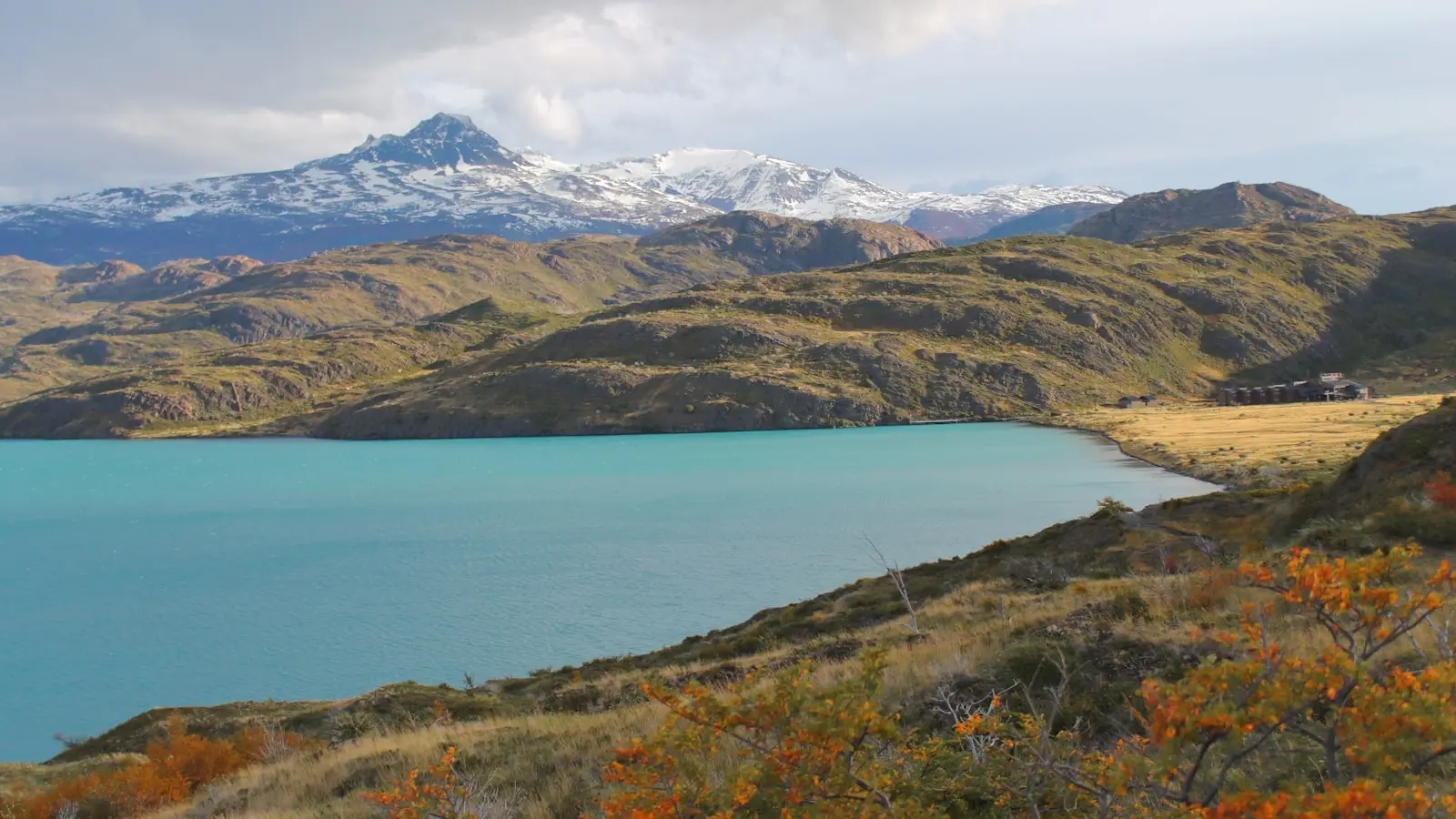
A successful Patagonia trip itinerary is built around sequencing, not a checklist. El Chaltén, glacier excursions and Argentina penguin viewing can fit into one trip, but they do not form an effortless loop. If Fitz Roy is the priority, protect hiking flexibility first; if penguins are essential, secure viable wildlife access and transport before shaping the mountain portion.
Key Takeaways
- Treat El Chaltén, glacier gateways and penguin colonies as separate travel blocks with meaningful transfer time between them.
- Schedule a priority Fitz Roy hike early enough to retain at least one fallback day before a fixed transfer.
- Place glacier excursions after the flexible hiking block when possible, unless transport or cancellation terms make another order more practical.
- Add penguin viewing only after checking current access arrangements, ethical visitor rules and the full transport commitment.
- When time is short, remove the least route-efficient extension rather than sacrificing every weather and transfer buffer.
The core trade-off is straightforward: every added region brings variety, but it also consumes recovery time, transport capacity and weather options. The strongest plan is often the one that leaves out one appealing extension rather than turning every second day into a luggage-and-connections day.
Start With the Route Map Rather Than the Highlight List
Treat a Patagonia trip itinerary as a set of travel corridors within a vast region. El Chaltén is a mountain-hiking base. Glacier experiences are tied to their own gateways and tour logistics. Penguin colonies are coastal wildlife destinations that can require another substantial change of direction.
Start with arrival and departure airports, not photographs or attraction lists. Confirm which domestic connections operate on your dates, whether an open-jaw route is practical, and where overnight stops are needed. A route that looks efficient on a map can become awkward once airport transfers, baggage limits, operating days and lodging check-ins are included.
There are two sensible planning models.
A hiking-first route gives El Chaltén the largest flexible block. Arrive, settle in, monitor conditions and attempt the highest-priority Fitz Roy hiking trip early enough to allow another chance. Add a glacier stop after the mountain block, then consider penguins only if the extension does not erase the route’s resilience.
A wildlife-first route works differently. If Argentina penguin viewing is the central reason for the trip, first establish whether responsible access is available during your travel period and whether the coastal transport pattern works. El Chaltén can then be built around those fixed wildlife dates rather than competing with them.
Neither approach is universally better. Choose based on what would be the greater disappointment to miss. If clear Fitz Roy views matter most, do not spend your hiking buffer on a distant coastal detour. If penguin viewing is the irreplaceable experience, do not leave it for the final unprotected day.
Build an El Chaltén Itinerary Around Weather Flexibility
The common mistake in an El Chaltén itinerary is assigning a signature hike to one named day and treating the plan as complete. Wind, cloud, precipitation, visibility and trail conditions can all change the value and difficulty of a route. A trail may remain possible while the viewpoint that motivated the hike is obscured.
For one must-do Fitz Roy-area day hike, place the attempt early in your stay and retain at least one usable fallback day before the next nonrefundable transfer. This does not guarantee favorable conditions; it simply prevents one forecast from deciding the entire mountain portion of the trip.
The right number of days depends on your objective rather than a generic itinerary template. A traveler content with one major walk and a shorter local outing needs less flexibility than someone pursuing several long routes, a sunrise start or a demanding point-to-point hike. Someone willing to miss a famous viewpoint may also reasonably choose fewer nights and more time elsewhere.
Think in usable hiking days, not hotel nights. Arrival day can be affected by delays, food shopping, gear organization and fatigue. Likewise, the day before a long bus or flight transfer should not automatically become the biggest objective, particularly when it requires an early start, a long descent and a rushed return to town.
Keep a low-commitment alternative available: a shorter walk, scenic recovery time, a gear check or simply room to move the major hike. That flexibility is not wasted time. It protects the experience you travelled furthest to have.
Before any trail day, check current guidance from the relevant park and local visitor authorities. Access arrangements, registration requirements, closures, route conditions and safety notices can change, and a fixed plan should never override current conditions.
Put Glacier Excursions Where They Do Not Steal Hiking Days
A Patagonia glacier tour often works best as a scheduled anchor after the flexible hiking block. That order prevents a fixed meeting time from consuming the only promising mountain-weather window. It also lets you complete the most weather-sensitive priority before moving into a more structured excursion day.
There are exceptions. Limited capacity, transport patterns, fixed departures or restrictive cancellation terms may force the glacier day earlier. When that happens, decide clearly what you are giving up: a hiking buffer, an overnight stop or another destination. Do not solve the conflict by stacking major commitments into consecutive high-pressure days.
Assess any glacier excursion with four questions:
- Does it require an early meeting point that effectively occupies the whole day?
- What happens if weather or operations lead to cancellation?
- Can it be rebooked within the route?
- Does it create a risky same-day airport, bus or lodging connection?
Some glacier visits are primarily viewing experiences, while more activity-intensive options may involve equipment procedures, fitness expectations, age limits, weather thresholds or tighter operational rules. Confirm those details directly with the operator before payment. A polished tour description is not a complete transport plan.
Whenever possible, separate arrival in the glacier gateway, the excursion itself and the onward airport or long-distance transfer. An extra night can feel inefficient on paper, but it can prevent one delayed arrival or altered tour timetable from disrupting several days.
Add Penguin Viewing as an Ethical Coastal Extension
Argentina penguin viewing deserves its own planning block, not a casual add-on. A colony visit depends on seasonal access, management rules, permitted visitor formats and how efficiently the coast connects with the rest of the route. Do not assume every Patagonia itinerary naturally passes a suitable wildlife site.
First, assess whether the destination fits your airport and ground-transport pattern. A colony requiring a major backtrack may be worthwhile for a wildlife-first trip, but less sensible for a short hiking holiday already tight on time. Next, establish whether visits are independent, guided, capacity-controlled or subject to particular access procedures.
Then judge the full time cost rather than the tour duration alone. An excursion that appears to take one afternoon may require a prior overnight, a set pickup location and another night before an early departure. The important question is not whether the tour itself fits; it is whether the entire coastal block fits without becoming a connection gamble.
Wildlife is never guaranteed. Presence, behavior, viewing quality and weather vary by location and year. December Patagonia travel can be a sensible period to investigate both hiking access and wildlife opportunities, but it should not be treated as a promise about trail conditions, colony access or sightings. Confirm current visitor guidance and operating arrangements before booking nonrefundable plans.
Ethics are part of itinerary quality. Follow designated paths and official instructions, keep the required distance and never feed or touch animals. Avoid operators that depend on crowding, close approaches, off-route access or disruption of wildlife. A less intimate encounter is often the better-managed one.
Use a Booking Ladder Instead of a Packed Daily Schedule
Book the most rigid elements first and leave the most weather-sensitive elements flexible. A useful order is:
- International and domestic flights, or other long-distance transport with few alternatives.
- Seasonal or capacity-controlled penguin access.
- Glacier excursions with restrictive cancellation or rebooking terms.
- Lodging in small gateway towns during busy periods.
- Individual hiking days and lower-rigidity local plans.
This approach recognizes that not all reservations have equal strategic value. A mountain day is often more valuable as an option than as a prepaid date. Conversely, a limited transport connection may determine whether the rest of the route is possible at all.
Use one hard rule: do not double-book a long transfer day with a demanding hike, glacier excursion, wildlife tour or tight onward connection. Delays do not need to be dramatic to cause problems. A late bus, slow baggage collection, poor road conditions or a changed pickup point can be enough.
Use this decision tree when the itinerary starts to grow:
- Do you have fewer than about a week on the ground? Choose El Chaltén plus one nearby glacier experience. Add penguins only if transport aligns unusually well and does not remove the hiking buffer.
- Do you have time for several transfer and contingency days? Create separate mountain, glacier and coastal blocks, with overnight stops between them.
- Is Fitz Roy non-negotiable? Protect El Chaltén first and treat the coastal extension as optional.
- Are penguins non-negotiable? Verify current access and visit requirements first, then build the hiking section around those fixed coastal dates.
- Are flights, tours or weather disrupted? Preserve the core priority and remove the least route-efficient extension. Do not compress every transfer to save every attraction.
Before departure, reconfirm transport schedules, baggage allowances, pickup locations, lodging check-in constraints, park guidance, tour cancellation terms and weather-dependent plans. Current operations can change, so rely on the relevant carrier, authority and operator rather than an old itinerary.
FAQ
How many days should I allow for an El Chaltén itinerary if Fitz Roy hiking is my priority?
Allow time for the hike itself plus at least one fallback opportunity before your next fixed transfer. Travelers attempting several major hikes, long-distance routes or sunrise objectives should protect more flexibility than those satisfied with one key day walk and a shorter alternative.
Can I combine a Patagonia glacier tour and Argentina penguin viewing without renting a car?
It may be possible, but it depends on the current airport, bus, tour and lodging connections for the specific gateways. Build the route around confirmed transport and overnight needs rather than assuming public connections will align on the same day.
Is December Patagonia travel a good time for hiking and penguin viewing?
December can be a sensible period to research both, but conditions and access vary by destination and year. Confirm current trail guidance, transport operations, wildlife access rules and operator availability before booking nonrefundable parts of the trip.