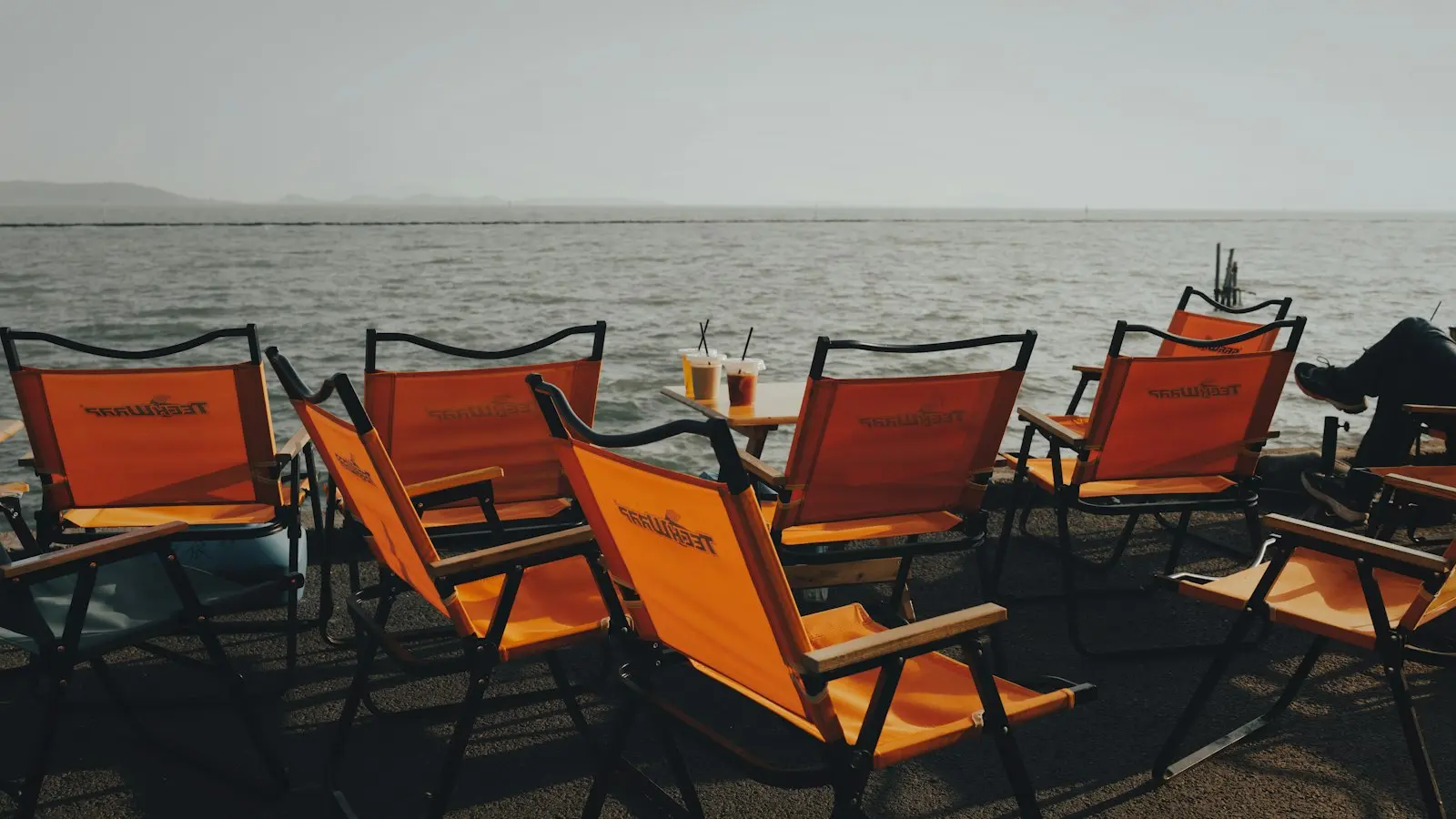
To plan a repeat vacation without recreating the same trip, change one or two meaningful variables rather than replacing everything. Stay in a different area, travel at another pace, use a new transport mode, or build the visit around food, craft, history, nature, or everyday local life. Keep one familiar favorite as an anchor, then leave enough open time for the destination to surprise you.
The advantage of returning is not simply knowing where the famous sights are. Familiarity removes some of the pressure to fit everything in, leaving more attention for details you missed the first time: a neighborhood at dusk, the rhythm of a market, a side street that was previously just a route between attractions, or the pleasure of sitting somewhere without needing to move on.
Key Takeaways
- Review the first trip by how it felt, not just by which landmarks you visited.
- Change one major variable, such as your base, transport, timing, or theme, instead of redesigning everything.
- Combine one meaningful anchor experience with flexible, area-based time.
- Use a theme to travel deeper while respecting access rules and residential or fragile places.
- Keep enough familiarity to make the return visit restorative rather than another logistical challenge.
1. Audit What the First Trip Actually Felt Like
Before building a second trip itinerary, review the first visit by experience rather than by landmark. A list of places visited can tell you what you completed, but not whether the trip felt rushed, over-planned, tiring, sociable, lonely, restorative, or unfinished.
Look back at each day and ask four practical questions: What did I enjoy more than expected? What did I rush? What did I skip because of time, weather, or energy? What would I willingly do again even if it were not new?
That last question matters. Repeat travel is sometimes treated as a failure of imagination, as though every holiday must move to a new point on the map. A favorite café, swimming spot, museum, walk, or meal can provide the emotional structure of a return visit. Familiarity may be what lets the rest of the trip feel exploratory.
Next, decide what you want the destination to give you this time. Your answer might be better food, a closer look at architecture, a coastal break, local craft, religious or civic history, nature, music, or a less performative sense of daily life. “See more” is not a useful aim. “Understand one neighborhood,” “eat more deliberately,” or “spend less time in transit” gives your planning a workable shape.
Separate genuine interest from travel obligation, too. If you have already seen the headline attraction and do not feel drawn back, you do not need to revisit it simply because it is considered essential. A return visit does not have to prove that you completed the destination correctly.
2. Change One Structural Variable at a Time
The simplest way to make a familiar destination feel new is to change its physical frame. Staying in a different neighborhood can alter the first and last hour of every day: where you buy breakfast, which streets you cross, what the evening sounds like, and whether you move through a commercial district, historic center, waterfront, or quieter edge.
A new base is not automatically better. Compare the benefit of local atmosphere with the cost of extra travel. A different area may place you closer to a theme you want to explore, but an inconvenient location can add daily transfers, steep walks, complicated connections, or expensive taxis. Check current transport routes, operating hours, accessibility information, and late-evening options before committing. Small details on a map can shape the mood of the entire trip.
If changing accommodation is impractical, use day trips or area-based days to create a different frame. You can also make the original base feel unfamiliar by setting out on foot, using public transit where practical, cycling where permitted and comfortable, or booking a guided option that provides context rather than simply moving you between photo stops.
Transport changes the scale at which you notice a place. Walking makes thresholds, shopfronts, slopes, gardens, and pauses visible. A bus or train gives you a broader sense of how districts connect. A bicycle can open a longer route, but it also introduces traffic, weather, terrain, storage, and confidence considerations. Choose the mode that supports your purpose, not the one that sounds most adventurous.
Time of day is another effective adjustment. A familiar square in the morning may feel like a working place rather than a sightseeing backdrop. A waterfront in late afternoon can have a different social rhythm from the same view at midday. Evening visits may be rewarding where opening hours, transport, local etiquette, and personal safety make them appropriate. Check current access and conditions rather than assuming a place is available because it was open on your first trip.
The trade-off is important: changing every variable at once can turn the second visit into a new logistical project. New accommodation, unfamiliar transport, a packed theme, early starts, and multiple reservations may leave no room for the relaxed feeling that made you want to return. Change enough to create contrast, but not so much that you lose the ease of familiarity.
3. Build a Flexible Second-Trip Itinerary
A strong repeat itinerary usually needs one anchor experience, not a full schedule. The anchor might be a museum you only partly saw, a landscape worth revisiting, a meal you remember, a performance, a workshop, or a place whose context you want to understand better. Choose it because it matters to you, not because it fills a gap in a guidebook checklist.
Pair that anchor with open-ended time nearby. After a museum, allow several hours for a market, café, park, bookshop, neighborhood walk, or locally listed event. After a coastal excursion, leave space for weather and energy rather than booking another distant attraction on the same day. The point is to create a day with a center and edges, not a chain of obligations.
Planning by area reduces unnecessary backtracking and encourages you to notice the spaces between major stops. Organize the second trip itinerary around two or three geographic zones, with each day having one main intention. This is often more revealing than attempting to cover the whole destination again.
A useful rhythm is one planned activity, one flexible block, and enough transition time to absorb delays. The flexible block is not wasted time. It is where you can return to a place that felt promising, follow an appropriate recommendation, wait out bad weather, rest, or observe how a district works without turning the moment into an achievement.
Build in practical slack. Current opening hours, reservation requirements, transport disruptions, seasonal conditions, closures, accessibility needs, and fatigue can all change the shape of a day. Check official venue and destination information close to departure, and avoid making the entire trip depend on one timed booking.
4. Go Deeper Through a Theme, Not a Checklist
A theme gives your return visit a question. Food might lead you from a market to a bakery, a regional dish, a cooking class, or a closer look at ingredients and seasonality. Architecture might connect a familiar monument with ordinary buildings, public spaces, religious sites, or materials used across different periods.
Other useful themes include craft, music, civic history, nature, literature, migration, local markets, or the relationship between a city and its coastline. The best theme is narrow enough to guide choices but broad enough to include unplanned discoveries. “History” may be too large; “how the port shaped the town” is more practical. “Food” becomes more useful when narrowed to breakfast traditions, seasonal produce, or neighborhood bakeries.
You can also revisit a familiar attraction with a new question. Instead of asking whether it is impressive, ask what you missed about its setting, who built or used it, how the surrounding district changed, or what ordinary life looked like beyond the official story. Current cultural programs, permitted tours, talks, exhibitions, and local events can provide additional context, but verify dates, access, and booking requirements through current official listings.
Be cautious with the language of “hidden gems.” Less famous does not mean available for unrestricted tourism. A quiet lane may be a residential street, a viewpoint may sit on private land, and a fragile natural or historic site may be vulnerable to repeated footfall. Avoid trespassing, blocking entrances, photographing private homes, or treating residents as scenery.
Respectful return travel means choosing places intended to receive visitors, following posted rules, supporting local businesses without demanding special treatment, and accepting that some discoveries should remain lightly held. Travel deeper does not require collecting the most obscure location. It can mean spending more time, paying closer attention, and leaving a place with less disruption.
5. Use a Practical Template for Planning a Repeat Vacation
Start with a one-page audit of the first trip. Write down what felt rushed, what you would repeat, what you skipped, and what you want more of. Then select one main purpose: a slower pace, a new neighborhood, a food theme, a cultural question, more nature, or ordinary daily atmosphere.
Choose one structural change to support that purpose. You might stay in a different area, use a different transport pattern, visit at another time of day, or organize the trip around a theme. Resist choosing all four. One clear change is often enough to alter the character of a familiar destination.
Keep one familiar favorite as an emotional anchor. Add two or three flexible experiences that can change with weather, energy, opening times, or local recommendations. Before departure, check current access rules, transport connections, reservation requirements, seasonal conditions, and accessibility information for anything essential.
Finally, review the plan for balance. Does it contain enough novelty to feel intentional? Does it retain enough familiarity to remain restorative? Can you remove one reservation without damaging the trip? If not, the itinerary may be too rigid.
The aim is not to manufacture a completely different destination. It is to give your attention a new direction. A second visit works when familiar parts provide confidence and changed parts create room to notice.
Frequently Asked Questions
How different should a second trip itinerary be?
Change one or two meaningful variables while keeping the places or rituals that made the first visit worthwhile. A completely different itinerary is optional, not required. The right amount of change depends on whether you are seeking rest, discovery, or a mixture of both.
What are good return travel ideas after seeing the main attractions?
Try a new neighborhood, a food or history theme, a different time of day, a current local event, or more unstructured time in an area you previously passed through. You can also revisit one major attraction with a specific question rather than repeating the same tour.
Should I stay in a different neighborhood on a second trip?
Often, yes, if the new base supports your purpose without creating excessive travel friction. Compare atmosphere, transport, accessibility, cost, and evening convenience. If the trade-offs are poor, keep your original base and explore a different area deliberately during the day.
How can I avoid tourist repetition without intruding on local communities?
Choose permitted, locally appropriate experiences; follow access rules; avoid residential or fragile places presented as attractions; and prioritize meaningful time over photographing increasingly obscure locations. A quieter experience is not automatically better if it imposes on people who live there.
How much structure should a repeat vacation include?
Use enough structure to protect the experiences that matter and enough open time for weather, fatigue, closures, and chance discoveries. One planned activity, one flexible block, and generous transition time is a useful starting point for slow travel planning.
What does it mean to travel deeper?
It means looking beyond headline attractions through a focused question or theme while paying attention to context and everyday life. It is less about finding secret places and more about observing familiar places carefully, supporting appropriate local businesses, and allowing a destination to unfold at a slower pace.