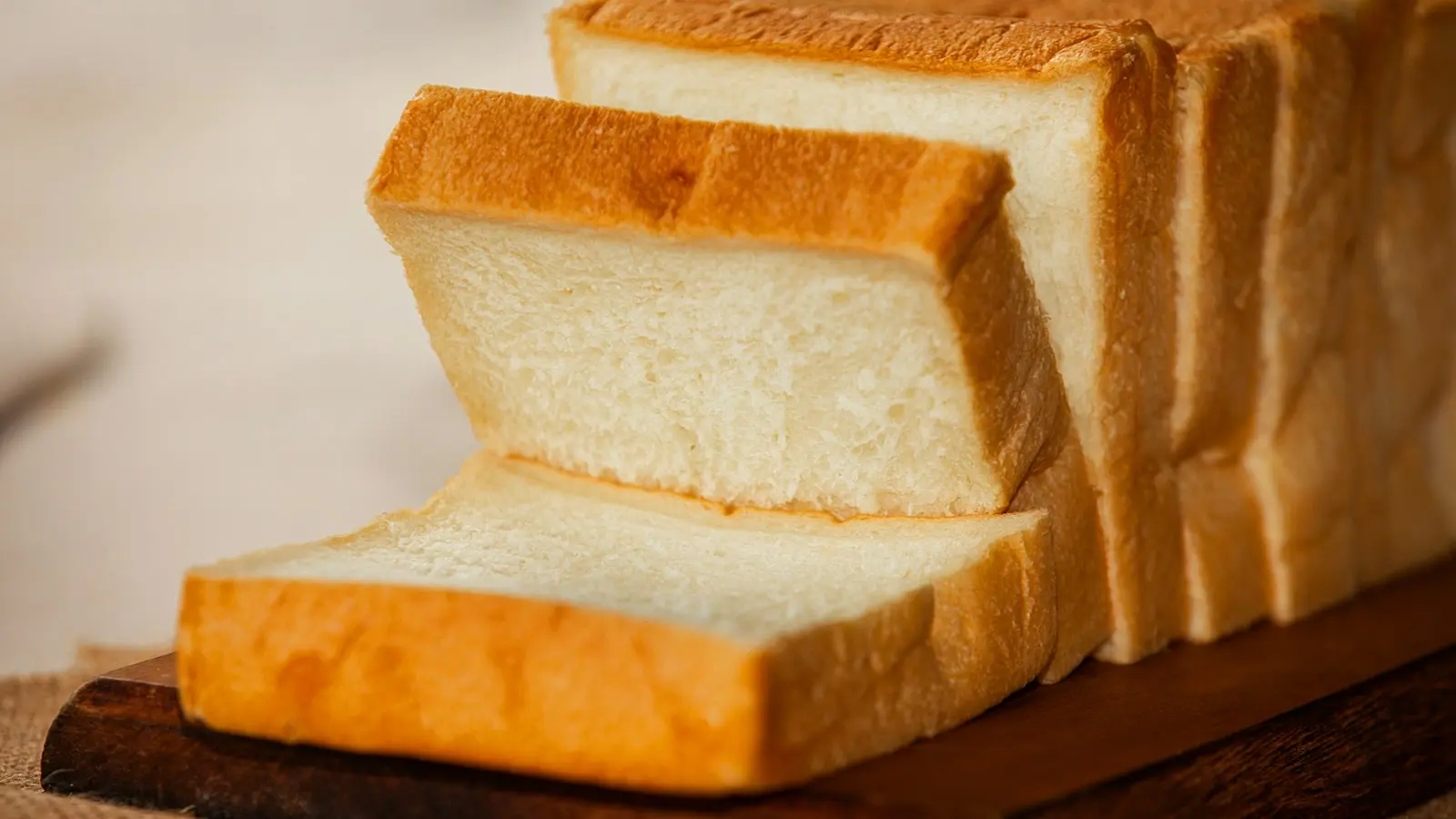
A reliable dense homemade bread fix starts with diagnosis, not automatically adding more yeast or kneading longer. A heavy loaf can result from excess flour, inactive yeast, cool dough, weak gluten development, underproofing, overproofing, incomplete baking, or slicing too soon.
The most useful approach is to inspect the baked loaf, remember how the dough behaved, and then change only one or two variables in the next batch. Flour type, hydration, enrichment, yeast format, and room temperature all affect what “light” bread should look and feel like.
Key Takeaways
- Weigh flour when possible, because excess flour can make dough too stiff to expand.
- Judge fermentation by dough volume and texture, not the clock alone; cool kitchens often need more time.
- Separate underproofing from overproofing by comparing expansion, strength, surface tension, and how easily the dough collapses.
- Kneading is not the only way to build structure; rests, folds, hydration, fermentation, and shaping matter too.
- Let bread cool fully before slicing, then change only one or two variables in the next batch.
Read the Crumb and Loaf for Clues
A tight, even crumb often points to dough that could not produce or retain enough gas. Too much flour, weak yeast, insufficient gluten development, or inadequate fermentation can all create this result. If the loaf is uniformly firm from crust to center, consider the dough and fermentation first rather than blaming the oven alone.
Large holes near the top with a tighter lower crumb may suggest uneven fermentation, shaping, or degassing. A gummy center can indicate underbaking, excess moisture, or slicing while the crumb was still setting. A collapsed top and fragile interior may be clues of overproofing or dough that lacked enough structure to hold its expansion.
The crust adds context. A thick, hard crust with a dense interior may reflect a bake that dried the outside before the center was fully done, though oven temperature, loaf size, and dough formulation also matter. A pale, firm loaf with little oven spring may have entered the oven before it had developed sufficient gas or structure.
These are clues, not verdicts. The same tight crumb can result from several overlapping problems. Start with three questions: How much did the dough expand? Did it feel elastic or weak? Was the baked loaf fully set before it was cut?
Also account for the style of bread. Whole-grain loaves generally have a closer, more substantial crumb than white-flour bread because bran and germ affect structure and water absorption. Enriched dough containing fat, sugar, eggs, or milk may ferment and bake more slowly while producing a tender rather than dramatically airy crumb. A dense loaf is not automatically a failed loaf if the recipe is designed to be hearty or soft.
Check Flour, Hydration, and Dough Consistency
Too much flour is one of the most common explanations for why homemade bread is dense. A stiff dough has less room to expand, and yeast may struggle to inflate a mass that has been made unnecessarily firm. This is especially easy to do when flour is scooped directly from a bag into a measuring cup, because the amount packed into that cup can vary considerably.
Weighing flour is the most repeatable option. If a recipe uses cups, avoid adding all the flour at once when the dough already looks structured. Hold back a small portion, mix thoroughly, and add more only if the dough genuinely needs it. The goal is not a dry dough that matches a photograph; it is a dough with the consistency appropriate to that recipe and flour.
A workable dough should usually feel cohesive and structured without being unnecessarily hard. Some doughs are tacky, and high-hydration doughs can remain sticky even when they are developing normally. Adding flour simply to make the surface more comfortable to handle may produce the very heaviness you are trying to avoid.
Water is not a universal correction, either. Adding more can help a dough that is genuinely too dry, but excess water without enough gluten strength, mixing, fermentation, or shaping may create a slack loaf that spreads rather than rises. Hydration has to be considered alongside the flour’s characteristics and the bread’s intended style.
Whole-grain flour absorbs water differently from refined white flour, and bran can interfere with the continuity of the gluten network. High-protein flour may tolerate more water and mixing than a softer flour, while enriched dough often needs more time to develop because fat can coat flour proteins and slow structure formation. Follow the recipe’s design rather than applying one texture standard to every loaf.
Verify Yeast Activity and Dough Temperature
Weak or inactive yeast commonly produces a loaf with little volume increase, a tight crumb, and limited oven spring. If the dough barely changes size despite enough time in a suitable environment, investigate yeast activity. Check the yeast’s date, storage conditions, and package directions rather than assuming the problem is proofing time alone.
Instant yeast, active dry yeast, and fresh yeast are not handled identically in every recipe or product. Some yeast can be mixed directly with the flour, while other instructions call for dispersing it in liquid first. Follow the directions for the specific yeast and recipe; do not assume that every type must be activated in warm water.
Water that is too hot can damage yeast, while very cold ingredients can slow fermentation. A cool kitchen may make a recipe’s stated timing misleading, particularly for dough containing whole grains, butter, eggs, or other ingredients that ferment more slowly. The answer is not necessarily to make the dough hot. A moderately warm, stable environment is generally easier to manage than a highly heated one.
Judge fermentation by the dough’s expansion and texture rather than the clock alone. A recipe may say that the first rise takes a certain number of minutes, but room temperature, ingredient temperature, yeast strength, dough size, and flour type can move that timing considerably. Marking the dough’s starting level on the container makes volume change easier to assess.
Improve Gluten Development, Shaping, and Surface Tension
Yeast creates gas, but gluten and the rest of the dough structure must retain it. Insufficient mixing, incomplete incorporation, or inadequate kneading can leave the dough unable to hold fermentation gases. The result may be a loaf that technically rose but still bakes up heavy because its bubbles escaped or never became evenly distributed.
Kneading is only one route to gluten development. Depending on the recipe, structure may develop through a rest period, a series of folds, conventional kneading, or a combination. A wetter dough may benefit from folds and time rather than an attempt to knead it until it feels like a firm dough. Whole-grain and enriched doughs may also need a different schedule from a basic white loaf.
As a cautious check, stretch a small piece of dough. Dough with developing structure generally stretches and holds together better than dough that tears immediately, but this test varies with flour, hydration, and recipe. A sticky dough is not automatically weak, and a smooth dough is not automatically ready.
Shaping determines whether the structure you developed survives. A loose shape may allow gas to escape or spread sideways, while aggressive shaping can press out too much accumulated gas. Aim for a coherent surface with some tension, using enough pressure to create a supported loaf without flattening it.
Separate Underproofing, Overproofing, and Baking Problems
Underproofing means the dough has not fermented or expanded enough before baking. Common clues include limited volume, a tight crumb, dense areas near the bottom, and dough that springs back quickly when gently pressed in some circumstances. The loaf may also show weak oven spring because it entered the oven before the internal gas structure was ready.
Overproofing presents differently, although the distinction is not always obvious. The dough may feel fragile, lose surface tension, deflate easily, or produce a loaf with a collapsed top and little oven spring. Once the structure has stretched beyond its ability to support itself, extra time will not make the loaf lighter.
The finger-poke test can help, but it is not universal. Results change with hydration, flour type, dough temperature, shaping, and whether you are testing the first rise or the final proof. Interpret the response alongside volume, surface tension, dough strength, and the recipe’s intended stage rather than treating one poke as an exact measurement.
A practical comparison is to look at the dough before baking. If it has barely expanded and feels tight, underproofing is more plausible. If it has expanded dramatically but looks delicate, wrinkled, or easily collapses, overproofing becomes more plausible. If it seemed well-developed but the baked center is gummy, investigate baking and cooling instead.
Incomplete baking can make a loaf seem dense even when fermentation was reasonable. Moisture may not have had enough time to set the crumb, especially in a large loaf or rich dough. Use the recipe’s recommended baking cues, including color, firmness, and shape, and where appropriate check the center with an accurate thermometer. Internal temperature guidance is recipe- and bread-dependent, so no single number applies to every loaf.
Let the bread cool before slicing. The crumb continues to set as the loaf loses heat, and cutting too soon can compress the interior and create a gummy appearance. Cooling cannot repair dough that was structurally dense before baking, but it can prevent a properly baked loaf from being misdiagnosed.
Make One Controlled Adjustment on the Next Batch
Use this simple decision path before changing the recipe:
- Very stiff dough and dense crumb: Weigh the flour, hold some back during mixing, and compare the dough with the recipe’s intended consistency.
- Little volume increase: Check yeast freshness, handling instructions, ingredient temperature, and the warmth of the room.
- Dough rises slowly in a cool kitchen: Allow more time and judge expansion rather than forcing the recipe’s stated schedule.
- Dough tears easily: Review mixing, resting, folding, and hydration before simply kneading longer.
- Loaf spreads or collapses: Examine proofing and shaping, especially whether the dough was overproofed or lacked surface tension.
- Gummy middle: Review bake completion, loaf size, moisture, and cooling time before adjusting yeast.
Record the flour weight, yeast type, approximate dough temperature, room temperature, mixing method, first-rise duration, final-proof expansion, baking time, and cooling time. This turns a disappointing loaf into useful information.
For the next batch, change only one or two variables. If flour measurement is uncertain, weigh it and keep everything else the same. If the dough was clearly cool and slow, provide a moderately warmer environment or allow more fermentation time, but do not simultaneously add yeast, change the water, and extend the proof.
For whole-grain bread, compare the result against another whole-grain loaf rather than expecting the open crumb of white bread. For enriched bread, allow for slower development and a naturally softer, closer texture. The best dense homemade bread fix is therefore a controlled experiment: identify the strongest clue, make the smallest sensible adjustment, and observe the dough from mixing through cooling.
FAQ
Why is my homemade bread dense even though it rose?
Rising alone does not prove that the dough developed enough structure. It may have expanded slightly but still lacked gluten strength, contained too much flour, been shaped loosely, or been underproofed. A loaf can also rise normally and remain gummy if it was underbaked or sliced before cooling.
How can I tell whether dense bread is underproofed or overproofed?
Look at the dough before baking. Limited expansion, a tight feel, and quick spring-back often suggest underproofing, while fragile dough, loss of surface tension, easy deflation, or a collapsed baked top can suggest overproofing. Because the finger-poke test varies, use it with volume and texture rather than relying on it alone.
Does adding more yeast make homemade bread lighter?
Not necessarily. More yeast cannot correct excess flour, weak gluten, poor shaping, overproofing, or incomplete baking. First check yeast activity, dough temperature, flour measurement, and fermentation behavior; adjust the yeast only when the recipe or a clear yeast problem supports doing so.