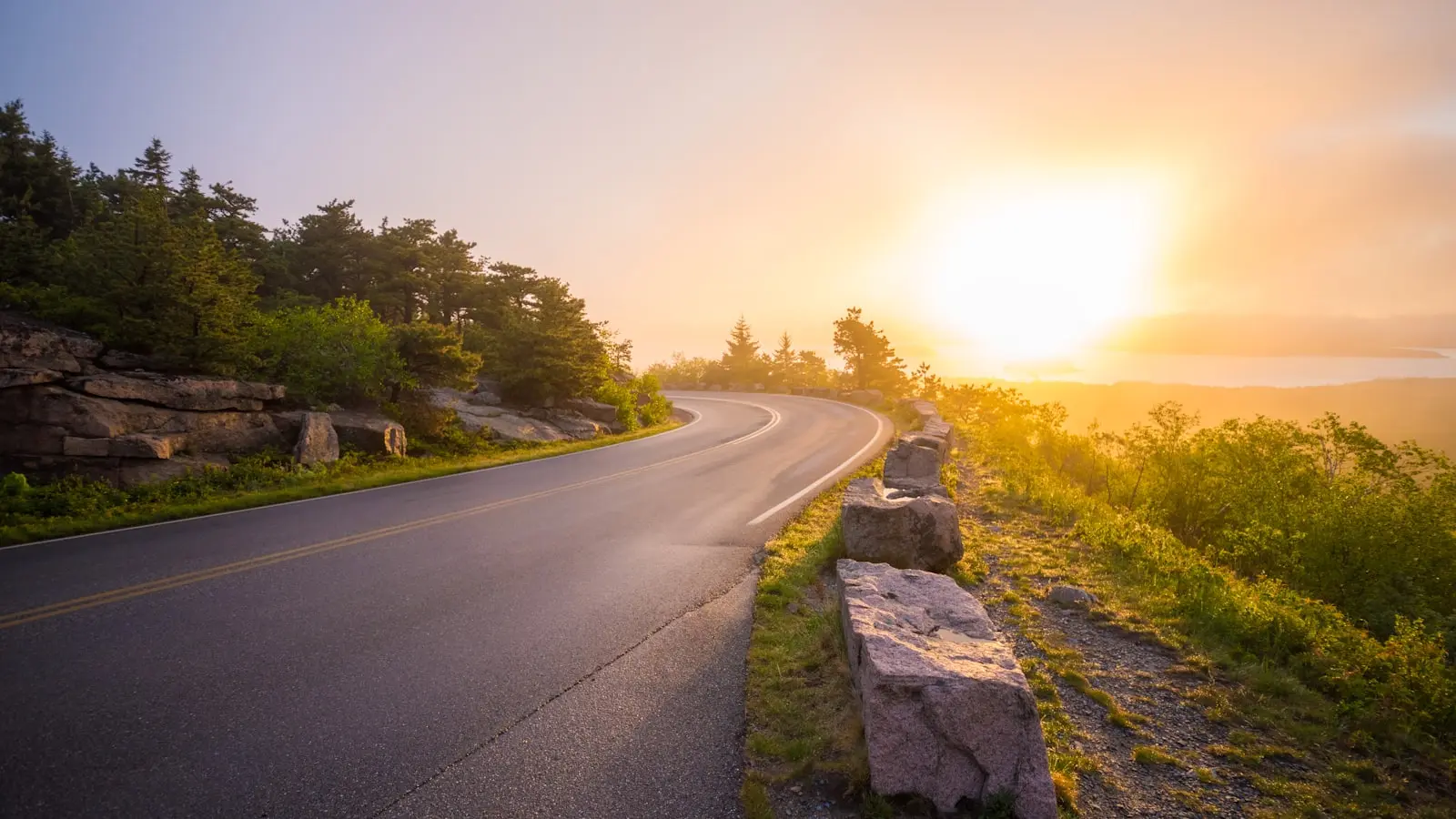
Yes, you can travel substantial parts of the Pamir Highway without renting or driving a four-wheel-drive vehicle. The practical version is not a fixed road-trip itinerary with guaranteed daily stages. It is a flexible transport plan using shared taxis, occasional buses or minibuses where available, locally arranged drivers, and enough time and cash to change plans.
The trade-off is straightforward: you avoid the cost and responsibility of driving unfamiliar mountain roads, but surrender control over departure times, stops, comfort, and sometimes the route itself. A ride may leave only when enough passengers arrive, weather can disrupt access, and a remote stretch may make a private vehicle the sensible option.
Key Takeaways
- A Pamir Highway trip without a 4WD is feasible on many populated corridors, but it is not a guaranteed public-transport journey.
- Shared taxis work best when your dates are flexible, luggage is compact, and an extra overnight stop is manageable.
- Khorog and other larger settlements are useful resupply and decision points before remote, high-altitude legs.
- A hired driver or private 4WD is often worth the cost for remote detours, short itineraries, difficult weather, or border-dependent plans.
- Verify entry rules, regional permits, border status, road access, and local transport close to departure and again during the trip.
1. Decide Whether the Pamir Highway Without a 4WD Fits Your Travel Style
“Without a 4WD” can mean several different journeys. You may travel entirely as a passenger, combine shared rides between larger settlements with a hired vehicle for difficult sections, or cycle while keeping transport as a backup. The broad route may look similar on a map, but these approaches demand different budgets, timelines, and tolerance for uncertainty.
Shared transport can reduce the cost of Pamir Highway transport, especially where there is regular local movement. In exchange, you may wait for a vehicle to fill, travel in close quarters, accept limited luggage space, and lose the freedom to stop whenever you choose. A private driver costs more, but can turn an uncertain sequence of rides into a workable route when time, weather, or a border window matters.
Use this planning matrix before committing:
- Season: More stable summer conditions may leave greater room for an improvised plan. Shoulder-season or winter travel can make access and timing less predictable.
- Route ambition: Main settlements are a more realistic shared-transport goal than high passes, remote valleys, or a tightly timed border-to-border itinerary.
- Group size: Solo travelers may fit into spare seats more easily but may find a private vehicle expensive. Couples and small groups can divide driver costs and gain more control.
- Comfort with negotiation: Expect to ask about departures, destinations, fares, road access, and whether a vehicle will leave that day.
- Tolerance for disruption: If an extra night, changed route, or missed connection would derail the trip, set aside more budget for hired transport.
A private driver or 4WD is worth considering when you have a short fixed itinerary, substantial luggage, limited mobility, a remote detour, or a group able to share the cost. It can also be the more prudent choice when weather, high altitude, or a border deadline turns delay into more than an inconvenience.
2. Build the Route Around Transport Reality, Not Map Distance
Treat the Pamir Highway as a chain of transport decisions rather than a single road to complete. Map distance reveals little about road surface, weather exposure, local traffic, mechanical interruptions, or whether enough passengers appear for a shared taxi to depart.
From Dushanbe toward the first major eastern staging towns, scheduled transport or shared vehicles may be easier to find than on the more remote sections. Even so, do not assume an online timetable reflects what will operate on your travel day. Ask locally where vehicles leave, which destination they are actually serving, and whether the driver expects to depart soon or wait for more passengers.
The route toward Khorog is a major planning threshold. Road choice, weather, and changing Pamir Highway road conditions can affect both comfort and timing. If you arrive late in an intermediate town, regard an overnight stop as a normal contingency rather than a planning failure. Forcing a same-day connection can leave you with no suitable ride or pressure you into accepting an arrangement that does not feel right.
Khorog is best treated as both a resupply point and a decision point. Reassess cash, food, phone charge, weather, local information, and your tolerance for the next leg. It is a better place to decide whether to continue with shared rides or arrange a vehicle than a remote roadside after transport has failed to appear.
The stretch from Khorog toward Murghab and other high-altitude sections is where a Pamir Highway trip without a 4WD becomes more conditional. Shared lifts may be possible, but timing and comfort can be uncertain. A solo traveler with flexible dates may be able to wait; a pair with limited time may find that hiring a vehicle costs less than losing several days to uncertainty.
Optional detours, including the Wakhan Valley and border-adjacent routes, need a separate plan. Do not treat them as an automatic extension of the main road. Access can depend on current permits, checkpoint practice, vehicle suitability, road condition, and weather. Confirm details close to travel and leave enough time to return to the main route if plans change.
For each segment, ask four questions: What transport is actually leaving? Can I safely accept an overnight delay? Is my luggage practical for this vehicle? What happens if the road or vehicle becomes the limiting factor? Those questions are more useful than trying to preserve a perfect itinerary.
3. Verify Entry, Permits, Borders, and Route Access Before Committing
Transport flexibility does not solve administrative restrictions. Tajikistan travel planning should distinguish between entry requirements, registration obligations that may apply to your circumstances, permissions for restricted regions, and rules at a particular international border crossing.
The Gorno-Badakhshan Autonomous Region is often central to Pamir planning, but permit requirements and procedures can change. Confirm whether you need permission, how it is issued or recorded, and whether your route includes additional restricted or border-adjacent areas. Carry physical and secure digital copies of important documents, while remembering that copies do not replace any required originals.
Before departure, verify the following through official Tajik authorities, the relevant embassy or consulate, and official border information:
- Passport validity, visa or e-visa eligibility, and current entry conditions.
- Whether registration rules apply to your nationality, visa type, and planned stay.
- Gorno-Badakhshan permit requirements and any route-specific permissions.
- Whether your intended border is open to foreign travelers in your direction of travel.
- Operating hours, eligibility rules, and practical restrictions at the crossing.
Do not buy nonrefundable onward transport based on an assumed border crossing. A route that works on paper can become unusable if access rules change, a checkpoint restricts movement, or local transport does not appear in time. Keep the itinerary loose until current operating status is confirmed.
4. Plan Cash, Supplies, Connectivity, and Delay Buffers for Remote Legs
A no-4WD strategy works only if you can absorb an unplanned stop without panic. Outside larger centres, card acceptance, working cash machines, mobile signal, fuel, and available rooms should not be treated as guarantees. Carry enough local cash for rides, meals, homestays, and an extra overnight stay, and keep it in more than one secure place.
Download offline maps before leaving a reliable connection. Save accommodation contacts, place names that can be shown to a driver, and useful phrases for asking about the next destination, fare, road, or departure. Offline information will not create a ride, but it makes a disrupted day easier to manage.
Pack for the road rather than for a polished itinerary. Carry water capacity, food for a delay, warm layers, sun protection, basic hygiene supplies, a charged phone, and a power bank. Dust, rough roads, and cramped vehicles make one compact, durable bag more useful than several loose pieces of luggage. Protect documents, medication, and electronics while keeping them accessible.
High elevation affects people differently. Build in time to acclimatize rather than assuming you will feel normal immediately. If you have personal health concerns or questions about altitude, consult a qualified clinician or travel-health professional before departure. On the road, take new or worsening symptoms seriously and do not let a tight schedule override your condition.
Spare days are a logistics measure, not a luxury. There is no universal number because conditions vary by route and season, but leave enough uncommitted time that a weather delay, missed shared taxi, or administrative problem does not force a poor decision.
5. Use a Flexible Booking and Decision System on the Road
The most useful daily habit is confirming the next leg locally the day before whenever possible. Ask where vehicles leave, whether the road is currently passable, what type of vehicle is expected, how many passengers are needed before departure, and whether the driver is going directly to your destination or stopping to fill seats along the way.
Agree on the price and destination before loading bags. Clarify whether the fare is per person, whether luggage changes the arrangement, and when payment is expected. This is not about treating every interaction with suspicion; it reduces misunderstandings when language, fatigue, and a crowded vehicle are involved.
Keep enough cash and time to stay another night. If a shared taxi does not materialize, do not let sunk-cost thinking push you into an unsuitable ride. Upgrade to a hired driver when the cost of delay, weather exposure, a missed permit or border window, or an exhausted travel day outweighs the savings.
Assess vehicles with practical judgment rather than false certainty. Seatbelt availability, visible tire condition, crowding, driver fatigue, road surface, and weather all affect the experience and the risk. If an arrangement feels wrong, it is reasonable to wait, ask about another option, or change the plan.
Here is the basic comparison:
- Shared taxi: Often the cheapest option on busier corridors, with the least predictable departure time and comfort.
- Bus or minibus: Potentially economical where available, but routes and schedules need current local confirmation.
- Hired driver: More control over timing, stops, and luggage, though vehicle quality and cost vary.
- Private 4WD: Most useful for remote or poor-road sections, but not automatically necessary for every part of the route.
- Cycling with transport backup: A demanding option that requires readiness for altitude, weather, repairs, and long gaps between services.
FAQ
Can you travel the Pamir Highway without renting a 4WD?
Yes. A mix of shared taxis, local vehicles, and selected hired rides can make substantial parts of the route possible. It is not a guaranteed public-transport journey, and remote legs may require waiting, changing plans, or paying for a driver.
Where are shared taxis most realistic on the Pamir Highway?
They are generally more realistic between larger settlements and staging towns where local traffic is more regular. As the route becomes more remote, higher, or dependent on a specific detour, transport is more likely to be irregular and should be confirmed locally.
How many backup days should you add for Pamir Highway road conditions?
There is no reliable universal number. Add enough flexible time to accept an extra overnight stop or changed route without endangering a flight, visa deadline, or border plan. The less flexible your dates and the more remote your route, the stronger the case for extra days or private transport.
The practical principle is to choose a route and season that your contingency time, budget, and comfort tolerance can support. Then verify permits, border access, road conditions, and the next transport leg immediately before and during the trip.