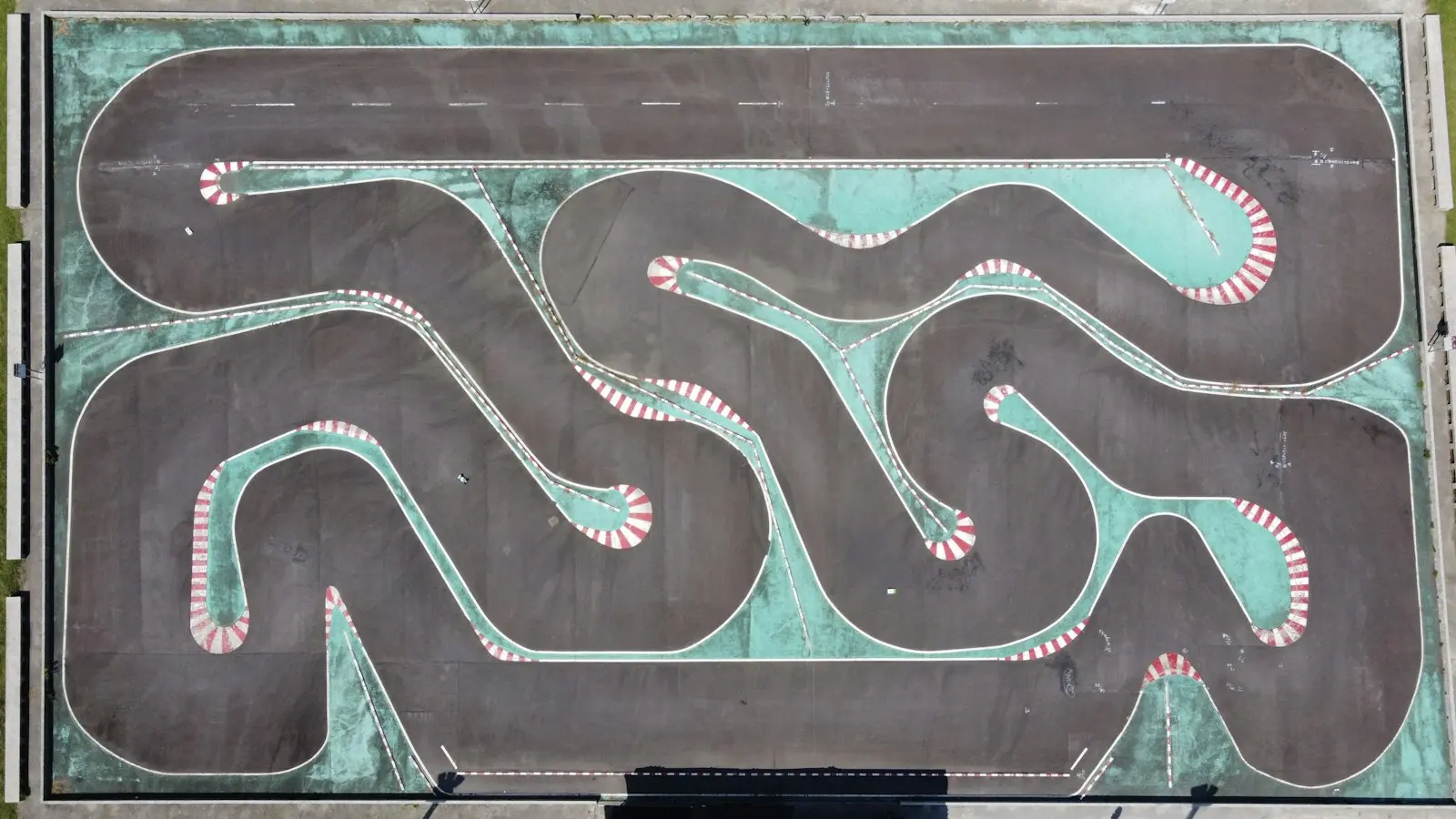
A pace car or safety car temporarily replaces normal racing with controlled competition. Drivers must slow down, hold position, and follow race-control instructions, so ordinary overtaking is generally prohibited until the relevant restart signal or line makes it legal. Yet the order can still change through pit stops, retirements, timing procedures, and lapped-car instructions.
The key point is that a neutralized race is not necessarily suspended. It is reorganized for safety, and that reorganization can create major strategic consequences.
Key Takeaways
- Overtaking is generally restricted while a pace car, safety car, or full-course caution controls the field.
- Drivers can gain or lose positions without passing on track through pit stops, retirements, timing changes, and lapped-car procedures.
- A caution often reduces the relative cost of a pit stop, but staying out may preserve valuable track position for the restart.
- Lapped-car rules, restart lines, and penalties vary significantly between racing series.
- Overtaking becomes legal only when the applicable championship rules or race-control instructions permit racing to resume.
Why a Race Is Neutralized
Race neutralization is used when normal racing speeds would expose drivers, marshals, recovery crews, or damaged cars to unnecessary danger. A crash, debris, poor visibility, stopped vehicle, or another hazard may require officials to slow the field while the circuit is made safe.
With a physical safety car or pace car, the field follows a controlled vehicle around the circuit. The lead car sets the broad pace, while the remaining competitors form a queue. Drivers are usually required to reduce speed and maintain a prescribed relationship to the cars around them rather than race for position.
A virtual neutralization works differently. There may be no vehicle leading the field. Instead, drivers receive speed targets, sector instructions, caution signals, or other control commands while remaining spread around the track. Formula 1, NASCAR, IndyCar, endurance racing, and other championships use different terminology and procedures, so “pace car” and “safety car” should not be treated as universal synonyms.
Neutralization affects the race even when nobody is passing. Gaps can disappear, a leader’s advantage can be reduced, and a driver who pits at the right moment may rejoin ahead of rivals who were previously in front. The sporting contest continues, but the value of track position, tires, fuel, and timing changes.
How the Field Is Controlled and Reordered
During a physical safety-car period, drivers slow down and join the controlled queue. They must obey signals from race control, marshals, timing systems, and the safety car itself. The exact instructions may govern speed, spacing, pit-lane use, and whether a car may pass another competitor or the control vehicle.
The official running order is not simply a snapshot of which nose appears first on the circuit. Timing loops, sector positions, pit-lane status, completed laps, and the championship’s classification procedures all matter. A car can look physically ahead on one part of the track while still being behind another car in the official timing order.
This explains why television viewers sometimes see a driver gain or lose several places without an obvious overtake. One competitor may enter the pits, another may stop with a mechanical problem, and a third may be reclassified after the field is compressed. Cars can also be instructed to change their place in the queue before a restart.
The timing system is particularly important when the field is spread out or when a virtual neutralization is used. A driver’s apparent gap may be measured differently once the race-control procedure is active. The correct order is ultimately the one recognized by the official timing and sporting regulations, not necessarily the visual order at a single corner.
When Overtaking Is Prohibited—and When It Becomes Legal
The general principle behind pace car overtaking rules is simple: drivers cannot use a caution period to race normally. Passing another car under a physical safety car or full-course caution may create confusion about the queue and expose drivers or workers to the danger that caused the neutralization.
That does not mean every change of position is an illegal pass. A car may lose a place because it enters the pits, retires, slows with a problem, or is directed to move by race control. Some championships also allow specific cars to pass under defined instructions. The distinction is whether the driver has made a prohibited racing move or whether the change resulted from an authorized procedure.
A safety car is not an invitation to drive alongside a rival and decide the order independently. Drivers normally need to remain within the required formation and wait for the applicable restart trigger. That trigger might involve a green signal, a control line, a restart line, or a specific instruction from race control. It varies by championship and sometimes by the type of neutralization.
Illegal safety-car overtaking can lead to a sporting sanction. Depending on the series and circumstances, the response could involve a time addition, loss of position, drive-through, stop-and-go penalty, or another decision under the relevant regulations. Because available penalties differ, these should be treated as possibilities rather than a universal punishment.
For viewers, the practical rule is to wait for the official restart signal or the point specified by that championship. A driver accelerating before that point may still be under caution, even if the safety car has entered the pits or the cars appear to be racing again.
How Pit Stops Turn a Caution Into a Strategic Opportunity
A caution can reduce the relative time cost of a pit stop. When the field is circulating more slowly or has been compressed, a driver may lose fewer positions by entering the pits than during green-flag racing. That creates the central pace car strategy question: protect track position now, or sacrifice it for a better-positioned car later?
Pitting can provide fresh tires, fuel, repairs, or a chance to replace damaged bodywork. The driver may rejoin behind cars that stayed out but could have stronger performance when racing resumes. Staying out, by contrast, can preserve the lead or track position for the restart, although those tires may be older and the car may need to stop later under green conditions.
Consider a simple example. Driver A is running second when a caution appears and pits immediately. The stop is efficient, but A rejoins behind several cars that did not stop. Driver B remains on the circuit and leads the restart. On the first lap back under green, B has the advantage of clean track and position; later, A may have fresher tires and more performance.
Neither choice is automatically correct. The decision depends on the expected length of the remaining race, tire condition, fuel requirements, pit-lane rules, traffic, repair needs, and the possibility of another neutralization. A caution can reduce pit-stop losses, but it can also trap a car behind slower traffic or create a long queue at pit entry.
Rules can add further complications. Some series restrict when the pit lane may be entered, control the order in which cars may leave, or impose fuel and tire requirements. The same decision may therefore be valuable in one championship and less attractive in another.
Why Lapped Cars and Restarts Matter
A lapped car has completed fewer laps than the leader and is therefore behind the leaders in the official classification. During a safety-car period, its position in the queue can influence how quickly the front-running cars are grouped and what traffic the leaders face after the restart.
Some championships use a wave-around, unlapping procedure, or another method that allows selected lapped cars to move through the queue under controlled conditions. Other situations may leave lapped cars in place. These procedures are not interchangeable, and not every series uses the same process.
Race control may instruct lapped cars to pass the safety car, remain behind it, or move to another position. The purpose is generally to organize the field before racing resumes, but the sporting effect can be significant. A restart with several lapped cars between the leaders is a different competitive situation from a restart in which the leading contenders are grouped together.
The restart itself is a short period of intense risk and opportunity. Tire temperature, brake temperature, spacing, launch timing, and the location of the restart line can all matter. A driver may try to control the pace before the signal or line, but cannot convert that positioning into a legal overtake until the applicable rules allow racing to resume.
This is why a restart should not be judged only by the first corner. A driver who appears to have lost ground may have protected tires or positioned the car for a later attack. Another driver may lead into the first corner but become vulnerable because the car behind has better tire condition or a stronger exit.
How Pace-Car Rules Differ Across Racing Series
The broad safety logic is shared across motorsport, but the operating details are series-specific. Formula 1 commonly distinguishes between a physical Safety Car and a virtual neutralization, while other championships may use terms such as pace car, full-course caution, or yellow-flag period. Those labels do not automatically describe identical procedures.
The differences can include how the field is closed up, when the pit lane is open, whether cars may pass the safety vehicle, how lapped cars are handled, where the restart becomes active, and how penalties are applied. Oval racing may place particular emphasis on restart lanes and formation, while road and street circuits can involve different marshal sectors and local caution instructions.
Endurance events add another layer because multiple driver classes may share the circuit. The safety procedure must manage cars with different speeds and race objectives, so the effect of a neutralization can be more complex than in a single-class sprint race.
For that reason, there is no single universal answer to every question about pace car overtaking rules. When watching a particular championship, use this checklist:
- Identify whether the race is under a physical safety car, a pace car, a full-course caution, or a virtual neutralization.
- Watch the official timing order rather than relying only on the camera view.
- Note which cars pit and whether the pit lane is operating normally.
- Listen for instructions about lapped cars, wave-arounds, or cars being released.
- Wait for the stated restart signal, line, or green indication before assuming overtaking is legal.
- Treat any penalty explanation as series-specific rather than applying rules from another championship.
FAQ: Pace Car Overtaking Rules
Can race cars overtake while the safety car is on the track?
Usually, normal overtaking is prohibited while the safety car controls the field. Exceptions may exist when a car enters the pits, retires, is directed to move, or is covered by a specific championship rule. Drivers must follow current race-control instructions and wait for the official restart trigger.
How can a driver gain positions without overtaking under caution?
A driver can gain track position when a rival pits, retires, slows with a problem, receives an instruction to move, or is reclassified by the official timing process. Pitting during the caution can also produce a strategic gain later, even if the driver temporarily loses places on the road.
What is the difference between a pace car, a safety car, and a virtual safety car?
A physical pace car or safety car leads or controls a queued field around the circuit. A virtual safety car neutralizes the race through speed targets or instructions without necessarily placing a vehicle in front of the leaders. The exact names, limits, restart procedures, and permitted movements depend on the championship.
The clearest way to read any neutralized race is to separate three questions: what danger caused the intervention, what does race control currently permit, and how are teams using the changed conditions? Cars may not be overtaking normally, but position, timing, tires, fuel, and the restart are still deciding the race.