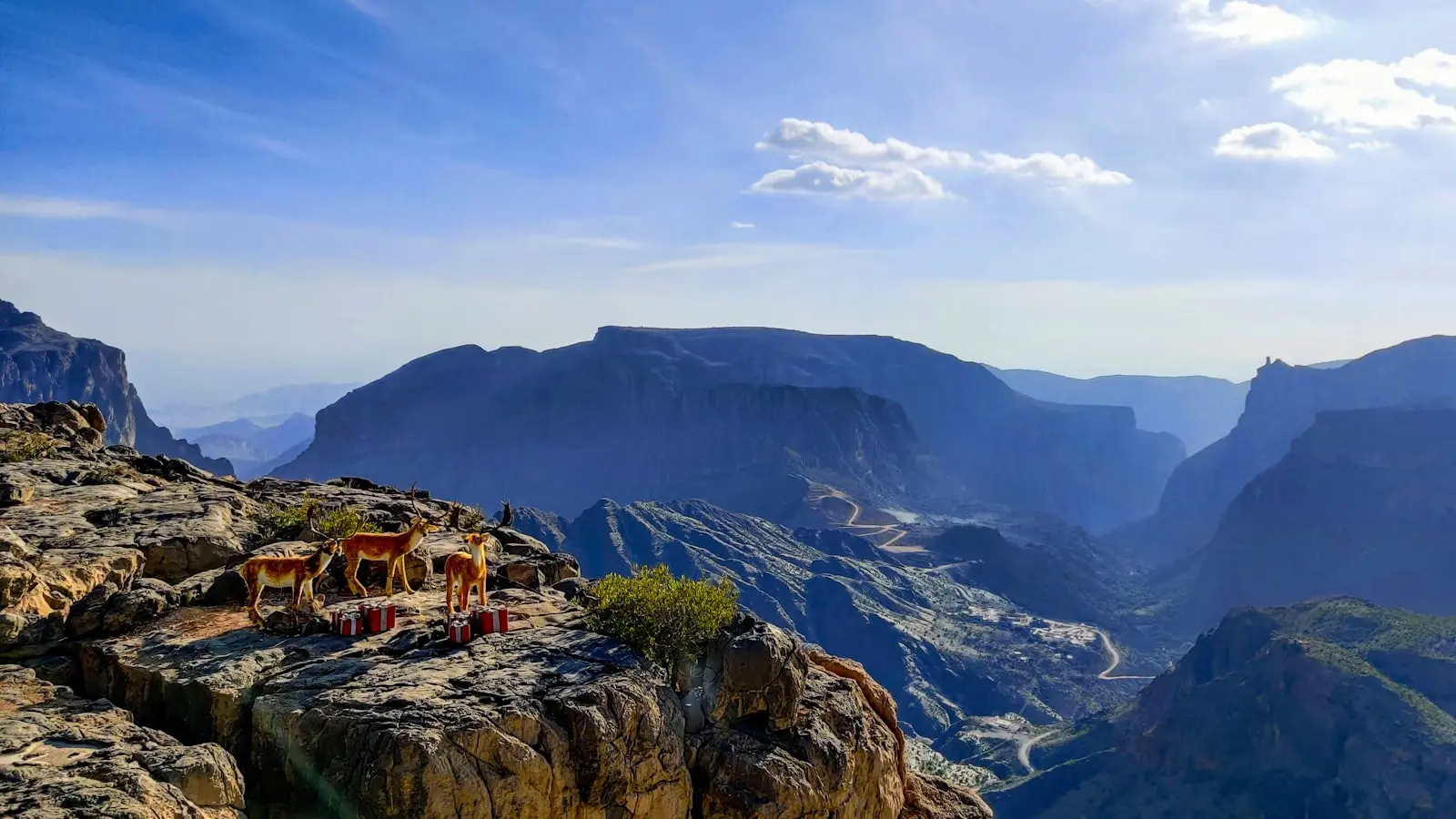
Oman mountain hiking safety begins with a simple mindset: treat even a scenic, short walk as an exposed outdoor activity. Dry air, direct sun, uneven rock, limited shade and a long drive can turn a modest route into a demanding day.
Choose a conservative route, start early, carry supplies for delays and leave enough energy to return safely and drive afterward. Check the current forecast, route status, access conditions and road suitability before leaving, then reassess if conditions differ from the plan.
Key Takeaways
- Dry mountain heat can feel less oppressive than humid heat while still causing substantial fluid loss and fatigue.
- Pick a route for the least experienced person in the group, with a clear turnaround point and time margin.
- Carry water, food, sun protection and offline navigation rather than expecting services on the trail.
- Turn back early if heat, footing, water reserves, daylight or group condition falls outside your plan.
- A hike and the mountain drive afterward are one safety decision, not separate activities.
Know Why Dry Mountain Heat Can Be Deceptive
Low humidity can make sweat evaporate quickly. That may feel more comfortable than sticky heat, but it can also make fluid loss less obvious. You may not feel soaked in sweat while still losing fluid during an exposed climb or a walk over sun-warmed rock.
Temperature is only part of the workload. Direct sun adds heat to the body, while pale rock and bare ground can reflect light upward. Wind may improve comfort, but it can also create a misleading sense that conditions are easy while thirst and fatigue build.
Higher elevations do not automatically remove heat risk. A mountain trailhead may feel cooler than a city or coastal area, yet the route may still involve intense sun, rough surfaces and long sections without shade. Changes in elevation can also make effort less predictable, particularly after travel, poor sleep or a demanding drive.
This matters when hiking is squeezed between sightseeing stops. A route that looks short on a map can become harder once you include careful footing, photo stops, navigation checks, heat exposure and the walk back to the vehicle. Plan the hike as the main physical task of that part of the day, not as an effortless add-on.
Choose a Route and Start Time With a Safety Margin
For effective Oman trail preparation, route choice matters more than ambition. Select a walk based on the least experienced person in the group, not the strongest or fastest. A suitable beginner option should have manageable distance and climbing, understandable navigation, realistic turnaround points and enough time to finish without rushing.
Before following Jebel Shams hiking tips or visiting any other mountain area, verify current conditions. Check the forecast close to departure, confirm route access and ask about any restrictions affecting roads, trail sections, parking or viewpoints. Do not rely solely on an old itinerary, map listing or travel image, since conditions and access arrangements can change.
Distinguish a viewpoint walk from a longer exposed route. A short path near parking can still involve loose stone, steep edges or uneven ground. Longer routes may add more committed terrain, where a wrong turn, fatigue or a slow return has greater consequences.
Start early enough to finish before the strongest sun, rather than simply beginning early. Allow time for a slower pace on rock, rest breaks, photography and an unplanned turnaround. A late start is a sound reason to shorten the route, especially when the same person must drive mountain roads later.
Use this decision screen before setting out:
- Is the forecast suitable for exposed walking today?
- Does everyone have the footwear, confidence and fitness for the surface?
- Does the group understand the route and have offline navigation?
- Is there enough water and daylight for a slower-than-expected return?
- Is the driver rested enough for both the hike and the road afterward?
If any answer is no, choose a shorter route, delay the hike or skip it. Completing a named trail is never more important than preserving a safety margin.
Build a Hydration and Food Plan for Dry Climates
Hydration for dry climates starts before reaching the trail. Begin the day having eaten and had fluids normally, rather than trying to correct dehydration outdoors. Do not assume a shop, tap, café or trail service will be available when you need it.
Carry water for the intended route and a reserve for delays, wrong turns, a slower companion or unexpected heat. There is no single amount that suits every hiker: needs vary with exertion, sun exposure, route duration, body size and individual health factors. Drink regularly according to thirst and effort, but protect enough reserve to manage an unplanned delay.
For prolonged sweating, electrolyte-containing drinks or foods may be useful as part of a broader fluid and food plan. They do not replace water, pacing, shade or a decision to turn back. Anyone with a medical condition or dietary restriction should be cautious about making major changes to usual fluid or sodium intake.
Pack foods that are easy to eat in heat and stable in a day pack. Carbohydrate-containing snacks can help sustain energy, while salty foods may be practical during a longer, sweaty outing. Keep backup water and food in the vehicle, but do not treat supplies at the car as a substitute for what you need on the trail.
Avoid starting with a reduced margin. Poor sleep, alcohol, a heavy meal, long stretches in a hot vehicle and driving without breaks can all make exertion feel harder. If someone begins with unusual fatigue, nausea, headache or clear dehydration concerns, choose a shorter and cooler activity.
Wear and Carry Gear for Rock, Sun and Self-Drive Travel
Footwear is a safety item, not just a comfort choice. Use broken-in hiking shoes or boots with dependable grip and a sole suited to uneven rock. New shoes can cause blisters quickly, while smooth casual footwear can make loose stone and descents harder to control.
Wear socks that reduce friction and breathable clothing that covers exposed skin. Loose layers can limit direct sun without trapping excess heat. A broad-brimmed hat, sunglasses and sunscreen work together; no single item fully protects against prolonged sun exposure.
Carry water in a hands-free system when possible so both hands remain available for balance. A small day pack should also contain an offline map and route details, a charged phone, power bank, headlamp, basic first-aid supplies, whistle and emergency contact information.
Navigation deserves special attention in rocky mountain terrain. Download maps before entering remote areas, and keep paper directions or written route notes in the vehicle. Do not depend entirely on mobile signal, battery power or another group to guide you back.
For a self-drive mountain day, carry extra drinking water, snacks, charging equipment, warm layers and basic roadside supplies. Check fuel before remote stretches, inspect tire condition and make sure the spare tire and tools are usable. Confirm that the planned road suits the vehicle, your driving experience and the rental agreement; mountain-road conditions and vehicle requirements can change.
Know When to Slow Down, Stop or Turn Back
Heat exhaustion prevention depends largely on acting early. Mild thirst, warm skin and tired legs can occur during normal exertion, but they should trigger a pace check rather than a push toward the next viewpoint. Slow down before anyone feels overwhelmed, rest in shade where possible and take breaks before the group becomes depleted.
Stop and cool down if someone develops worsening headache, dizziness, nausea, unusual weakness, cramps, heavy fatigue or difficulty keeping up. Move out of direct sun if possible, reduce exertion, loosen excess layers and offer fluids if the person is alert and able to drink. Feeling somewhat better after a short break does not automatically make continuing the right choice.
Urgent warning signs include confusion, fainting, collapse, seizure, altered behavior, inability to drink or symptoms that worsen despite stopping and cooling. Seek emergency help in these situations. Do not leave the person alone, encourage them to continue hiking or ask them to drive.
Set a turnaround rule before starting: turn back when water reserves, daylight, footing, navigation confidence, weather or group condition moves outside the original safety margin. This prevents the common mistake of waiting for a dramatic problem before changing plans. An early turnaround is often the strongest decision of the day.
Before departure, tell a reliable person the planned route, expected return time and vehicle details. Agree on what they should do if you do not check in. Verify current emergency procedures and likely phone coverage for the area through appropriate official information rather than assuming a call will be possible from the trail.
Make the Drive Part of the Hiking Plan
A mountain hike does not end at the car. Heat, fatigue and dehydration can reduce concentration during the drive back, while narrow or rough roads may demand sustained attention. Plan a recovery break after hiking before beginning a long descent or continuing to the next destination.
Keep water accessible in the vehicle, eat something simple, cool down and assess whether the driver is alert. If the hike takes longer than expected, do not try to recover time by driving faster or skipping breaks. It is safer to remove a later sightseeing stop than to compress the margin needed for the road.
The best Oman mountain hiking safety plan is flexible by design. It gives you permission to choose a short walk, pause often, return early or change the day when heat, fatigue or uncertainty rises. The views will remain; your safety margin is the part that cannot be replaced.
FAQ
How much water should I carry for hiking in Oman’s dry mountain heat?
Carry enough for the planned route plus a reserve for delays, a slower pace or helping another person. A fixed amount is not appropriate for everyone because needs change with heat, sun, effort, duration and individual factors. Begin hydrated, drink regularly and do not rely on services that may not be available.
Is Jebel Shams suitable for beginner hikers?
It depends on the specific route, current access conditions, weather, surface, exposure and the group’s experience. Some areas may offer short scenic walks, while others can involve rough footing, long exposure or more committed terrain. Verify current local guidance, choose the simplest suitable option and be prepared to shorten the plan.
What should I do if someone shows signs of heat exhaustion on a trail?
Stop exertion, move the person out of direct sun if possible, begin cooling measures and offer fluids only if they are alert and able to drink. Do not leave them alone or ask them to continue hiking or drive. Seek urgent emergency help for confusion, fainting, collapse, seizure, inability to drink or worsening symptoms.