Why Travel Leaves You Stressed and Fatigued
Travel puts the body under several forms of stress simultaneously. Cramped seating, reduced air circulation, and prolonged sitting trigger muscle tension and stiffness. Disrupted sleep schedules, dehydration from cabin air, and the pressure of navigating unfamiliar environments elevate cortisol, the body’s primary stress hormone. Time zone changes further disrupt circadian rhythms, leading to jet lag. The result is a combination of physical fatigue and mental exhaustion that lingers for days after arrival. For many travelers, the goal is to reset quickly without turning to medication. Understanding these mechanisms helps in choosing the most effective natural remedies for travel relaxation.
Key Takeaways
- Onsen-style warm baths are one of the most effective drug-free methods for post-travel relaxation, helping lower cortisol and ease muscle tension.
- Herbal teas like chamomile and lavender support calmness, but avoid kava due to liver toxicity risks.
- Simple breathing exercises or short meditation can shift your body into a rest state within minutes — no equipment needed.
- Magnesium baths and aromatherapy are easy to replicate at home and complement other remedies.
- Timing remedies near bedtime and combining them (e.g., tea + bath) can maximize recovery benefits.
The Top 5 Natural Remedies for Post-Travel Relaxation
1. Onsen Bathing / Thermal Baths
Immersion in warm mineral water, as practiced in Japanese onsen, is one of the most comprehensive natural relaxants. The heat causes blood vessels to dilate, improving circulation and reducing muscle stiffness. Some research suggests that hot water immersion may help lower cortisol levels and activate the parasympathetic nervous system, promoting a state of calm. Beyond the physiological effects, the ritual of soaking in a quiet, warm environment provides a mental break from overstimulation. This combination makes onsen bathing particularly effective after long flights or busy itineraries.
2. Herbal Teas
Certain herbal teas have compounds that interact with the nervous system to promote relaxation. Chamomile contains apigenin, an antioxidant that binds to receptors in the brain associated with sleep induction. Lavender and passionflower are also commonly used for their calming properties. Some research suggests valerian root may help improve sleep quality, though evidence is limited. It is important to note that kava, sometimes promoted for relaxation, has been linked to severe liver damage and should be avoided. Most herbal teas are safe in moderation, but those with ragweed allergies should be cautious with chamomile.
3. Deep Breathing or Short Meditation
Simple breathing exercises can shift the body from a sympathetic (fight-or-flight) to a parasympathetic (rest-and-digest) state within minutes. The box breathing technique—inhale for four counts, hold for four, exhale for four, hold for four—is easy to do anywhere. A five-minute body scan meditation, where you mentally check in with each part of the body, can also release tension without any equipment. These practices require no preparation and can be used immediately upon arrival.
4. Magnesium Flakes / Bath Salts
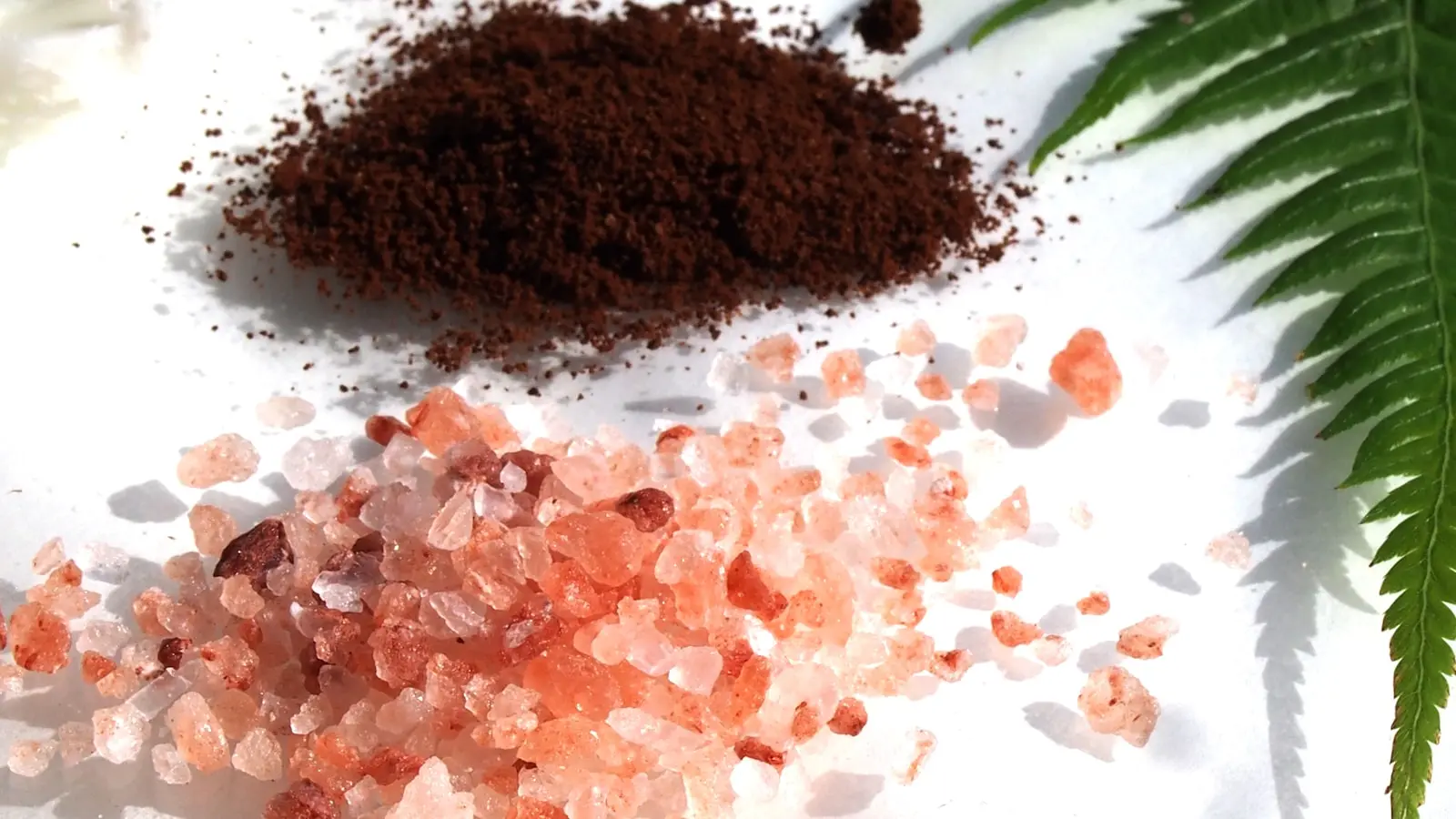
Magnesium is involved in muscle contraction and nerve function. When absorbed through the skin via a warm bath, it may help relax tired muscles and promote sleep. Epsom salts (magnesium sulfate) or magnesium chloride flakes are widely available. Adding one to two cups to a bath creates a simple home version of a mineral soak. This is especially useful for travelers who do not have access to a natural hot spring but still want the benefits of a warm, mineral-rich bath.
5. Aromatherapy
Essential oils such as lavender, bergamot, and frankincense are commonly used to reduce perceived stress. Inhaling these scents can influence the limbic system, the part of the brain that processes emotion. Aromatherapy can be delivered via a diffuser, or a few drops of oil diluted in a carrier oil can be applied to pulse points or added to a bath. It is important to never ingest essential oils and to perform a patch test to rule out skin sensitivity.
How to Replicate the Onsen Experience at Home
If you cannot visit a natural hot spring, you can recreate much of the benefit with a standard bathtub. Start by filling the tub with warm water—around 38–40°C (100–104°F) is ideal. Avoid scalding water, as it can cause dizziness or burns. Add one to two cups of Epsom salts or magnesium flakes. If desired, mix three to five drops of lavender essential oil with a tablespoon of carrier oil (such as jojoba or coconut oil) before adding to the bath, as undiluted oils can irritate the skin.
Dim the lights and consider playing calming ambient sounds or soft music. Soak for 15–20 minutes, keeping a glass of water nearby to stay hydrated. After the bath, rest for a few minutes and avoid strenuous activity. If you do not have a bathtub, a large foot basin with warm water and salts can provide localized relief, or a heated towel wrap can soothe shoulders and neck.
Timing and Duration for Maximum Effect
The timing of your relaxation routine can affect how well it works. Within a few hours of arriving at your destination, your body is still adjusting. Ideally, practice your chosen remedy before bedtime to support the transition to a new sleep schedule.
- Bath: 15–20 minutes. Soaking longer may cause overheating.
- Herbal tea: Steep 10 minutes, then sip slowly. Allow time for digestion before sleeping.
- Deep breathing or meditation: 5–10 minutes is sufficient. You can repeat as needed during the day.
- Aromatherapy: Diffuse for 30–60 minutes or apply diluted oil before relaxation activity.
Combining remedies can amplify the effect. For example, drink chamomile tea while soaking in a magnesium bath, or diffuse lavender oil during a breathing exercise. Keep in mind that individual responses vary.
Precautions and Health Considerations
While these natural remedies are generally safe, they are not risk-free for everyone.
- Hot baths: Avoid water that is too hot if you are pregnant, have high or low blood pressure, or have a heart condition. If you feel lightheaded or nauseous, exit the bath immediately.
- Herbal teas: Valerian may interact with sedatives and other medications. Chamomile can cause allergic reactions in people sensitive to ragweed. As noted, kava should not be used. Consult a healthcare professional if you are pregnant, nursing, or taking prescription drugs.
- Aromatherapy oils: Never ingest. Always dilute with a carrier oil. Test on a small area of skin first to check for irritation.
- General: If you have a chronic medical condition or are on medication, talk to your doctor before starting any new relaxation practice, especially those involving heat or herbs.
The goal is to restore balance, not to treat a medical condition. If travel-related stress or fatigue persists beyond a few days, consider consulting a physician.
FAQ
Can I use Epsom salts in a regular bathtub? Yes, Epsom salts dissolve easily in warm water. Add one to two cups and stir to help them dissolve. Ensure the water temperature is comfortable—excessively hot water can cause fainting or overheating. Rinse the tub after use to prevent residue buildup.
How long should I soak in an onsen-style bath? A typical soak is 15–20 minutes. Stay less time if you are new to hot baths or feel any discomfort. Exit slowly if you become lightheaded or overheated. Drinking water before and after the soak helps maintain hydration.
Are herbal teas safe to drink after travel? Most herbal teas are safe for healthy adults when consumed in reasonable amounts. Chamomile, lavender, and passionflower are well-tolerated. However, avoid kava due to its association with liver damage. Check ingredient labels for potential allergens. If you are pregnant, nursing, or taking medication, consult your healthcare provider to confirm safety.