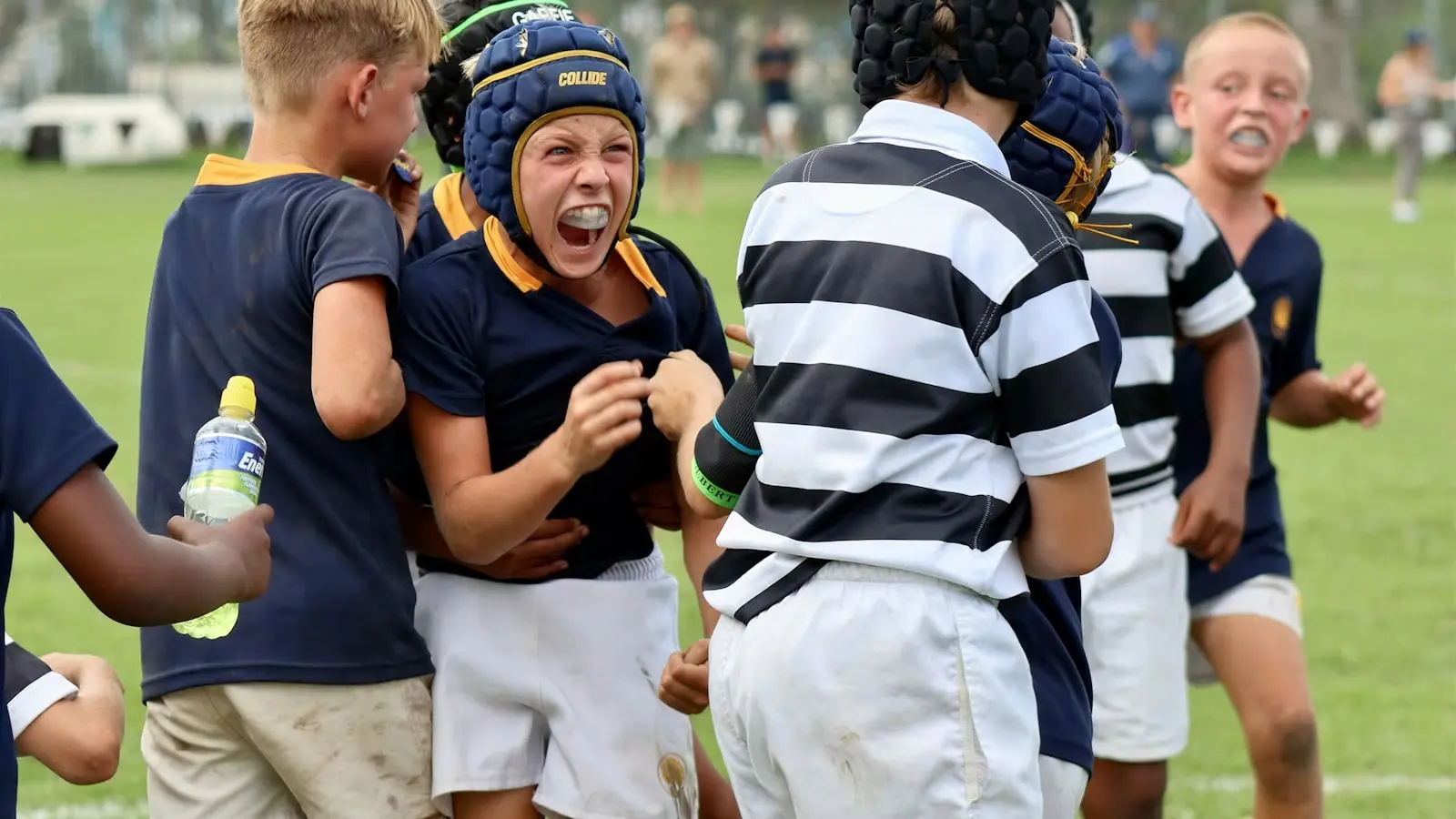
A properly fitted mouthguard for judo can help reduce the risk of damage to teeth and injuries to the lips, cheeks, and tongue when accidental contact occurs. It cannot guarantee protection from broken teeth, jaw injuries, facial fractures, or concussion, and it is not a substitute for controlled training and prompt care after an injury.
Key Takeaways
- Judo has no intentional striking, but accidental contact during throws, falls, grip exchanges, and groundwork can still injure the mouth.
- A secure, well-fitting mouthguard can help cushion the teeth and protect mouth soft tissues.
- Custom guards usually offer the best fit and retention; a properly molded boil-and-bite guard can be a practical alternative.
- Mouthguards should not be presented as proven concussion-prevention equipment.
- Check competition-specific equipment rules before wearing a guard at an event.
Dental protection is the clearest reason to consider a mouthguard in judo. Close-range movement, throws, falls, and transitions can create moments when a knee, elbow, head, shoulder, or the mat contacts the face or jaw.
How Dental Injuries Can Happen in Judo
Judo has a different injury pattern from striking sports, but facial contact can still happen. During a throw, either athlete may move unexpectedly while turning, posting, recovering balance, or resisting a technique. Head collisions can occur during grip fighting, while elbows or knees may make contact during scrambles and groundwork.
The face can also contact the mat during an awkward fall or poorly controlled transition. Even a relatively limited impact may chip a tooth, cut the inside of a lip, or cause a painful bite to the tongue or cheek.
Risk varies by situation. Faster drilling, hard randori, competition, crowded training spaces, fatigue, and poorly matched partners can all make accidental contact more likely. Athletes with braces, crowns, implants, veneers, or other dental work may also have added reasons to discuss protective options with a dentist.
Dental injuries may not occur often in a given class, but the consequences can be significant. For many judoka, the practical question is whether a guard is comfortable enough to wear consistently during higher-risk training.
What a Mouthguard Can and Cannot Protect
For judo dental protection, a mouthguard creates a cushioning layer over the teeth. When it fits securely, it can help spread contact across the guard instead of concentrating force directly on a single tooth. It also creates a barrier between the teeth and the lips, cheeks, and tongue.
A well-fitting combat sports mouthguard may therefore help reduce the chance or severity of some chipped teeth, tooth displacement, lip cuts, cheek bites, and tongue injuries. It can also be useful for athletes who tend to clench during intense gripping, pins, escapes, or falls.
Its limits matter just as much. A forceful impact can still damage teeth, restorations, the jaw, or facial bones. A mouthguard cannot stop the head from moving during a fall, correct poor breakfall technique, or make uncontrolled practice safe.
It should be treated as one layer of protection alongside skilled supervision, appropriate partner pairing, progressive drilling, sound ukemi, and attention to fatigue. Wearing a guard is never a reason to ignore facial pain, a changed bite, or symptoms after a head impact.
Choosing a Mouthguard for Judo
The best option is usually the one that fits securely and is worn consistently. A guard that shifts, feels excessively bulky, or interferes with breathing is less likely to stay in place when it is needed.
| Type | Fit and retention | Practical trade-offs |
|---|---|---|
| Custom-fitted | Usually the most precise fit and stable retention | Higher cost and typically requires a dental professional |
| Boil-and-bite | Can fit reasonably well if molded carefully | Results depend heavily on molding; may be bulkier or less stable |
| Stock | Least personalized and often least secure | May shift, affect speech, and require biting to hold in place |
Custom-fitted mouthguard: A custom sports mouthguard is made from an impression or scan of the athlete’s teeth, usually through a dental professional. Its close fit typically makes it more stable and comfortable than an over-the-counter option. Because it should stay in place without constant biting, breathing and communication may be easier for some athletes.
The trade-off is cost and access. A custom guard may be especially worthwhile for frequent trainees, competitors, people with complex dental work, or athletes who have stopped using other guards because they fit poorly. It is not automatically necessary for every recreational judoka.
Boil-and-bite mouthguard: This type is softened in hot water and shaped around the teeth at home. It is widely available and generally more affordable. A carefully molded guard can be a sensible middle ground for a newer athlete or someone who trains less often.
Fit is crucial. If the material ends up thin, uneven, loose, or overly bulky, the guard may shift during movement and provide less dependable coverage. Follow the molding instructions closely and test it before using it in hard training.
Stock mouthguard: A stock guard is preformed and worn without molding. It is usually inexpensive, but it may move around and interfere with speech. If it falls out when the mouth opens or must be held in place by clenching, it is unlikely to be a dependable choice for judo.
When comparing options, consider coverage, retention, comfort, breathing, speech, durability, budget, and training frequency. Athletes with braces, retainers, crowns, implants, or other dental concerns should ask a dentist which type is appropriate.
Mouthguards and Concussion Evidence
Mouthguards are used primarily to help protect the mouth and teeth. That is different from saying they are proven concussion-prevention devices.
A concussion results from forces affecting the brain, often after a blow to the head or forceful movement of the head and body. Research continues on whether mouthguards influence impact forces, but current mouthguard concussion evidence is not definitive enough to describe a mouthguard as a reliable way to prevent concussion in judo.
This distinction has practical consequences. A mouthguard should not encourage a judoka to accept harder falls, continue in uncontrolled training, or assume a head impact is harmless. It is mouth protection, not permission to take avoidable risks.
After a suspected concussion or significant head impact, stop training and follow appropriate medical or event procedures. Headache, dizziness, nausea, confusion, balance problems, visual changes, unusual sleepiness, or feeling unlike yourself can all warrant prompt assessment.
Fit, Care, Replacement, and Judo Rules
For a boil-and-bite guard, follow the manufacturer’s heating and molding directions carefully. Overheating can distort the material, while incomplete molding can leave it loose. Once cooled, it should remain in place when you open your mouth and breathe normally without clamping your teeth together.
Wear a new guard during lighter drilling before using it in hard randori or competition. Check that you can breathe comfortably, communicate clearly enough with a coach or partner, and remove it without difficulty. Persistent gagging, pain, rubbing, or poor retention are signs that the fit may not be suitable.
After use, rinse the guard with cool or lukewarm water and clean it as directed. Let it air-dry completely before storing it in a ventilated case. Keep it away from direct sun, hot cars, and other heat sources that can warp the material.
Replace a mouthguard if it develops tears, deep bite marks, sharp edges, distortion, poor retention, or a persistent odor despite proper cleaning. Orthodontic adjustments, new dental restorations, and other changes to the teeth can also affect fit.
Competition policies should be checked rather than assumed. Rules can vary by governing body, organizer, age group, competition level, and local setting. Ask your club or event organizer whether mouthguards are permitted and whether a specific event has design, color, or use requirements.
Seek dental or medical assessment after a chipped, loose, displaced, or painful tooth; a significant mouth cut; jaw pain; a changed bite; numbness; or notable facial trauma. Early assessment can be important when a tooth or jaw injury is possible.
FAQ
Is a mouthguard for judo worth it if judo has no punching?
Often, yes. Accidental contact can occur during throws, falls, grip exchanges, and groundwork even though intentional strikes are not part of judo. Its value depends on your training intensity, dental needs, comfort, and willingness to wear it consistently.
Are custom mouthguards better than boil-and-bite mouthguards for judo?
Custom guards usually have advantages in fit, retention, and comfort because they are made for the individual’s teeth. A well-molded boil-and-bite guard can still be a useful and accessible choice, particularly for a newer or occasional trainee. Loose stock guards are generally the least dependable option.
Can a mouthguard prevent a concussion in judo?
A mouthguard may help protect the mouth and teeth, but it should not be represented as a proven way to prevent concussion. Prioritize controlled training, proper falling skills, and timely assessment after a suspected head injury.