When Marco Bezzecchi’s bike lost traction at 180 km/h entering Turn 6, the crash sequence was textbook modern MotoGP. The airbag deployed in under 20 milliseconds. The carbon-fiber helmet absorbed the primary impact. The anti-rotation plates in his boots kept his ankles aligned. Yet, after the slide, his bike struck a track marshal standing behind a barrier. The Reddit community immediately questioned: is the gear actually working?
The Incident
Bezzecchi’s crash at the 2024 Argentine Grand Prix was not unusual in its violence. Riders fall at high speed multiple times per season. What made this incident stick was the secondary collision. After Bezzecchi separated from his machine, the motorcycle continued sliding and hit a marshal who was positioned trackside. The marshal suffered minor injuries, but the event reopened a long-running debate about how much safety technology can control what happens after the rider loses control.
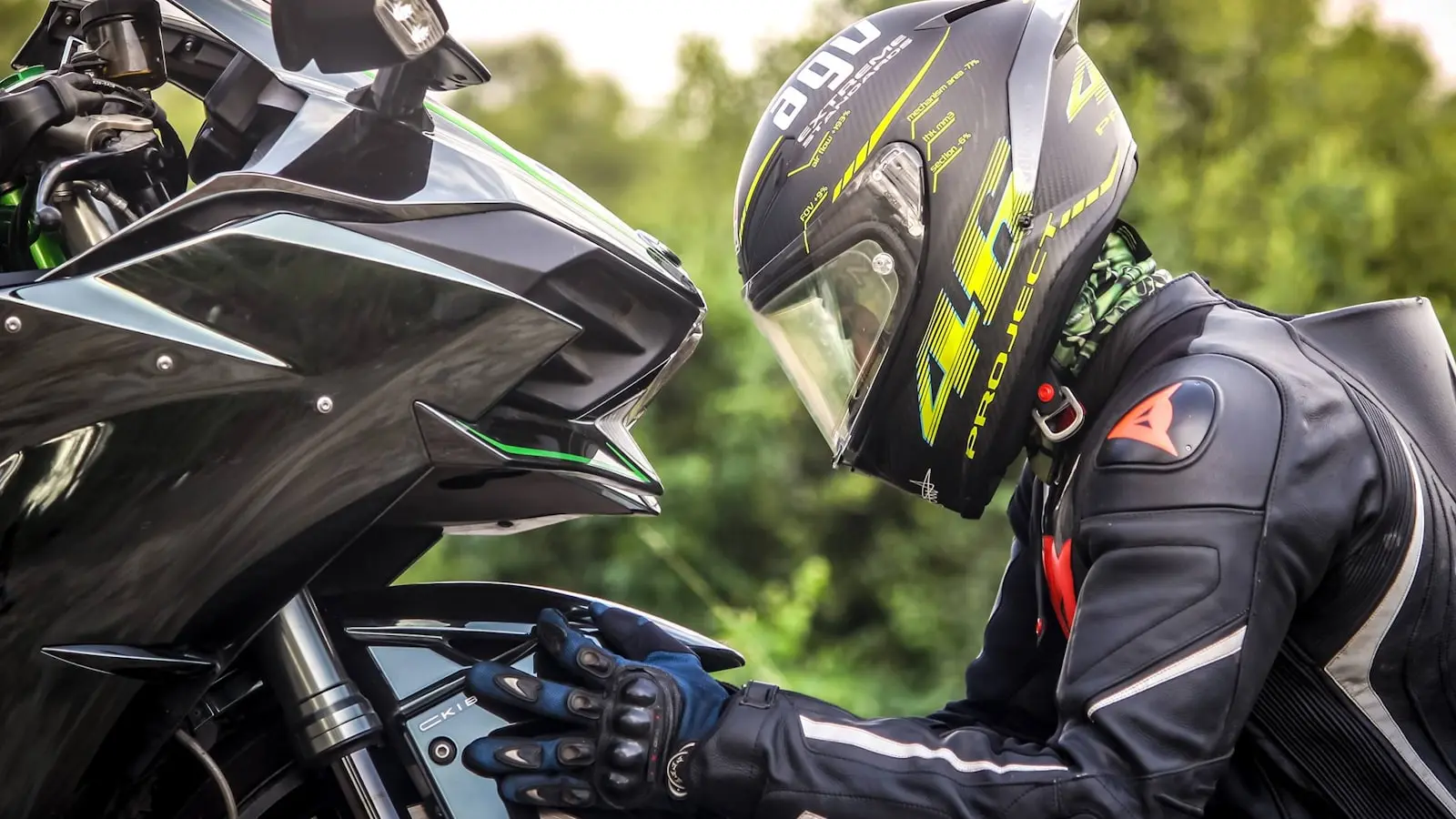
Modern MotoGP safety gear is designed to handle the primary impact: the rider hitting asphalt, gravel, or barriers. The FIM mandates that all premier-class riders wear airbag suits from either Dainese or Alpinestars. These suits contain sensors that detect sudden deceleration and deploy a nitrogen-filled bladder that inflates in 15 to 25 milliseconds. The bladder protects the collarbone, shoulders, and spine—areas most vulnerable in high-side crashes. The suits are paired with carbon-fiber helmets that incorporate MIPS (Multi-directional Impact Protection System) to reduce rotational forces. Custom boots feature anti-rotation plates that prevent the ankle from twisting beyond a safe range.
The Mandated Gear
The mandatory equipment list (FIM Road Racing World Championship Regulations, 2024 edition) includes:
- Airbag suits (Dainese D-Air or Alpinestars Tech-Air) with CE Level 2 certification.
- Full-face helmets certified to ECE 22.06, with carbon-fiber shells and multi-density EPS liners.
- Leather gloves with palm sliders and wrist protection.
- Boots with anti-rotation inserts and malleolus protection.
- Back protectors, chest protectors, and knee sliders.
But the gear is optimized for the rider’s body, not for controlling the detached motorcycle. Bezzecchi’s bike, after he let go, continued sliding because it retained kinetic energy. The bike’s throttle stuck open? (Unlikely in modern fly-by-wire systems, but the crash detection algorithm may not have cut the engine immediately.) The handguards and brake lever protectors are meant to prevent accidental throttle opening or brake application during a slide, but they cannot stop a 157 kg machine from becoming a projectile.
The Vulnerability
Reddit users noted that the incident exposed a gap: rider control after a crash remains a vulnerability. The airbag suit protects the torso and neck, but the helmet and boots cannot prevent the bike from turning into an unguided missile. Telemetry data from Bezzecchi’s bike was analyzed by his team (VR46 Racing) within hours. According to reports, the crash detection system triggered the airbag correctly, but the engine continued running for a short period after the rider detached. This is a known issue: the algorithm that decides when to cut the engine relies on rider input (handlebar pressure, throttle position) and may not react fast enough in a low-side slide where the rider rolls away while the bike stays upright.
Brake lever protectors are now common on MotoGP bikes—they are small guards that prevent the lever from being snagged by debris or the rider’s own body during a crash, which could cause the throttle to open inadvertently. But these protectors are designed for rider safety, not for bystander safety. The marshal was standing in a zone that is considered ‘danger area’ by FIM regulations (within 3 meters of the track edge), but even with that, the impact speed was around 80 km/h.
Telemetry & Iteration
What the Reddit discussion missed is how telemetry data drives iterative improvements. Teams now use high-speed cameras, GPS, and accelerometers to reconstruct crash dynamics frame by frame. After Bezzecchi’s incident, Dainese and Alpinestars likely requested the telemetry logs to fine-tune their deployment algorithms. One potential fix: program the airbag suit to send a wireless signal to the bike’s ECU to cut the engine immediately upon airbag deployment. This is technically feasible (the suits already have Bluetooth or RF communication with the timing system), but it would require standardization across all teams and manufacturers. Another possibility: redesign the brake lever protectors to act as ‘dead man’ switches that physically disable the throttle if the levers are bent beyond a certain angle.
The FIM has been reactive. After the 2023 season, they mandated higher barriers in certain corners. After Bezzecchi’s crash, they may review marshalling positions and consider smart barriers that deploy airbags themselves. But the core issue—a motorcycle that becomes a projectile after the rider detaches—has no simple engineering solution because it involves physics: kinetic energy must go somewhere.
The Verdict
No system is perfect. The gap between rider protection and bystander safety remains significant. Modern MotoGP airbag suits reduce rider injury severity by an estimated 40% (FIM data, 2023), but they cannot control the bike after separation. The real question is not whether the gear works for the rider—it does, demonstrably—but whether the sport has neglected secondary collision mitigation. Bezzecchi walked away with minor bruises. The marshal also sustained only minor injuries. That outcome is fortunate, but it exposes a structural vulnerability. The industry response will likely focus on engine cut-off protocols, smarter actuation, and revised marshalling geometries. For now, the message is clear: wear the airbag, trust the helmet, but understand that a 200 mph piece of machinery does not stop being dangerous just because you let go.