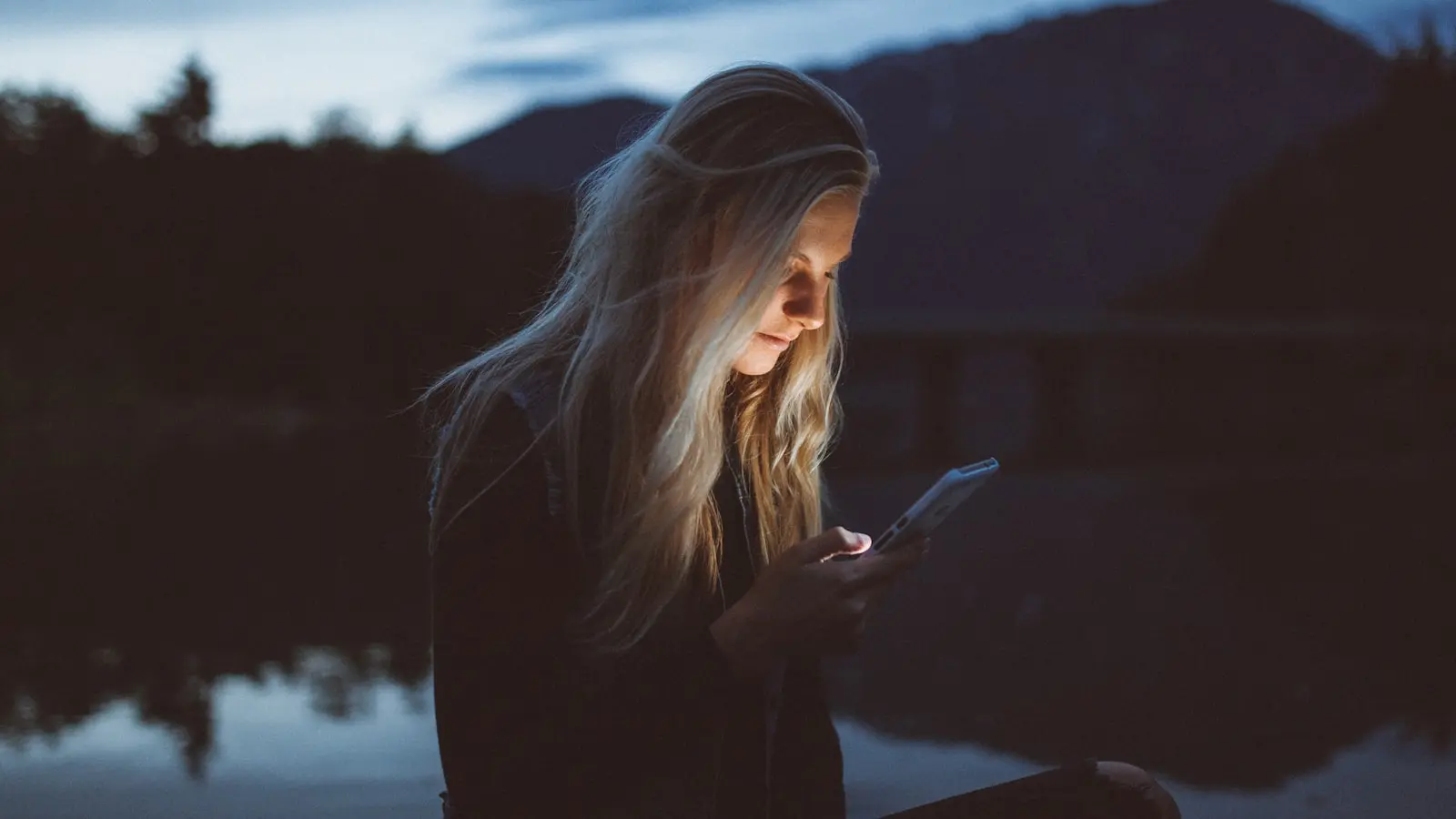
Late-night screen use can make sleep recovery worse when it delays bedtime, exposes you to substantial evening light, or keeps your mind activated when you are trying to wind down. For many people with a fixed wake time, the most immediate problem is lost sleep opportunity: another hour of streaming or scrolling leaves less time available for sleep.
That does not mean every evening film, phone check, or late premiere is harmful. Screens and sleep recovery depend on timing, brightness, content, duration, and how the habit affects your ability to fall asleep and function the next day. The practical goal is not to ban entertainment, but to identify what is disrupting rest.
Key Takeaways
- Late screens are most likely to affect recovery when they repeatedly push bedtime later while wake time stays fixed.
- Evening light can delay sleepiness for some people, but blue light before bed is only one part of the picture.
- Suspenseful, stressful, interactive, or endlessly refreshing content can keep the brain alert even with brightness turned down.
- Night mode and warmer display settings may reduce some short-wavelength light exposure, but they cannot replace lost sleep or remove emotional arousal.
- A stopping cue, calmer late-night content, lower brightness, and keeping the phone away from the bed can be more realistic than a rigid screen curfew.
What sleep recovery means and why late viewing can interfere
Sleep recovery means having enough opportunity for sleep and enough uninterrupted rest to support next-day alertness, mood, concentration, and physical functioning. It is not guaranteed by one ideal night, and it is not necessarily ruined by one late evening.
Late viewing can interfere through three overlapping pathways. The first is bedtime displacement: an episode ends, autoplay starts another, or a brief phone check becomes extended browsing. If wake time remains the same, the time available for sleep shrinks.
The second pathway is evening light exposure. Bright light in the evening, including light with more short wavelengths, can influence circadian timing and make sleepiness less likely for some people. Its impact can vary with display brightness, viewing duration, distance from the screen, room lighting, timing, and individual sensitivity.
The third pathway is arousal. A frightening film, suspenseful cliffhanger, competitive game, work message, heated group chat, or rapid stream of short videos can keep attention engaged after the screen is off. You may be physically in bed while your mind is still processing what you watched or read.
These pathways are distinct, but they often overlap. A dim phone can still delay bedtime, and a calm program can still reduce recovery if it replaces sleep time.
Light, stimulation, and lost sleep time: which matters most?
For someone with a fixed morning wake time, lost sleep opportunity is often the clearest and most actionable issue. A device does not need to alter circadian timing to affect sleep; it only needs to keep you awake later than intended.
For example, one familiar 30-minute show earlier in the evening may have little noticeable effect for one person. Watching several episodes in bed until 1 a.m. before an early alarm is different. In that situation, reduced sleep opportunity may explain much of the next-day fatigue.
Blue light before bed still matters, but it is not the whole story. Evening light may affect the body’s timing signals, particularly when exposure is bright, prolonged, and close to bedtime. A phone held near the face can provide a more direct visual stimulus than a television across the room, although a television can still be disruptive if it keeps the room bright or prolongs viewing.
Content and context matter because the brain does not treat every screen activity equally. Horror, crime dramas, live sports, upsetting news, work communication, and emotionally loaded conversations may create alertness that makes winding down harder. So can feeds built around novelty, social feedback, and unfinished information.
Familiar, lower-stakes content may be easier for some people to stop and mentally disengage from. But calmer content is not a substitute for sleep. The useful question is whether the habit regularly delays sleep, makes it harder to fall asleep, or leaves you less rested and functional the next day.
What night mode and blue-light filters can and cannot do
Night shift device settings, warmer color modes, and lower brightness can reduce some short-wavelength light exposure from a display. If you need to use a phone or tablet in the evening, these settings can be a reasonable part of managing light exposure.
Their limits matter just as much. Night mode cannot create extra sleep time after a late episode. It cannot stop autoplay, silence an emotionally charged conversation, make a frightening scene less intense, or prevent repeated checking of notifications.
That is why phone use sleep quality may still suffer when a blue-light filter is enabled. If a warmer display keeps you scrolling an hour past your intended bedtime, bedtime displacement remains. If the content is stressful, socially engaging, or gripping, mental arousal remains too.
A practical approach is to lower brightness to the lowest comfortable level, use warmer settings if you prefer them, and avoid an extremely bright screen in an otherwise dark room. Treat these tools as one layer of sleep hygiene screen time, not a complete solution.
There is no need to assume that a blue-light setting makes a device harmless or that it has no value. It may address part of the light issue. It simply cannot address every way late-night screens may affect recovery.
A practical hierarchy for late-night streaming and phone use
The highest-value changes usually protect sleep time first and fine-tune light exposure second. Rather than following one universal screen cutoff, build a plan around your wake time, responsibilities, and sensitivity to late-night stimulation.
1. Protect a consistent wake time. Start with the next morning rather than the device. Decide how much time you want available for sleep before an early commitment, then fit entertainment within that window. A reasonably consistent wake schedule also makes it easier to spot when late viewing is becoming a recurring problem.
2. Set a stopping cue before you start. Choose one episode, turn off autoplay, set an alarm, use a playlist endpoint, or enable a device downtime feature. The cue works best when you decide on it before a show becomes suspenseful or a feed becomes absorbing.
3. Make the screen less disruptive. Lower brightness, enable a warmer display setting if it is comfortable, and silence nonessential notifications. If possible, avoid using a bright phone in total darkness.
4. Match content to the hour. Save intense films, frightening series, work tasks, difficult conversations, and highly interactive activity for earlier when possible. Near bedtime, many people find familiar, calmer, easier-to-stop content more manageable.
5. Change the bed-device relationship. If your phone reliably leads to repeated checking, charge it away from the bed. A separate alarm clock can remove the practical reason to keep the phone within reach. The aim is not a perfect bedroom; it is reducing the easy loop of checking and continuing.
Try one or two changes for one to two weeks rather than changing everything at once. Note when you actually turn the lights out, when you wake, how awake you feel in bed, and how rested you feel during the day. This can help reveal whether the main issue is light, content, or an evening that simply runs too long.
How to enjoy premieres and social viewing without making it a nightly pattern
An occasional late premiere, film night, or live event can be enjoyable and meaningful. One later night does not automatically indicate poor sleep health. The more relevant pattern is whether late viewing becomes routine, repeatedly shortens sleep, or leads to ongoing next-day impairment.
For a planned late event, consider the trade-offs. Watch earlier if possible, split a long film across two evenings, or skip the extra post-show scrolling that often follows. If the event will run late, keep the next morning realistic instead of assuming caffeine or sleeping in will fully restore you.
Afterward, return to your usual schedule as consistently as practical. Turning one late night into several days of shifted sleep and late waking can make it harder to re-establish your preferred routine.
Frequency is more informative than the device alone. A weekly social event that does not create ongoing problems differs from nightly late-night streaming that routinely cuts into rest. Also consider whether you can stop when you intend to stop. If not, stronger boundaries such as a timer, device settings, or charging the phone outside the bedroom may help.
When late screen use may not be the whole explanation
Screen habits can worsen an existing sleep problem, but they are not the only explanation for persistent poor sleep. Stress, mood changes, pain, medication effects, irregular schedules, caffeine use, and medical conditions can also affect sleep.
Consider discussing ongoing symptoms with a qualified health professional if difficulty falling asleep, staying asleep, or functioning during the day persists despite reasonable routine changes. Loud snoring, witnessed breathing pauses, unusual nighttime behaviors, or severe daytime sleepiness also deserve clinical attention.
This does not mean every restless night indicates a sleep disorder. It means persistent symptoms should not be dismissed as a phone habit alone, especially when they affect safety, work, school, mood, or daily life.
FAQ
Does blue light before bed always make sleep quality worse?
No. Sensitivity to evening light differs, and its effects can depend on brightness, timing, duration, surrounding light, and the individual. Blue light before bed may contribute, but delayed bedtime and stimulating content can matter as much or more in everyday life.
Is watching TV at night better for sleep than using a phone?
Not automatically. A television is usually farther from the eyes than a phone, while phones are commonly held close and encourage interactive use. Still, either device can interfere with sleep recovery if it keeps you awake, makes the room too bright, or delivers emotionally activating content.
Can night shift device settings make late-night phone use safe for sleep recovery?
They may reduce some display-related light exposure, especially when paired with lower brightness. They do not make late-night phone use consequence-free because they cannot restore lost sleep time or remove the stimulation of messages, feeds, games, or intense content.