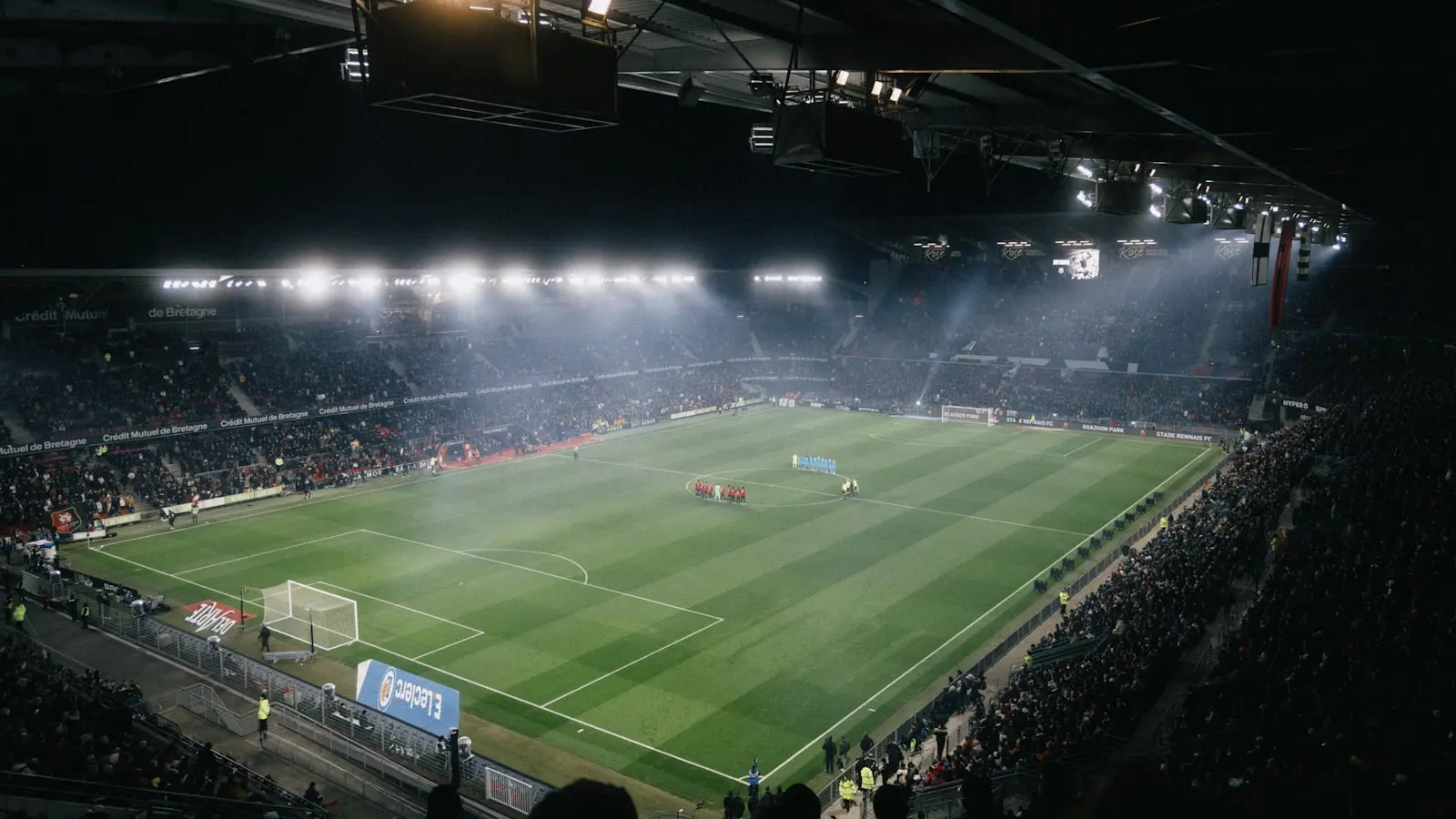
A late kickoff can disrupt an away team even when the journey is short because it turns a direct trip into a longer operational day. Instead of moving from waking and eating to travel, arrival and warm-up, players and staff must manage extra hours of meals, rest, movement, luggage, traffic and venue access.
The issue with a late kickoff away team routine is not that evening football automatically causes poor performance. It is that a longer day creates more decisions, more handoffs and more opportunities for a well-planned schedule to drift.
Key Takeaways
- A late away match adds a long waiting period that must be actively managed rather than treated as spare time.
- Meal timing, hydration, rest and movement become harder to coordinate when kickoff is still hours away.
- Traffic, hotel arrangements and unfamiliar stadium access can remove the buffer before warm-up.
- Teams can control preparation details, but not every road-day disruption.
- Later kickoffs may create performance risks, but they do not by themselves explain an away result.
A late kickoff turns travel into a longer operational day
An early away fixture often follows a compressed sequence: wake, eat, travel, arrive, prepare and play. Problems can still arise, but there is less unstructured time to fill and fewer transitions between the hotel, transport provider, stadium staff and the team’s own support staff.
An evening match opens a longer decision window. A squad that reaches the host city early may need somewhere to leave luggage, eat lunch, hold meetings, rest and stay physically comfortable before returning to the stadium. A group arriving later faces the opposite problem: even a minor delay can cut into the final preparation window.
Hotel checkout is a small detail with wider consequences. If rooms are unavailable in the afternoon, the team needs a suitable alternative space. A lobby, restaurant or coach may be adequate for passing time, but it is not necessarily a useful recovery environment when players need quiet, privacy and room to move.
The football travel schedule also becomes more exposed to changing conditions. Morning traffic can differ sharply from late-afternoon congestion, while weather may affect a coach journey, rail connection or airport transfer. Stadium drop-off points, security routes and accreditation procedures can also be unfamiliar.
Waiting is therefore not simply free time. It is time that has to be planned, supervised and protected from avoidable stress. The better that work is handled, the less visible it is by the time an evening match begins.
Meal timing becomes harder when the match is hours away
Food is one of the clearest challenges in away game preparation. A longer matchday may include breakfast, lunch, a main pre-match meal, fluids and a smaller top-up closer to kickoff. The objective is not one universal timetable; it is to help each player reach the warm-up adequately fuelled and comfortable.
That creates a practical trade-off. Eating too close to the match can leave a player feeling heavy or uncomfortable. Eating too early can create a long gap before kickoff, increasing the need for a snack or drink later in the day. Individual tolerance, medical needs and established habits all shape the plan.
Away teams also have less control over the food environment. A hotel kitchen may have limited service hours, familiar options may be unavailable and dietary requirements need to be communicated accurately. If travel runs late, the question is not simply whether food is available, but whether it can be served, carried and eaten without disrupting the final preparation phase.
Hydration has a similar logistical dimension. Players can manage fluid intake over the day, but repeated coach transfers, limited toilet access or a long wait in a shared space can make ordinary habits inconvenient. Staff must account for those realities rather than treating nutrition as an isolated checklist.
An away team late match adds another fuelling decision. Early kickoffs can be demanding because breakfast and travel are close together. Late starts are demanding because the team must bridge more hours without allowing hunger, over-eating or poor timing to interfere with the warm-up.
Rest can help, but long inactivity can create new problems
Teams may use extra time for controlled recovery: quiet time, short meetings, individual treatment, mobility work or a planned nap when it suits the athlete. Purposeful rest can prevent matchday from becoming an endless wait.
But rest is not the same as inactivity. Sitting in a hotel lobby, on a coach or in a crowded waiting area may conserve effort without providing meaningful recovery. It can leave players stiff, mentally flat or frustrated by the lack of privacy and control.
The matchday routine has to balance conservation with activation. Players need enough downtime to avoid expending energy too early, then enough movement to feel ready when tactical preparation and warm-up begin. That may involve short walks, mobility work or individual activation rather than anything resembling a training session.
Sleep and body-clock effects add another layer, but they should not be overstated. Athletes do not all respond to evening competition in the same way, and previous workload, travel direction, sleep habits and personal preference can matter. A late kickoff may fit one player’s rhythm better than another’s.
It is equally simplistic to assume late kickoff performance must decline because the day is longer. A well-managed overnight stay and controlled afternoon may suit some squads better than a rushed same-day morning trip. The more useful question is whether the schedule supports the team’s established preparation habits.
Venue timing compresses the final hours before kickoff
The final phase is where a manageable long day can become urgent. Teams must move from arrival to the dressing room, treatment, equipment checks, tactical reminders, activation and warm-up. Security, accreditation, designated entry routes and team administration can narrow the practical arrival window further.
Exact requirements vary by competition and stadium. The consistent operational need is a reliable arrival window. An away side cannot assume that parking, the walk to the dressing room or the entry process will resemble its own ground.
This is why a modest journey can still carry risk. If the coach leaves late, hits late-afternoon traffic or reaches an unfamiliar drop-off point, contingency time disappears. A delay may not affect the official kickoff, but it can shorten treatment, reduce calm tactical preparation or force a rushed transition into the warm-up.
Home teams know their stadium’s rhythms: where vehicles arrive, which doors open, how long internal routes take and what the changing-room environment feels like. Away teams can prepare carefully, but they have less direct control over the setting.
A strong late kickoff away team routine protects the final sequence. Staff can assign responsibilities, prepare equipment early, identify transport contingencies and establish clear points at which the squad switches from rest mode to match mode. The aim is not perfection; it is to stop one operational issue from affecting every part of preparation.
Why routines differ by sport and trip type
Football makes the issue especially clear because kickoff is fixed and the pre-match warm-up follows a structured rhythm. Players need time to change, receive treatment if needed, absorb tactical messages and complete physical activation. An evening match extends the day before that fixed final window.
Basketball faces a related but different problem. Later games can involve lengthy arena access windows, frequent travel and crowded competition schedules. Players may need repeated short movement periods during a long pre-game wait, particularly when recovery and onward travel are already part of the next-day plan.
Endurance events change the equation again. The central concern may be a prolonged pre-start holding period, environmental conditions or an athlete’s individual fuelling plan rather than a shared team warm-up. A late start can alter temperature, light, transport to the start area and race-day meal timing, but the operational demands are more individual.
Trip type matters as much as sport. A local coach journey can become difficult when traffic is unpredictable and there is nowhere useful to rest. Rail or air travel adds schedules, transfers, baggage and disruption risk. An overnight stay can give a team more control over the morning, but it also introduces hotel, catering and checkout decisions.
Resources shape the response. Large professional squads may have specialist staff to manage nutrition, medical needs, analysis and logistics in parallel. Smaller clubs and youth sides may have fewer staff, less flexible transport and less control over accommodation. The mechanism is similar, but the margin for solving problems is smaller.
What a changed routine can and cannot tell us about performance
The plausible performance mechanism is straightforward: more hours away from base create more opportunities for friction. Meals can be mistimed, rest can be poor, traffic can tighten the arrival window and players can spend too long inactive before they need to compete intensely.
Many elements remain controllable. Teams can build in buffer time, confirm food arrangements, identify a rest space, pack suitable snacks and fluids, plan movement breaks, prepare equipment in advance and give specific staff responsibility for each transition. These steps cannot remove uncertainty, but they can prevent small issues from compounding.
Other factors sit outside the team’s control. Weather, congestion, delayed transport, venue-access problems and late operational changes can disrupt even a strong plan. The away side’s task is to preserve as much routine as possible when the environment does not cooperate.
Research on kickoff times, home advantage and away results may identify patterns in specific competitions. Those associations are worth considering, but they do not prove that disrupted away routines caused a particular result. Opponent quality, fixture congestion, travel demands, crowd conditions, squad rotation and tactical choices can all influence outcomes.
That distinction matters. A poor away display after an evening kickoff may reflect a preparation issue, but it may also reflect ordinary match variation or a stronger opponent. Routine disruption explains a potential vulnerability, not a verdict.
The central point is simple: late kickoffs change away-team routines because they lengthen the period that must be managed. The challenge is rarely the clock time alone. It is the added meals, waiting, travel decisions, venue handoffs and uncertainty that accumulate before the match begins.
FAQ
Why is a late away match harder to prepare for than an early kickoff?
An evening fixture creates more hours between waking and competition. That adds decisions about meals, rest, luggage, transport, movement and stadium arrival, while an early match often follows a more direct sequence from hotel or home to the venue.
Do late kickoffs make away teams perform worse?
Not automatically. A later start can create more opportunities for routine disruption, but it does not establish that an away team will play poorly or lose. Performance also depends on planning, travel circumstances, player readiness, opponent strength and match-specific factors.
What can teams control in an evening away-game routine?
Teams can plan meal options, transport buffers, rest space, equipment, movement breaks and staff responsibilities. They cannot fully control traffic, weather, unexpected transport delays or venue-access complications, which is why contingency planning matters as much as the original timetable.