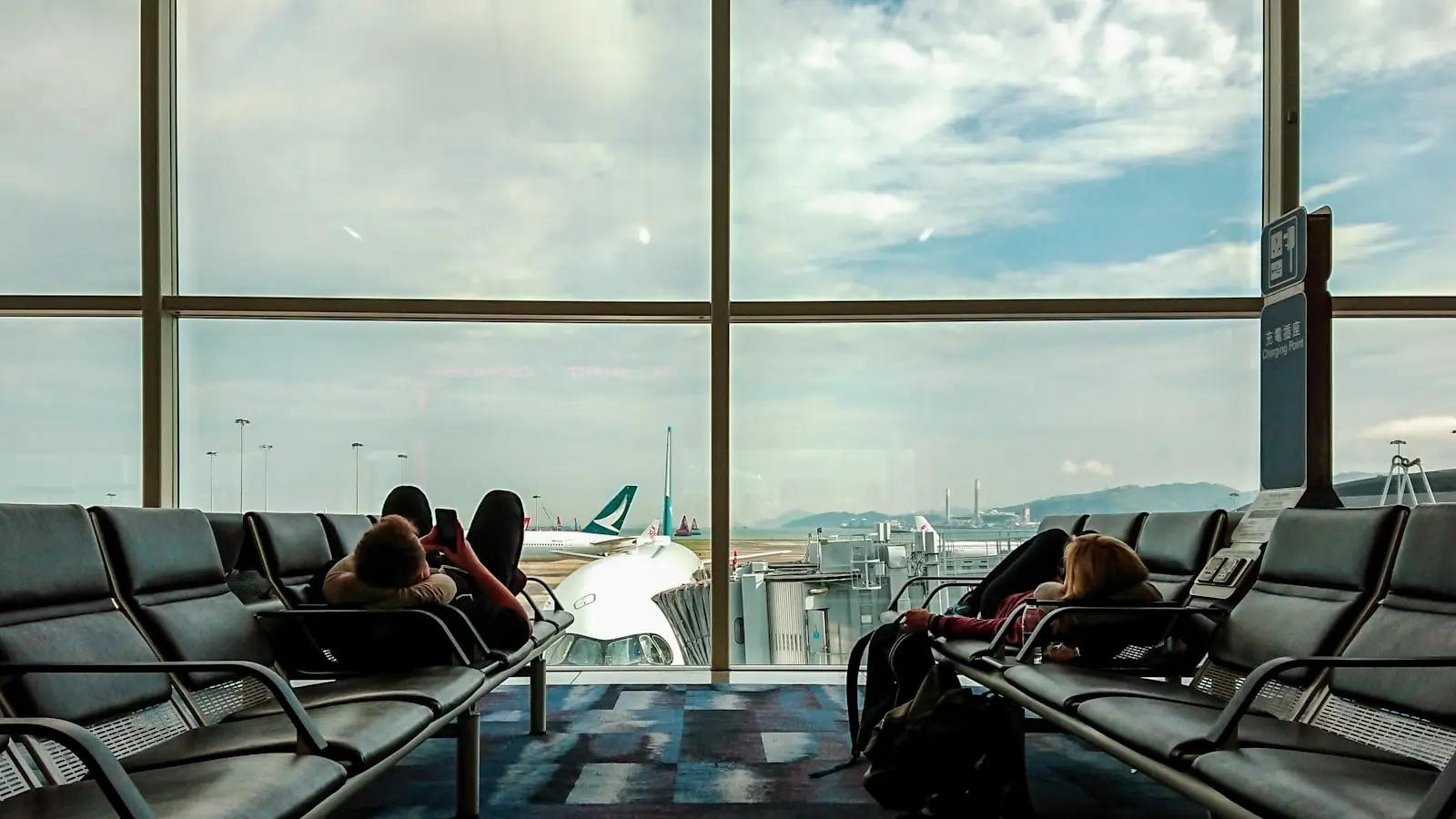
Jet lag and anxiety can overlap after a long-haul holiday. Crossing time zones disrupts sleep and the body clock, which may reduce stress tolerance, impair concentration, and make sensations such as restlessness or a fast heartbeat feel more alarming.
That does not mean jet lag explains every episode of anxiety after flying, or that it automatically signals an anxiety disorder. A demanding journey can also involve illness, alcohol, missed meals, unfamiliar surroundings, financial pressure, and an abrupt return to work. The more useful question is whether circadian disruption is one contributor among several—and whether symptoms ease as routine returns.
Key Takeaways
- Jet lag and lost sleep can plausibly intensify anxiety, irritability, and emotional exhaustion, but they do not explain every symptom after travel.
- Jet lag is a body-clock mismatch caused by crossing time zones; travel fatigue can happen without a major time change.
- Local daylight, regular meals, hydration, gentle activity, and a consistent wake time can support long-haul jet lag recovery.
- Alcohol, late caffeine, illness, sensory overload, and post-vacation pressure can compound travel anxiety after flying.
- Severe, worsening, persistent, or safety-related symptoms should not be written off as jet lag.
What jet lag does to the body clock and why it can feel emotional
Jet lag occurs when you cross time zones faster than your internal body clock can adjust. Your circadian rhythm helps coordinate sleepiness, alertness, appetite, digestion, body temperature, and other daily patterns. After arrival, local daylight, meals, activity, and social schedules may no longer match the time zone your body has been following.
This mismatch can contribute to trouble falling asleep, waking at unhelpful times, daytime sleepiness, low energy, appetite changes, irritability, and reduced focus. These effects can feel emotional because exhaustion makes ordinary tasks require more effort. A delayed train, a crowded airport, or a minor disagreement may feel much harder to manage after several disrupted nights.
Circadian rhythm travel is different from general travel fatigue. Jet lag specifically involves crossing time zones and a mismatch between your body clock and local time. Travel fatigue can follow a long flight, red-eye journey, multiple connections, poor hotel sleep, or an overpacked itinerary even when there is little or no time-zone change.
Both can contribute to post vacation exhaustion. You may return home physically drained and mentally flat despite enjoying the trip. That response is not a personal failure or proof that the holiday was a mistake; it may reflect the abrupt shift from sustained stimulation and logistics back to ordinary responsibilities.
Why sleep disruption can amplify anxiety without fully explaining it
Sleep disruption and anxiety can reinforce each other. Poor or mistimed sleep may make it harder to regulate emotions and put worries in perspective. In turn, anxious thoughts about sleep, work, health, or the next day can make it more difficult to settle down at night.
Tiredness can also change how bodily sensations are interpreted. Hunger, dehydration, muscle tension, stomach discomfort, or a caffeine-related increase in heart rate may feel more urgent when you are exhausted and overstimulated. The sensations are real, but a depleted nervous system may have less capacity to interpret them calmly.
For example, someone who has slept little may notice a racing mind at bedtime and become worried about functioning the next day. That worry can raise physical tension and make sleep even less likely. Recognizing the loop can help: you are overtired and out of routine, and you can support sleep without forcing it.
Still, anxiety after a flight is not proof that jet lag is the only cause. It may relate to an existing anxiety pattern, a stressful event during travel, illness, medication changes, or several factors at once. Likewise, jet lag does not mean someone has an anxiety disorder.
Factors beyond time zones that can worsen travel anxiety after flying
Long-distance travel often stacks stressors. Dehydration, skipped meals, alcohol, caffeine used to push through fatigue, pain, infection, and reduced movement can all affect how you feel physically. When sleep is already disrupted, these effects may be easier to experience as escalating anxiety.
The setting can matter too. Airports, immigration lines, crowded transit, unfamiliar languages, noise, heat, and tightly scheduled plans can create sustained sensory and logistical strain. Even a positive trip may carry pressure to make the most of limited time or justify the cost, leaving little room for recovery.
Travel anxiety after flying may also become more noticeable after returning home. Work backlogs, family obligations, financial concerns, laundry, and immediate early alarms can remove the recovery time your body needs. The emotional dip may be less about the destination than about the sudden return to normal demands.
A brief self-check can help clarify the pattern:
- Did the anxiety, low mood, or sleep trouble begin before the trip?
- Are symptoms gradually easing with regular meals, rest, daylight, and familiar routines?
- Is one factor, such as alcohol, illness, late caffeine, or a specific worry, clearly making symptoms worse?
- Are symptoms interfering with work, relationships, self-care, or your ability to sleep?
People who already manage insomnia, panic symptoms, mood concerns, or anxiety may find time-zone changes more disruptive. That does not mean they must avoid travel, but a slower arrival schedule and an individualized plan may be helpful.
A realistic first-three-days reset for long-haul jet lag recovery
The goal of long haul jet lag recovery is not to force an immediate reset. It is to give your body steady local-time cues while reducing unnecessary strain. Keep plans flexible, especially after crossing several time zones or sleeping poorly in transit.
On arrival, lower the bar. Prioritize safe transportation, water, regular food, and a quiet place to rest. Gentle movement, such as a short walk if you feel well enough, may be more manageable than trying to push through a demanding schedule. Spend time outdoors when feasible; daylight is an important body-clock cue, although the most useful timing can vary by travel direction and individual sleep patterns.
On day 1, use local routines as anchors. Eat at broadly local meal times and choose a reasonable local wake time for the following morning. If you are extremely sleepy, a brief rest may be more practical than fighting fatigue, but extended daytime sleep can make nighttime sleep harder for some people. One poor night does not mean the trip or recovery is ruined.
On days 2 and 3, prioritize consistency. Keep wake time, meals, light exposure, and activity reasonably steady. Add normal exercise or sightseeing gradually rather than treating exhaustion as something to overcome with willpower. Protect a realistic opportunity for sleep with a cool, dark, quiet environment when possible, a wind-down period, and fewer late commitments.
Use caffeine thoughtfully. A modest amount earlier in the local day may help alertness for some people. Later use can interfere with sleep or worsen jitteriness in people who are sensitive to it. If caffeine seems to trigger racing thoughts, tremor, palpitations, or insomnia, cutting back is a sensible experiment.
Be cautious with alcohol and late-night screens. Alcohol may make you feel sleepy at first but can disrupt sleep later in the night. Bright screens and emotionally activating content can also make winding down more difficult. Neither is necessarily the sole cause of anxiety, but both can add friction to an already disrupted sleep schedule.
Avoid a one-size-fits-all melatonin plan. Melatonin may be appropriate for some travelers, but timing, medication interactions, health conditions, and individual circumstances matter. Speak with a clinician or pharmacist before using it, particularly if you take regular medication, are pregnant, manage a chronic condition, or have experienced significant mood symptoms.
When anxiety after travel needs more than a jet-lag reset
A temporary period of fatigue, irritability, or emotional sensitivity can happen during adjustment after a long trip. But severe symptoms should not be dismissed as jet lag, and persistent symptoms deserve assessment rather than repeated attempts to manage them with sleep routines alone.
Seek prompt clinical advice if anxiety feels intense, is worsening rather than improving, repeatedly prevents sleep, or significantly affects daily functioning. It is also reasonable to seek help if the response feels unlike your usual reaction to travel, or if you have a history of panic, depression, bipolar disorder, or another mental-health condition.
Urgent help is needed for thoughts of self-harm, feeling unsafe, severe confusion, chest pain, trouble breathing, fainting, or other acute physical symptoms. Do not self-attribute these signs to anxiety or jet lag. Contact local emergency services or urgent medical care, and seek immediate support from someone nearby if safety is a concern.
The balanced view is simple: disrupted sleep and circadian misalignment can make anxiety feel louder after a long-haul flight, but they are not a complete explanation for every symptom. A gentler schedule, regular local-time cues, food, fluids, daylight, and sleep opportunity can support adjustment. When distress is severe, persistent, or concerning, professional support is the appropriate next step.
FAQ
Can jet lag trigger panic attacks?
Jet lag and sleep loss may increase vulnerability to anxiety sensations in some people, particularly if they already experience panic or are under substantial stress. But a panic attack should not automatically be blamed on travel disruption. New, severe, or unusual symptoms deserve medical assessment, especially when physical symptoms could have another cause.
How long can anxiety from jet lag last after a long-haul flight?
There is no universal timeline. Adjustment can take time after crossing multiple time zones, and recovery may be slower when sleep loss, illness, alcohol, work pressure, or pre-existing anxiety are involved. What matters is whether symptoms gradually improve as regular sleep and daily routines return. If they persist, worsen, or impair functioning, seek clinical advice.
Is melatonin safe to use for jet lag and anxiety?
Melatonin is not suitable for everyone, and it is not a treatment for anxiety itself. It can interact with medications and may be inappropriate in some circumstances. Speak with a clinician or pharmacist before using it rather than relying on a generic travel recommendation.