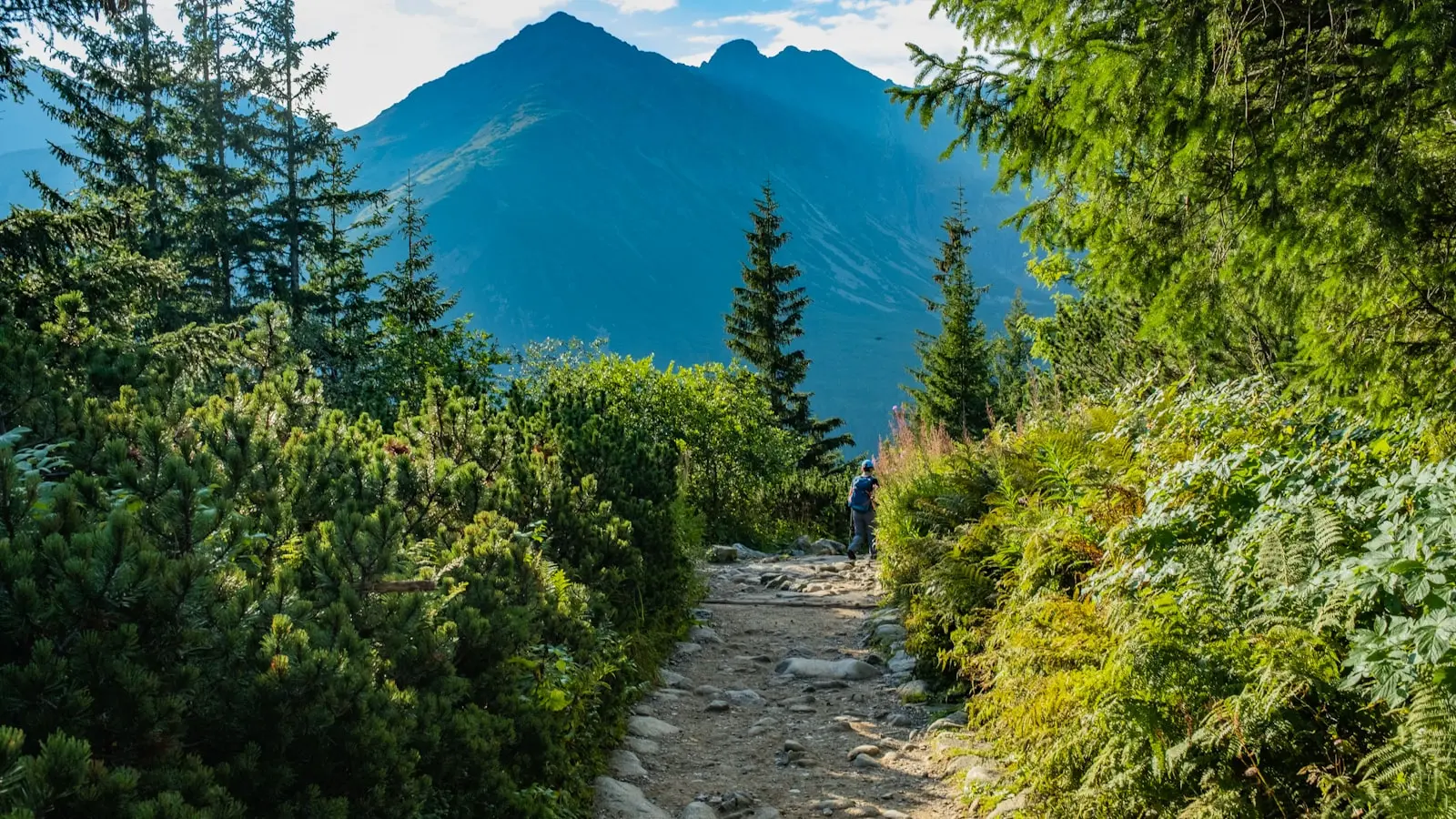
Altitude sickness (acute mountain sickness, or AMS) is a serious risk above 2,500 meters. Proper preparation and a cautious approach can make the difference between a safe, enjoyable hike and a trip-ending illness.
Key Takeaways
- Ascend gradually: above 2,500 m, increase sleeping altitude by no more than 300–500 m per day.
- Stay hydrated and eat extra carbohydrates; avoid alcohol and sleeping pills for the first 48 hours.
- Consider prescription Diamox (acetazolamide) if you have a history of AMS or are making a rapid ascent, but always consult a doctor first.
- Recognize early symptoms: a persistent headache, nausea, or dizziness that worsens with exertion. If symptoms do not improve after resting, descend immediately.
- The definitive treatment for severe altitude illness is descent – do not wait or rely on supplemental oxygen alone.
Understanding Altitude Zones and Your Risk Threshold
Medical guidelines define three altitude zones: high altitude (2,500–3,500 m), very high altitude (3,500–5,500 m), and extreme altitude (above 5,500 m). Risk of AMS begins above 2,500 m, but individual susceptibility varies.
At these elevations, the partial pressure of oxygen drops. Your body responds by breathing faster, but if you ascend too quickly, your body cannot adapt fast enough, leading to fluid retention and hypoxia. This is the core mechanism behind altitude sickness.
A common misconception is that being young or fit offers protection. It does not – elite athletes can develop AMS if they push too hard or ascend too fast. Fitness helps with endurance but does not prevent the physiological response to low oxygen.
The Golden Rule: Slow Ascent and Acclimatization
The single most effective way to prevent altitude sickness is to control your rate of ascent. Above 2,500 m, do not increase your sleeping altitude by more than 300 to 500 meters per day. Your sleeping altitude – where you spend the night – is the critical measure, not the highest point you reach during the day.
Plan a rest day every two to three days of climbing. At altitudes above 4,267 m (14,000 ft), guidelines suggest two rest days per 1,000 feet of additional gain. These rest days allow your body to produce more red blood cells and adjust to lower oxygen.
A practical strategy is “climb high, sleep low.” Take day hikes to higher elevations, then descend to a lower altitude to sleep. This stimulates acclimatization without overstressing your body overnight.
Pre-trip conditioning helps with overall stamina but does not substitute for slow ascent. Focus on cardiovascular exercise in the months before your hike, but even the fittest hikers must follow the same altitude rules.
Hydration, Nutrition, and Lifestyle Adjustments
Dehydration worsens altitude illness because it impairs your body’s ability to regulate temperature and acidity. Start your hike well-hydrated: drink 14 to 22 ounces of water about two hours before you begin. During hiking, aim for 6 to 12 ounces of water or sports drink every 15 to 20 minutes. After the hike, continue rehydrating to replace lost fluids.
Drink to thirst – do not overhydrate. Drinking more than your body needs does not prevent altitude sickness and can lead to hyponatremia.
Nutrition also matters. At altitude, your body burns more calories and prefers carbohydrates for fuel. Increase your carbohydrate intake to about 60–70% of total calories. Pack high-energy snacks like whole grains, dried fruit, and energy bars.
Avoid alcohol, tobacco, and sleeping pills for at least the first 48 hours at high altitude. Alcohol and sleeping pills suppress breathing, worsening nocturnal hypoxia. Smoking reduces oxygen uptake and should be avoided entirely during your trip.
When to Use Medication: Diamox and Alternatives
Diamox (acetazolamide) is a prescription medication that helps prevent AMS. It works by making your blood more acidic, which stimulates breathing and speeds acclimatization. The typical dose is 125–250 mg twice daily, starting one day before ascent and continuing for at least two days after reaching your highest altitude.
Common side effects include tingling in the fingers and toes, frequent urination, and a metallic taste. These are usually harmless but can be bothersome. Diamox is contraindicated for people with sulfa allergies, kidney disease, or certain electrolyte imbalances. Always consult a healthcare provider before using it.
Some recent studies suggest ibuprofen may help reduce symptom severity, but it is not FDA-approved for prevention and should not replace proven methods like slow ascent.
Medication is a supplement to – not a replacement for – gradual acclimatization. If you fly directly to a high-altitude destination (e.g., Cusco, Peru at 3,350 m), you are at higher risk and may benefit from Diamox, but you must still follow the slow-ascent rule for further travel.
Early Symptom Recognition and Emergency Response
The first signs of AMS are headache, nausea, dizziness, fatigue, and loss of appetite. A headache that does not respond to over-the-counter pain relievers and worsens with exertion is a classic early sign.
If you experience mild symptoms, halt your ascent and rest at the same altitude. Do not continue upward until symptoms resolve. If symptoms do not improve or get worse within a few hours, descend immediately. The “golden rule” of altitude safety is: “If symptoms worsen, descend.”
Severe forms require urgent action. High-Altitude Cerebral Edema (HACE) causes ataxia (loss of coordination), confusion, and changes in consciousness. High-Altitude Pulmonary Edema (HAPE) presents with a persistent cough, breathlessness even at rest, and chest tightness. Both can be fatal within hours.
If you or a companion show signs of HACE or HAPE, descend at least 300–500 meters immediately. Use a portable hyperbaric chamber if available, but understand that it is a temporary measure – descent is the definitive treatment. Never leave a person with severe altitude illness alone. Know the evacuation routes and have a communication device before you start.
Frequently Asked Questions
Can I prevent altitude sickness by breathing extra oxygen or taking supplements like Ginkgo biloba?
Supplemental oxygen can relieve symptoms but does not help your body acclimatize – it is a treatment, not a preventive tool. Ginkgo biloba lacks strong evidence and is not recommended as a substitute for proven methods like gradual ascent and proper hydration.
How long does it take to acclimate to high altitude?
Most people need one to three days at 2,500–3,000 m before making further ascents. Full acclimatization at extreme altitudes (above 5,500 m) can take weeks. For each additional 1,000 m above 3,000 m, plan extra rest days. Time at altitude is the only proven way to acclimate.
Is Diamox safe for everyone? What if I want to avoid medication?
Diamox is generally safe when prescribed, but it is not suitable for people with sulfa allergies, kidney disease, or certain electrolyte disorders. If you prefer to avoid medication, you can still prevent altitude sickness through slow ascent, staying well-hydrated, eating plenty of carbohydrates, and following the “climb high, sleep low” principle. Most importantly, listen to your body and descend if symptoms develop.