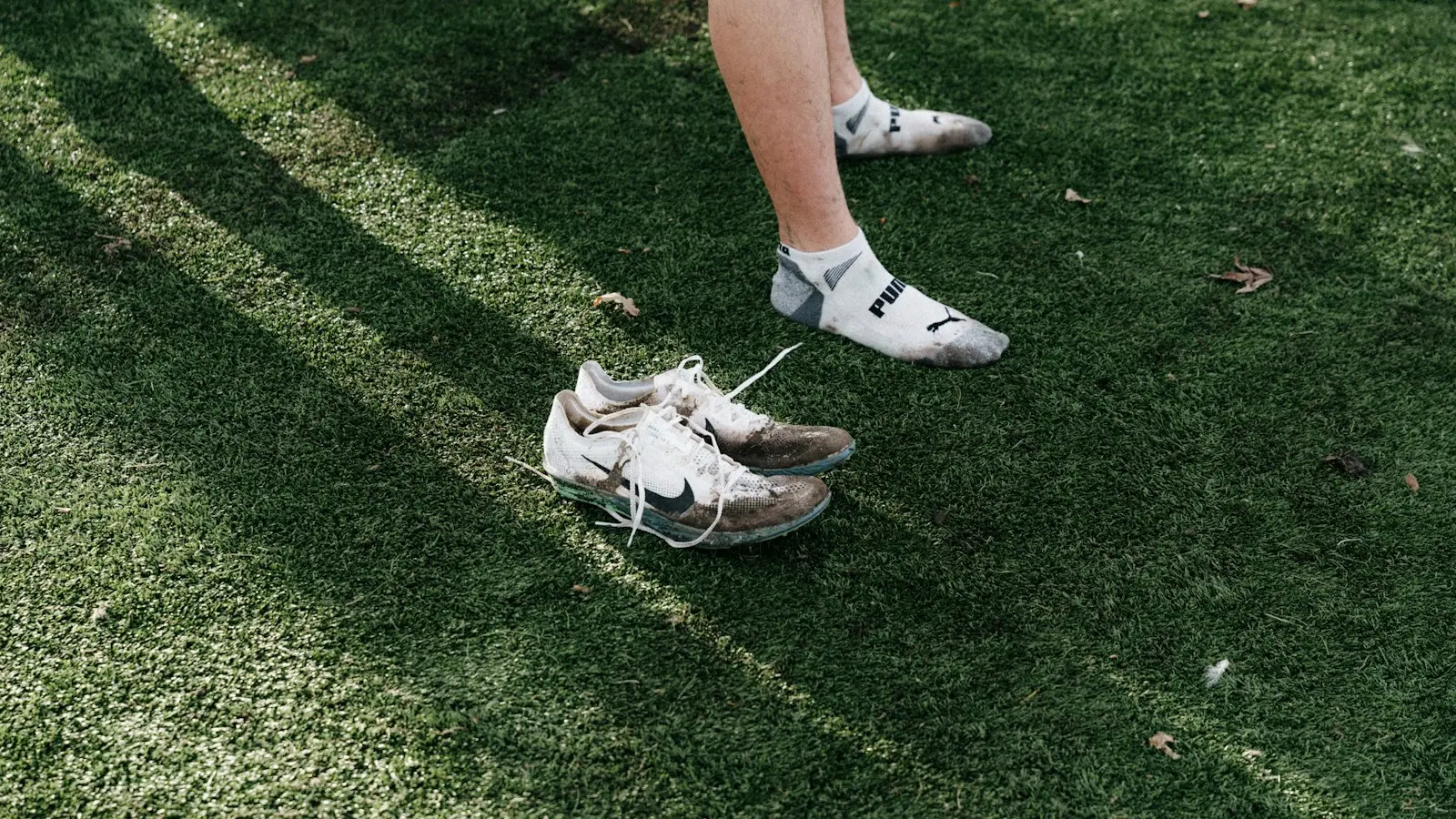
Expensive running shoes are worth it for casual runners only when their specific benefits match how you run. Premium foam, lighter construction, improved ventilation, specialized stability features, or a racing plate can improve a particular experience, but a higher price does not automatically mean better comfort, durability, injury protection, or performance.
For most recreational runners, a well-fitting daily trainer in the middle of the market is a sensible starting point. A premium shoe may make more sense if you run frequently, need a particular fit, prefer a certain cushioning feel, have a race goal, or find that its construction remains comfortable over more miles. The decision should begin with use and fit, not the price tag.
Key Takeaways
- Price alone does not determine whether a running shoe is a good value.
- Fit, comfort, intended use, and surface should come before advanced features.
- Carbon plates and racing-focused designs are not automatically better for everyday running.
- Compare shoes by expected use and cost per mile, not just their list price.
- Persistent pain or an existing injury requires qualified professional guidance rather than a more expensive shoe.
What You Are Actually Paying for in an Expensive Running Shoe
Running shoe prices vary by brand, region, release cycle, materials, and discounts, so fixed price categories quickly become outdated. In a running shoe price comparison, it is more useful to compare what a model is designed to do than to treat its list price as a quality score.
A premium price may reflect a more advanced foam formulation. Manufacturers can use different foam densities, blends, or production methods to alter weight, resilience, softness, and stability. A lighter foam may make a shoe feel quicker, while a more structured or resilient compound may be intended for repeated training. Neither characteristic guarantees that every runner will prefer it.
Some expensive models also include carbon-fiber or composite plates, curved geometry, or other propulsion-focused features. These components can change how a shoe bends and how force is distributed through the stride. They are engineering choices, not automatic upgrades for ordinary jogging.
The upper can also add cost. Thin technical mesh, a more precise fit system, reinforced areas, improved breathability, and more complex construction may make a shoe feel lighter or more secure. Conversely, a delicate upper can have different durability trade-offs from a heavier, simpler one.
Outsole rubber, manufacturing complexity, research and development, branding, and limited production can all contribute to the final price. Marketing terms such as “maximum protection” or “energy return,” however, should be treated as descriptions of intent rather than proof of a superior outcome.
A useful comparison asks three questions: What feature is responsible for the extra cost? Will I notice or use it? Does it justify the trade-off in weight, firmness, stability, durability, or price? That approach is more reliable than assuming the most technologically advanced shoe is the best running shoe for casual runners.
Daily Trainers, Lightweight Shoes, Stability Models, and Racing Shoes Compared
The best running shoes for casual runners are usually versatile enough for the sessions they actually complete. The main categories overlap, but their practical roles differ.
Daily trainers are general-purpose shoes for easy runs, regular mileage, and sometimes walking or gym use. They typically prioritize a balance of cushioning, flexibility, stability, and durability. For a runner who goes out a few times a week without a specific race target, this category often offers the clearest value.
Lightweight shoes emphasize a quicker, less noticeable feel. They may suit faster workouts or runners who dislike a bulky shoe. The trade-off can be less cushioning, a firmer ride, reduced upper protection, or faster wear, although those differences vary by design. A lightweight shoe is not automatically less comfortable; it simply puts a different priority on the running experience.
Stability models add guidance through features such as shaped foam, sidewalls, rails, or changes in the platform. These designs may feel reassuring or more controlled for some runners, especially when they match the runner’s foot shape and stride. They are not automatically necessary because a runner has been given a broad gait label, and they should not be selected solely because they cost more.
Racing shoes are designed around speed and competition. They may combine light materials, highly resilient foam, a stiff plate, and geometry intended to support fast running. These features can be useful during races or selected workouts, but they can also feel unstable, overly aggressive, awkward at slower paces, or less comfortable for everyday use.
That is the central issue with carbon plate shoes for everyday running. A plate may suit a runner who enjoys the feel, trains consistently at faster paces, and accepts the cost and handling characteristics. Another casual runner may find the shoe unnecessarily stiff or difficult to control on easy runs. Training frequency, pace, surface, comfort, and personal preference matter more than the presence of the plate.
There is no universal rule that racing shoes are either essential or unsuitable for daily use. Their value depends on whether the design helps the runner complete intended sessions comfortably and consistently.
Fit, Comfort, Cushioning, and Injury Context Matter More Than Price
Fit should be the first screening criterion in any decision about how to choose running shoes. The shoe should provide enough length for the toes, suitable width across the forefoot, a secure heel hold, and no pressure points when the foot is loaded. A technically impressive shoe that rubs, pinches, or allows the heel to slide is a poor choice regardless of its price.
Try shoes with the socks you normally run in, ideally after some movement. Walk and, where possible, jog in them. A short test run can reveal issues that are invisible when standing still, including heel movement, forefoot pressure, or discomfort that appears only after repeated steps.
Running shoe cushioning is a preference and use-case issue, not a guaranteed injury-prevention feature. A softer shoe may feel comfortable to one runner and unstable or vague to another. A firmer shoe may feel efficient and controlled to one person but harsh to someone else. Surface, distance, pace, body tolerance, and training history all influence that response.
High stack height, soft foam, or a premium label should not be treated as proof that a shoe protects joints or prevents pain. Similarly, a stability feature should not be considered a treatment for a diagnosed problem. Shoes can influence comfort and loading sensations, but they do not replace a clinical assessment.
If pain keeps returning, changes suddenly, affects normal walking, or follows a known injury, seek qualified medical or sports-medicine guidance. The right shoe may be part of a broader return-to-running plan, but choosing a more expensive model alone cannot solve an existing injury.
Durability and Cost per Mile
Price becomes easier to evaluate when converted into cost per use. The simple calculation is:
Purchase cost ÷ usable miles = cost per mile
For example, a hypothetical $160 shoe that remains comfortable for 400 miles costs $0.40 per mile. A $100 shoe that stops meeting your needs after 200 miles costs $0.50 per mile. These are illustrations, not universal durability forecasts, because actual lifespan varies substantially.
A cheaper shoe can still be the better value if it fits well, performs adequately, and costs less over the period you use it. A premium shoe may offer stronger value when its comfort encourages consistent running, its construction suits high mileage, or its outsole and midsole remain functional longer. The more expensive option is not automatically more durable; lightweight uppers and racing-focused materials can introduce their own compromises.
Durability depends on outsole rubber, foam compression, upper construction, runner weight, stride, weather, cleaning habits, mileage, and surface. Asphalt, concrete, trails, treadmills, heat, rain, and rough paths do not place identical demands on a shoe. Durability testing can help compare specific models, but results reflect the tested shoe, mileage, method, and surface rather than every runner’s experience.
Look for practical replacement signals rather than relying on a universal mileage number. Worn tread, exposed or uneven outsole areas, visible creasing or structural breakdown, a clear loss of comfort, changes in fit, or recurring discomfort can all justify a closer inspection. If a shoe still feels stable and comfortable, a calendar date or marketing claim should not decide its replacement by itself.
A Practical Buying Framework for Casual Runners
Start by defining the job. Are you buying for occasional jogging, easy runs several times a week, walking, mixed gym use, faster workouts, or a race? A casual runner who mostly completes relaxed pavement runs needs a different balance from someone training for a longer event.
Next, set a realistic budget and compare several shoes within it. Include discounted previous-season models if their fit and condition are suitable. Older models can offer strong value, but confirm that the shoe is new, appropriate for your needs, and covered by a reliable return policy.
Then prioritize fit and immediate comfort. Do not let a carbon plate, high stack, elite-athlete endorsement, or impressive technical description outweigh pinching, slipping, rubbing, or unwanted instability. The shoe should feel acceptable at the pace and on the surface where you will use it.
Match cushioning and flexibility to your preferences rather than chasing a label. Runners who spend most of their time on roads may want a different outsole and platform from those using packed trails. Someone running short, slow sessions may not benefit from paying for features designed around faster running, while a higher-mileage runner may value the weight, foam, or breathability improvements of a premium design.
Finally, estimate value through expected use. Ask how often the specialized features will be used, whether the shoe is readily replaceable, and whether its likely durability justifies the initial cost. If the answer depends on a performance claim, check whether that claim comes from a current specification, a transparent independent test, or simply promotional language.
For most recreational runners, a comfortable mid-priced daily trainer is the logical first choice. A premium model may be worthwhile for a specific fit, preferred cushioning, frequent mileage, race goal, or specialized training requirement. The most expensive option is not automatically the best option; the best value is the shoe that fits, feels comfortable, suits the training task, and remains useful long enough to justify its cost.
FAQ About Expensive Running Shoes and Casual Running
Are expensive running shoes worth it for beginner or casual runners?
Sometimes, but not by default. A premium shoe is worthwhile when its fit, comfort, durability, or specialized design solves a real need. For many beginners, a well-fitting daily trainer provides enough performance without paying for racing features.
Are carbon plate shoes suitable for everyday running?
They can be suitable for some runners, but they are not required for everyday training. Their stiffness, geometry, price, and handling may suit certain paces and preferences while feeling uncomfortable or unnecessary to others. Test the shoe for its intended use rather than assuming the plate is an upgrade.
How should I choose running shoes if price, cushioning, and fit all matter?
Use fit as the first filter, then assess comfort at your normal pace and on your usual surface. Compare cushioning and stability by feel, consider expected mileage, and calculate approximate cost per mile. If persistent pain or an injury is involved, get qualified professional guidance instead of treating footwear as a medical solution.