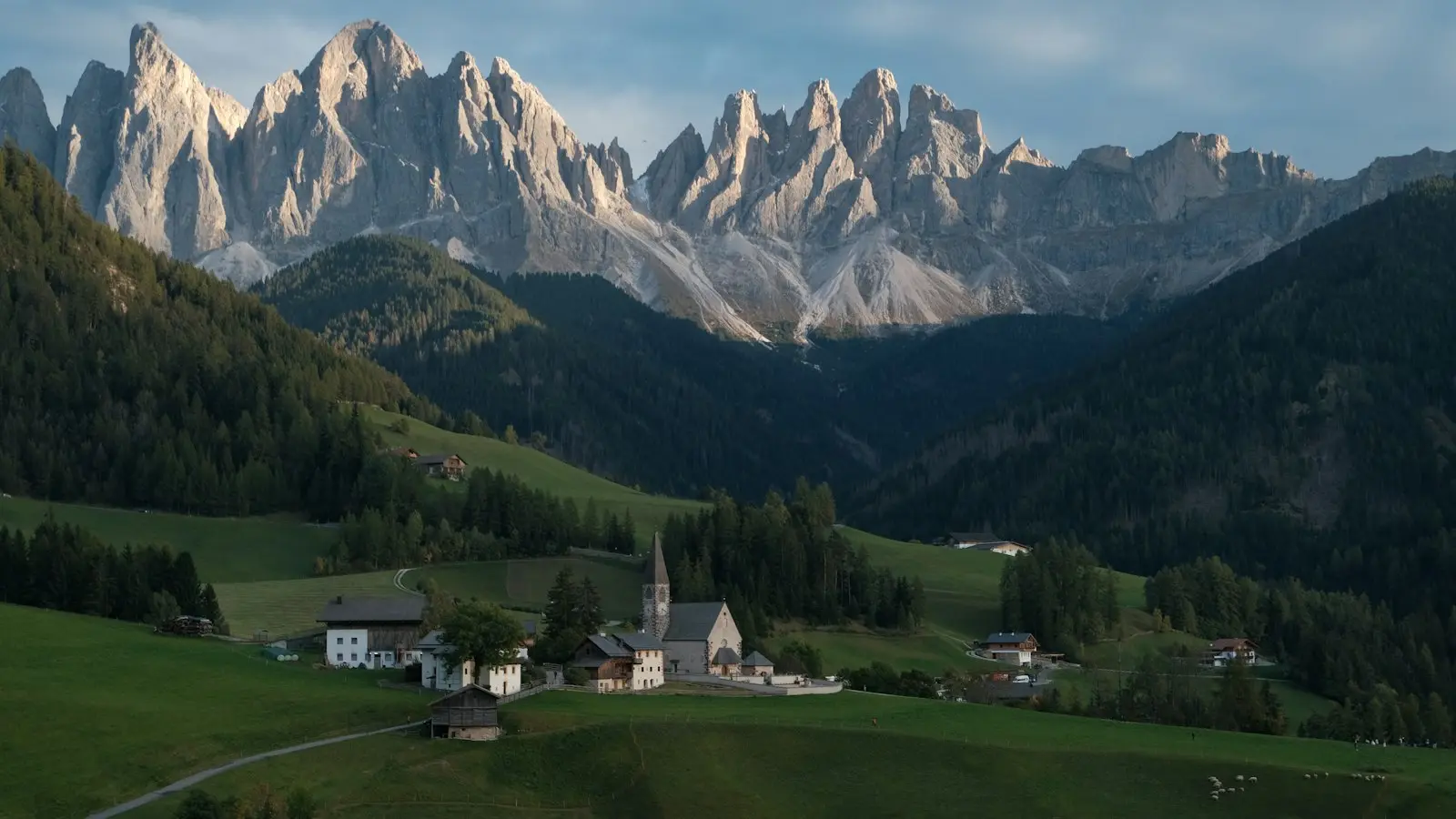
Austria is usually the strongest all-round Switzerland alternative for travelers who want mountain villages, lakes, polished infrastructure, and useful rail connections. Slovenia often offers strong value for concentrated alpine scenery, while South Tyrol and the Dolomites suit travelers who care most about dramatic peaks and food. France and Germany can be excellent choices too, but their value depends heavily on the exact valley or town.
The important distinction is that “cheaper than Switzerland” does not simply mean finding a lower hotel rate. A realistic comparison must include meals, trains or buses, cable cars, parking, transfers, and the time required to reach viewpoints. The best choice depends on which part of the Swiss experience you want to preserve.
Key Takeaways
- Austria is the most balanced alternative for villages, lakes, public transport, and family-friendly sightseeing.
- Slovenia can offer excellent value for lakes, forests, hiking, and compact alpine scenery, but rural travel may require more planning.
- South Tyrol and the Dolomites deliver distinctive, dramatic peaks and strong food culture rather than a direct Swiss replica.
- France and Germany can be cheaper, but savings depend on the specific base and may shrink after adding transfers, parking, fuel, or lifts.
- Compare the full trip cost—not just accommodation—before deciding whether an alternative is genuinely cheaper.
What Makes a Destination Feel Swiss and What Cheaper Should Mean
Switzerland’s appeal is a combination of qualities rather than one landmark. Travelers often want steep alpine scenery, clear lakes, tidy villages, easy walking, scenic trains, dependable public transport, and simple access to mountain viewpoints. A destination can match the landscape but feel very different if attractions are spread across valleys or require a car.
That is why the best Switzerland alternatives in Europe fall into three categories. A true lower-cost alternative offers a similar experience with generally lower daily prices. A logistical bargain has cheaper rooms and meals but demands more planning, driving, or paid transfers. A complementary destination provides a different alpine character that may be more rewarding than an imitation.
Use the same assumptions when comparing places: a shoulder-season trip, a similar standard of accommodation, ordinary restaurant meals, intercity travel, local transport, one or two major excursions, and any necessary lifts or transfers. Famous lake towns, ski resorts, and signature viewpoints should be treated separately from the wider region because their prices can approach Swiss levels.
Austria Is the Strongest All-Round Alternative
Austria comes closest to the overall rhythm many travelers associate with Switzerland. Tyrol offers mountain villages and hiking access; Salzburg and the Salzkammergut add lakes, historic towns, and dramatic backdrops. The country also has a broad rail and bus network, making it one of the more practical affordable Alps vacations for visitors without a car.
The visual match is particularly strong around lakeside settlements and traditional villages. Austria may feel less uniformly immaculate than Switzerland, but it often provides a similar sense of order, walkability, and access to outdoor scenery. Families benefit from the combination of manageable towns, cable-car areas, and public transport, while first-time Alpine travelers can build a trip without constantly changing vehicles.
Accommodation and dining are often better value than in Switzerland, particularly away from the most famous resorts. That advantage narrows in places such as Hallstatt, major ski bases, and highly sought-after lake districts. Cable cars, mountain restaurants, and summer weekend demand can also make a day in Austria considerably more expensive than the room rate suggests.
Austria is the best fit for rail-based sightseers, families, and travelers who want polished infrastructure without paying Swiss prices everywhere. It cannot fully reproduce Switzerland’s particular combination of high mountain railways, famous panoramic routes, and tightly connected resort towns. If your dream itinerary depends on several iconic Swiss viewpoints reached by train, Austria may be a close cousin rather than a substitute.
Slovenia Offers Strong Value for Alpine Scenery
Slovenia is among the strongest Swiss scenery alternatives for travelers who prioritize lakes, forests, hiking, and photography. The Julian Alps, Lake Bled, Lake Bohinj, Kranjska Gora, and nearby valleys place striking scenery within a relatively compact area. A short trip can combine a famous lake, mountain roads, forest trails, and alpine viewpoints without crossing a national border every day.
The emotional appeal is different from Switzerland but no less compelling. Slovenia tends to feel more intimate and less engineered for grand rail tourism. Lake Bohinj is quieter and more nature-focused than Bled, while Kranjska Gora works well as a base for mountain walks and excursions. The villages and landscapes can look distinctly Alpine without reproducing Swiss architecture town for town.
Daily costs are generally lower than in Switzerland, particularly for food and accommodation outside the most popular lake locations. Yet transport is the central compromise. Rail coverage is not as useful for connecting every scenic base, and rural sightseeing may require buses, taxis, organized transfers, or a rental car. Even when public transport is available, schedules and connections may make a compact-looking itinerary take longer than expected.
Slovenia suits hikers, photographers, couples, and travelers who value concentrated scenery over seamless rail travel. Peak summer can reduce the savings around Bled and other popular sites, while changeable mountain weather may make a carefully planned viewpoint unavailable. The country offers some of the best Switzerland alternatives for scenery per day, but not necessarily the most convenient sightseeing network.
The Dolomites Add Dramatic Peaks and Distinctive Culture
The Dolomites offer a visual experience that Switzerland cannot simply duplicate. Pale, jagged rock formations rise above meadows, forests, and villages, creating some of Europe’s most distinctive mountain scenery. South Tyrol adds orderly towns, well-maintained trails, cable-car access, and a blend of Italian and German-speaking cultural traditions.
This region can feel highly organized and comfortable, but it is not a Swiss replica. Food is a major part of the appeal, with Alpine and Italian influences appearing in the same itinerary. Towns such as Bolzano, Merano, and smaller mountain bases offer a different architectural and culinary identity from the lakeside villages and resort landscapes of Switzerland.
Lodging and meals can be cheaper than in Switzerland under comparable conditions, particularly if you stay in a larger town rather than directly beside a famous trailhead. The calculation changes once you add lifts, transfers, fuel, parking, and resort premiums. Attractions are also dispersed, and road traffic can be significant during popular hiking periods. Some connections are convenient, but late-day travel between valleys may be less forgiving than a Swiss rail itinerary.
The Dolomites are best for hikers, photographers, and food-focused travelers who want dramatic peaks rather than classic Swiss panoramas. They are less suitable for visitors who want to move effortlessly between many villages without checking road conditions or transport details. The reward is a highly distinctive alpine holiday, not a lower-priced copy.
France and Germany Depend on the Exact Base
The French Alps and Bavarian Alps are useful targeted alternatives, but neither should be treated as a universal replacement for Switzerland. The French side offers large mountain landscapes, established hiking areas, and resort infrastructure. Depending on the valley, it can work well for hikers and travelers who prefer a self-contained base with access to extensive outdoor activities.
The trade-off is that French Alpine destinations can be spread out, and public transport varies sharply between towns. A lower room rate may disappear after adding a long transfer, car hire, parking, or lift tickets. Some resorts are also priced for peak-season demand, particularly during school holidays and major summer or winter periods.
Bavaria is a stronger match for travelers seeking lakes, traditional architecture, castles, and easy access from major cities. Towns around the Bavarian Alps can provide charming streets and mountain views without the cost structure of Switzerland, especially when visited on weekdays or outside peak periods. The region is attractive to families and short-break travelers who want a combination of culture and scenery.
Germany’s limitation is that the most picturesque destinations may still be busy and expensive, while quieter bases may require more local travel. Bavarian transport can be useful, but mountain excursions are not always as direct as travelers expect from Swiss rail itineraries. France and Germany are therefore best chosen by region and itinerary, not by country-wide assumptions.
Compare the Full Trip Before Choosing
For travelers without a rental car, Austria is usually the safest choice. It offers a strong balance of rail, buses, walkable bases, and mountain access. Switzerland may still be easier for a short, multi-stop trip because its transport network can save planning time, even when the tickets cost more.
For hikers, Slovenia and the Dolomites are especially compelling. Slovenia offers concentrated landscapes and potentially lower daily costs; the Dolomites offer more dramatic rock formations and a strong trail-and-lift culture. Both require closer attention to weather, seasonal operations, and the distance between trailheads.
Photographers should choose according to the image they want. Slovenia is strong for lakes, forests, and compact viewpoints. The Dolomites deliver angular peaks and changing light. Austria is better for a broad mixture of villages, lakes, and accessible mountain scenes, while Bavaria adds castles and traditional architecture.
Families may find Austria or Bavaria easier because of walkable towns, varied attractions, and relatively straightforward connections. Charming-town seekers should compare specific bases rather than countries. A famous resort or lake town can be expensive anywhere, while a nearby village may provide much of the atmosphere with lower accommodation costs.
To test whether the savings are real, build a simple trip basket before booking. Include the room, breakfast or groceries, restaurant meals, intercity travel, local buses or trains, one major lift, parking or fuel if needed, and transfers from the nearest airport or station. Then consider weather risk: an expensive cable-car outing is poor value if clouds cancel the view, while a car-dependent itinerary can become costly when roads or parking are congested.
Season matters just as much. Shoulder-season travel can lower lodging costs, but some lifts, mountain huts, buses, and attractions may operate on reduced schedules. Peak summer improves access but raises demand and crowding. Advance booking helps in popular towns, although rigid plans can be risky in mountain weather.
Switzerland can justify its premium when your priority is seamless rail travel, famous panoramic routes, or several major viewpoints in a short itinerary. Paying more may also make sense when arriving in a village, boarding a train, and reaching a mountain station without a car is central to the experience.
For most travelers, the practical verdict is straightforward: choose Austria for balance, Slovenia for compact value, the Dolomites for distinctive peaks, Bavaria for lakes and traditional towns, and France for a carefully selected hiking or resort base. These are the best Switzerland alternatives not because they reproduce every Swiss feature, but because each preserves a different part of the experience at a potentially lower total cost.
FAQ
Is Austria the closest cheaper alternative to Switzerland?
For the broadest combination of villages, lakes, hiking, rail travel, and reliable infrastructure, Austria is usually the closest overall match. It is not always cheaper in famous resorts or during peak periods, but it offers a consistent range of alternatives across several regions.
Which European destination has Swiss scenery at the lowest overall cost?
Slovenia often offers strong value for scenery, food, and accommodation, especially outside its most popular lake towns. The saving can narrow when rural transport, taxis, transfers, or car hire are added.
Can you visit these Alpine alternatives without renting a car?
Yes, particularly in Austria, Bavaria, and selected bases in South Tyrol. Slovenia and parts of the French Alps are also possible without a car, but the itinerary may require more careful planning and fewer remote trailheads. The convenience given up is flexibility, not necessarily access to attractive scenery.