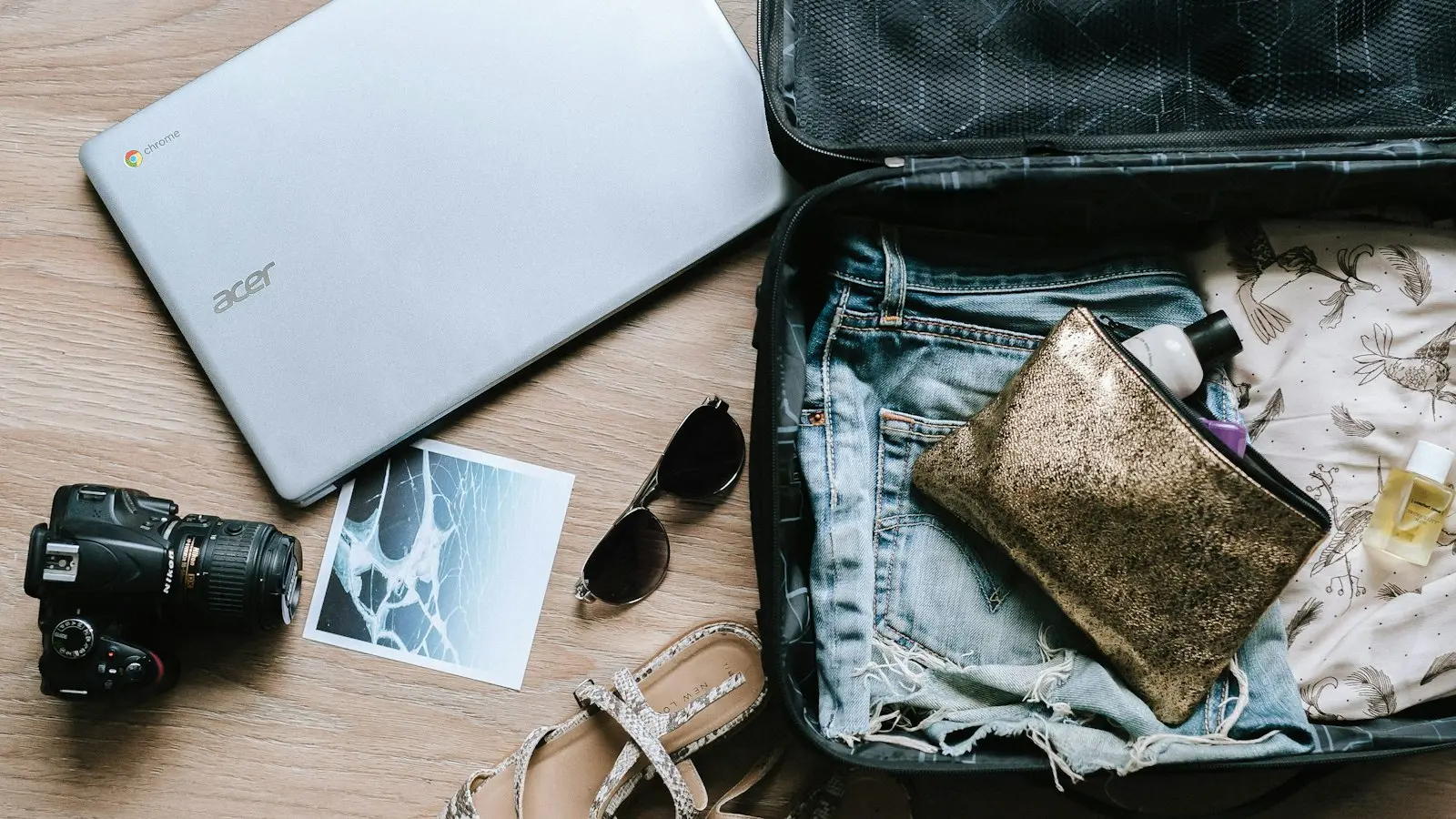
For a short trip to Cuba, pack first for the things that would be difficult to replace: travel documents, prescription medicine, cash, payment backups, charging equipment, and personal-care items. Clothing and beach gear matter, but they come after essentials affected by current rules, limited access, or uncertain services.
This Cuba packing list for Americans is designed for a mixed itinerary—perhaps several days in Havana or another city, with time at the beach or in the countryside. Conditions can vary by destination, accommodation, airline, travel date, and current regulations, so confirm legal, health, customs, currency, and airline requirements before leaving.
Key Takeaways
- Keep your passport, entry documents, medicine, and essential records in your carry-on.
- Bring enough prescription medicine and personal-care supplies for the trip, with any contingency supply discussed with a clinician or pharmacist.
- Plan cash and payment backups without assuming that a particular card, ATM, app, or mobile wallet will work.
- Download maps and travel records, and check your accommodation’s power requirements and airline battery rules.
- Pack versatile clothing and prioritize items that would be difficult, costly, or time-consuming to replace.
1. Pack Documents and Travel Records in Protected, Accessible Form
Keep your passport and required Cuban entry documents in your carry-on, not in checked luggage. Depending on your trip and travel date, that may include a visa or travel authorization, flight details, accommodation information, and proof of travel medical insurance if required. Confirm what applies to your route with the airline and relevant official sources before departure; documentation requirements can change, and transit countries may have their own rules.
Make both paper and digital copies of important records. Useful copies include the passport identification page, entry documents, insurance information, flight itinerary, accommodation address, emergency contacts, and details for anyone meeting you on arrival. Store paper copies separately from the originals, and save digital versions on your phone so they remain available without an internet connection.
Protect sensitive information rather than scattering it carelessly. A password-protected device or secure document folder is preferable to leaving unprotected copies in a shared inbox. A small document holder, a pen, and a simple luggage tag are modest additions that can save time at airports and during check-in.
Do not leave this category until the final morning. Check passport validity, entry paperwork, insurance requirements, transit rules, baggage allowances, and any airline forms several weeks ahead. Your airline’s interpretation of a document requirement may be more important at check-in than a general packing guide.
2. Prioritize Prescription Medicine, Health Supplies, and Toiletries
Prescription medicine belongs in your carry-on, in its original labeled packaging. Bring enough for the full trip and discuss a reasonable contingency supply with your prescribing clinician or pharmacist, subject to applicable import and airline rules. Carry a medication list showing generic names, strengths, and dosing instructions, and bring prescriptions or other supporting documentation when appropriate.
Original packaging is useful, but it does not automatically guarantee that a medicine can be imported. Controlled medicines, injectable products, supplements, medical devices, and some over-the-counter products may have additional requirements. Check current Cuban customs guidance, airline rules, and advice from a qualified health professional before packing anything unusual or tightly regulated.
A compact personal health kit can include bandages, blister care, antiseptic or cleansing supplies, pain or fever medicine that you already know is suitable for you, and motion-sickness treatment if your itinerary calls for it. Oral rehydration supplies may be useful for travelers who expect heat, long transfers, or outdoor activities. These are practical options, not universal requirements; medication choices should reflect your health history and professional advice.
Pack toiletries that would be inconvenient to replace quickly: contact-lens supplies, glasses, menstrual products, preferred skin-care items, deodorant, toothbrush supplies, sunscreen, and insect repellent. A small bottle of hand sanitizer, tissues, and a few resealable bags can also earn their space in a day bag.
Review current travel-health advice before departure. Ask a clinician or authoritative travel-health service about routine vaccinations, mosquito exposure, food and water precautions, and any condition-specific needs. Avoid treating a generic list as medical advice, particularly if you are pregnant, traveling with children, managing a chronic illness, or taking prescription drugs.
3. Plan Cash, Payment Backups, and Essential Everyday Items
Cash deserves deliberate planning because card acceptance, ATM access, currency exchange, and mobile payment options may not behave as they do at home. Rather than choosing a universal amount, estimate your own needs for accommodation, transportation, meals, activities, tips, and an emergency reserve, then confirm current payment and currency conditions for your route.
Carry money in more than one secure location. Keep the amount needed for the day separate from the remainder, and avoid creating one point of failure in a wallet, passport holder, or hotel bag. Practical denominations can make small purchases and local transportation easier, but obtain currency only through lawful, current channels and check applicable limits or declarations before traveling.
Do not assume that a U.S.-issued card, ATM, mobile wallet, or payment terminal will work consistently. Bring a backup payment method where feasible, but do not build the entire plan around a particular card network, app, or cash-access arrangement without checking current information. Your accommodation or tour provider may also be able to explain which expenses need advance planning.
A reusable water bottle, compact day bag, tissues, small travel locks, and a few resealable bags are useful low-cost additions. A photocopy of key documents and a small emergency note with important phone numbers can stay in the day bag, while originals and excess cash remain secured elsewhere.
This is also where restraint helps. Do not carry large quantities of cash without understanding the relevant rules and risks, and do not pack commercial quantities of ordinary goods simply because you are uncertain about local availability. Plan for your actual itinerary rather than an imagined national shortage.
4. Prepare for Power, Connectivity, Navigation, and Weather
Your Cuba power setup should match both your devices and your accommodation. Check the plug shape, voltage, and frequency requirements for the places where you will stay, then pack the appropriate adapter if needed. An adapter changes the plug connection; it does not necessarily convert voltage, so confirm that each device and charger is compatible.
Bring the essentials together: a wall charger, charging cables, a compact power bank, and—if your phone uses a proprietary or uncommon cable—a spare. A second cable is often more valuable than another electronic gadget. Keep spare lithium batteries and power banks in the baggage permitted by your airline, and check capacity and carry-on rules before departure because these requirements can differ.
Download what you need before leaving the United States. Offline maps, hotel addresses, booking confirmations, translation tools, transport details, emergency contacts, and copies of travel documents should remain accessible without data service. Test the downloads by putting your phone in airplane mode; an item that only opens while online is not truly an offline backup.
A local SIM, eSIM, or roaming plan may be useful, but compatibility and availability are not guaranteed. Confirm that your phone is unlocked, that the plan supports the destination, and that activation does not depend on a service you will lack after arrival. Downloading maps and key information is worthwhile even if you expect your phone plan to work.
Dress for heat, sun, sudden rain, and extensive walking. A practical rotation includes lightweight tops, breathable trousers or shorts, underwear, socks, sleepwear, swimwear, comfortable walking shoes, sandals or water-friendly footwear, sunglasses, a hat, and a light rain layer. Add a thin layer for air-conditioned rooms, evening travel, or cooler conditions rather than packing a heavy jacket by default.
For countryside or beach time, consider a quick-drying layer, a small dry bag, a modest towel only if your accommodation does not provide one, and footwear suited to uneven or wet surfaces. Avoid packing specialized equipment unless your itinerary genuinely requires it; bulky gear is a poor trade when it will be used once.
5. Use a Risk-Based Short-Trip Checklist and Leave Problematic Items Behind
A useful Cuba short-trip packing list has three tiers.
Must-pack items: passport and required entry documents, printed and digital records, prescription medicine, essential health supplies, payment resources, a phone, chargers, appropriate clothing, and any item tied to a medical or personal need. If losing it would threaten the trip or be difficult to solve locally, it belongs in this tier.
Helpful redundancy: a backup payment method, printed accommodation details, a second charging cable, spare glasses or contact lenses, extra toiletries, offline maps, a small first-aid kit, and a separate emergency reserve. These items are not all mandatory, but they reduce the consequences of a dead battery, delayed bag, or failed payment method.
Optional comfort items: a compact travel pillow, e-reader, camera accessories, packing cubes, or a larger beach kit. Choose these only after the first two tiers fit comfortably. A short trip rarely needs a full wardrobe or multiple pairs of specialized shoes.
A minimalist version can fit in a carry-on: one versatile pair of walking shoes, one beach or casual alternative, a small clothing rotation that can be washed or reworn, compact toiletries, essential medicine, a phone, one charger, one spare cable, a power bank, a document pouch, and a small day bag. Add outdoor layers only when the itinerary demands them.
Avoid prohibited or restricted medicines, undeclared commercial quantities, weapons, counterfeit goods, unsafe equipment, and food or plant products that violate customs rules. Check airline restrictions for liquids, batteries, and electronics rather than relying on memory from another trip. Also avoid assuming that every familiar product is unavailable in Cuba. The more accurate concern is that access, price, timing, quality, or compatibility may be uncertain when you need a replacement.
Use a simple preparation timeline. Several weeks before departure, review entry documents, passport validity, insurance, health needs, prescriptions, and airline restrictions. During the final week, obtain permitted cash, replace failing cables or glasses, buy personal-care supplies, confirm accommodation details, and check the forecast and itinerary. The day before departure, download maps and records, charge devices, move medicine and documents to your carry-on, confirm battery compliance, and weigh your luggage.
FAQ: Cuba Packing Questions Americans Commonly Ask
Should Americans bring cash to Cuba for a short trip?
Plan for cash and do not assume that cards, ATMs, mobile wallets, or payment terminals will work as they do in the United States. Budget around your actual lodging, transportation, food, activities, and emergency needs, keep money in separate secure locations, and confirm current currency, payment, and customs requirements before departure. A backup payment method is sensible where feasible, but no single method should be treated as guaranteed.
How much medicine and toiletries should I pack for Cuba?
Bring the full trip supply of essential medicine and personal-care products, with any reasonable contingency discussed with your clinician or pharmacist. Keep prescriptions labeled and carry supporting information, while checking current rules for controlled substances, supplements, medical devices, and other restricted items. Pack preferred toiletries, menstrual supplies, contact-lens products, sunscreen, and insect repellent when replacing them quickly would be difficult or inconvenient.
Do I need a power adapter or power bank for Cuba?
Check the plug, voltage, and frequency requirements of your accommodation and devices before packing. Bring the correct adapter, charger, cables, and a compact power bank if useful, but follow your airline’s current rules for spare lithium batteries and power banks. Offline maps and downloaded booking information are valuable backups whether or not you expect your phone service to work.