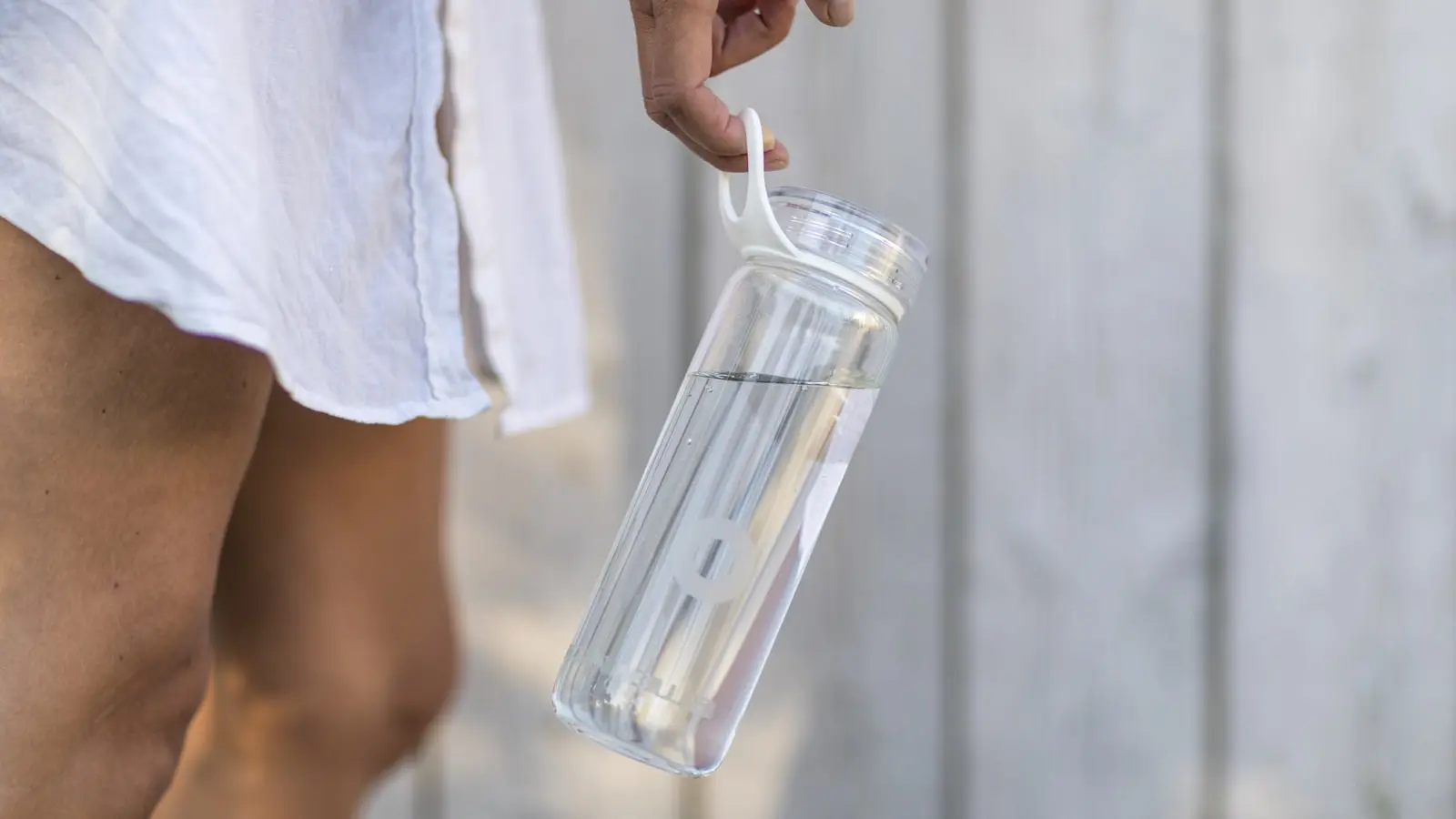
For most everyday workouts, electrolyte powders are optional, not essential. Plain water plus a regular meal or snack before or after exercise is often enough for a shorter gym session in comfortable conditions. An electrolyte drink may be more useful when you are sweating heavily for a prolonged period, exercising in heat or humidity, training more than once a day, or cannot eat soon afterward.
The practical question is not whether electrolyte powders are good or bad. It is whether the session is likely to create fluid and sodium losses that water and normal meals will not comfortably cover.
Key Takeaways
- Water is usually enough for routine, shorter workouts when conditions are mild and you can eat normally afterward.
- Sodium is the electrolyte most relevant to sweat loss; a long ingredient list does not necessarily make a drink better.
- Electrolyte powders may be useful for prolonged exercise, hot or humid conditions, unusually heavy sweating, or repeated sessions in one day.
- Low-sugar products do not provide much exercise fuel, while carbohydrate-electrolyte drinks can add energy that may be unnecessary for an ordinary gym session.
- People with kidney, heart, blood-pressure, sodium-limit, or fluid-balance concerns should get individualized guidance before using these products routinely.
What electrolyte powders do—and what they do not do
Electrolytes are minerals that carry an electrical charge in body fluids. They support fluid balance, nerve signaling, and normal muscle function. Common examples include sodium, potassium, magnesium, calcium, and chloride.
During exercise, sodium is usually the electrolyte most relevant to hydration because sweat contains sodium. Replacing some sodium can be useful when sweat losses are substantial, particularly when exercise is prolonged or conditions are hot. Potassium and magnesium remain important nutrients, but their presence on a label does not make a product automatically better for workout hydration, and they do not directly replace sodium lost in sweat.
Electrolyte powders do not replace the basics. They cannot compensate for consistently low fluid intake, inadequate fueling during demanding endurance exercise, poor heat acclimatization, lack of recovery, or a medical issue causing symptoms. A cramp, headache, fatigue, or dizzy feeling also does not prove that electrolytes are the cause.
A flavored powder can make drinking more appealing, which may be useful for some people. But enjoying the taste of a drink is different from needing its minerals for a routine workout.
When water is usually enough for gym workouts
Water is commonly sufficient for routine indoor strength training, a short walk, easy cycling, a moderate fitness class, or a brief run in mild weather. That is especially likely when you start reasonably hydrated, do not sweat unusually heavily, and can eat a normal meal or snack later.
For many healthy adults doing ordinary activity, drinking to thirst is a practical starting point. There is usually no need to force large amounts of water before, during, or after every workout. Consider thirst alongside the temperature, humidity, workout intensity, visible sweat loss, and how easily you can eat and drink afterward.
The answer to “do you need electrolytes?” depends on context more than workout type. A 40-minute lifting session in an air-conditioned gym is not the same as hard intervals outdoors on a humid day, particularly if you arrived underhydrated or need to train again later.
Urine color can offer a broad hydration clue outside exercise, but it is not a precise real-time measure during a workout. Foods, vitamins, medicines, and recent fluid intake can all change its appearance. It is more useful to look for patterns over time than to rely on one check.
Do not treat cramps, fatigue, or heavy sweating alone as proof of an electrolyte deficiency. Those symptoms can have many causes, including heat exposure, training load, inadequate fueling, poor conditioning, medication effects, or illness. Severe, recurring, or unexplained symptoms warrant medical assessment rather than repeated self-treatment with hydration products.
A practical decision matrix for workout hydration
A simple framework can help you choose between water, a low-calorie electrolyte option, or a carbohydrate-electrolyte drink.
Likely plain-water territory: Water is a sensible first choice for routine indoor workouts, short recreational activity, easy cycling, walks, or strength sessions without prolonged heavy sweating. If a normal meal or snack is available afterward, food can help cover everyday recovery needs.
Consider an electrolyte option: A powder or tablet may be reasonable when exercise is prolonged, weather is hot or humid, sweat loss is visibly heavy, or clothing and skin are regularly left with noticeable salt residue. It may also be practical during travel, tournaments, long outdoor work-and-training days, or repeated sessions when eating normally is less convenient.
Consider carbohydrate plus electrolytes: A drink containing carbohydrates and electrolytes can fit prolonged or demanding endurance-style activity, when both fluid replacement and readily available exercise fuel matter. That is a different situation from a typical gym visit. A low-calorie powder may provide electrolytes without meaningful energy, while a carbohydrate-containing drink adds calories that may be useful during sustained work but unnecessary for a short session.
Seek situation-specific care rather than choosing a generic drink: Vomiting, diarrhea, confusion, fainting, chest symptoms, severe weakness, severe heat symptoms, or an inability to keep fluids down are not ordinary workout-hydration problems. Prompt medical assessment may be needed, especially if symptoms are severe, worsening, or follow heat exposure.
There is no universal duration cutoff, sodium amount, or drink formula that fits every person. Sweat rate and sodium losses vary with pace, climate, clothing, body size, heat acclimatization, diet, and individual physiology. The aim is not to find a perfect number; it is to recognize when your conditions make water alone less practical.
How to compare powders, tablets, sports drinks, and food
Start with serving size. One packet, scoop, tablet, or bottle may not equal the amount you assume you are using. Check how much water the directions require, how many servings are in the container, and whether you commonly use more than one serving per workout.
Then compare sodium per prepared serving. Terms such as “high electrolyte,” “clean hydration,” and “zero sugar” do not tell you how much sodium a drink contains or whether it fits your needs. Products with similar marketing can have very different formulas.
Electrolyte powder sugar content also needs context. Sugar-free or low-calorie options can be useful when your goal is flavor or electrolyte replacement without extra energy. They do not provide meaningful exercise fuel, however. Drinks with carbohydrates may suit longer, demanding activity, but can add unnecessary calories for a brief workout where water and a meal would work well.
Also review total carbohydrate, calories, sweeteners, caffeine or other stimulants, acids, flavorings, and cost per actual use. Caffeine may not suit an evening workout or people who are sensitive to it. Frequently sipping acidic drinks can be a dental concern, and concentrated mixtures or some sweeteners can cause gastrointestinal discomfort for certain people.
Each format has practical trade-offs:
- Powders: Portable and flexible, but easy to mismeasure or mix too strongly.
- Tablets: Convenient and often lower in calories, though sodium and other ingredients vary widely.
- Ready-to-drink sports drinks: Simple to use and may provide carbohydrates, but can cost more and add more sugar than the session requires.
- Water plus food: Often the simplest option for everyday recovery when a meal or snack is available.
Food does not need to be a precise electrolyte prescription to be useful. After a standard workout, water with a meal containing carbohydrates and protein can support normal recovery. Practical choices include yogurt with fruit and cereal, eggs with toast and fruit, a sandwich with milk or a fortified alternative, rice or potatoes with beans, fish, chicken, or tofu, or a smoothie alongside a more substantial snack.
Downsides, safety limits, and the least-complicated choice
Electrolyte powders are not automatically harmless because they are sold as wellness products. Routine use can add sodium that your activity does not require, while carbohydrate-containing drinks can add sugar and calories that do not fit your goals. Frequent acidic drinks may be hard on teeth, and single-serving products can become expensive.
More sodium is not automatically better, and low sugar does not automatically mean a product is necessary. A concentrated mixture can also taste unpleasant or upset your stomach. Follow the mixing directions rather than doubling scoops because a workout felt difficult.
People with kidney disease, heart failure, hypertension, a prescribed sodium limit, or fluid restrictions should not assume a standard sports product is suitable for daily use. The same caution applies to people taking medicines that affect fluid or electrolyte balance. Pregnancy, a history of electrolyte problems, and recurring exercise-related symptoms are additional reasons to seek individualized advice from a clinician or registered dietitian.
For hydration for gym workouts, the least-complicated option is often best. Use water for ordinary sessions when it meets the need. Consider an electrolyte product when prolonged exercise, heat, humidity, heavy sweat loss, or limited food access makes it a practical fit. Reserve carbohydrate-electrolyte drinks for sessions when you also need exercise fuel, not simply because the label promises hydration.
FAQ
Do you need electrolytes for a 30-minute workout?
Usually not. For a typical 30-minute workout in comfortable conditions, water is generally a reasonable choice, especially if you eat normally before or afterward. Electrolytes may be more relevant if the session occurs in substantial heat, produces unusually heavy sweating, or is part of a longer, repeated training day.
Is it safe to drink an electrolyte powder every day?
It depends on the product, your overall diet, sweat losses, and health conditions. Daily use may be unnecessary for many people and can add sodium, sugar, or other ingredients without a clear benefit. Anyone with kidney, heart, blood-pressure, sodium-limit, or fluid-balance concerns should seek individualized guidance before making it routine.
How much sodium should you look for in a sports drink?
There is no single amount that suits every athlete or workout. Compare sodium per prepared serving, consider how long and how hard you exercise, and avoid treating a higher number as automatically better. If you have a medical reason to limit sodium or fluids, get personal advice instead of relying on a generic sports-drink rule.