Many people wonder if animals can experience mental health issues like depression, anxiety, or boredom. The short answer is that many animals exhibit stress-related behaviors and physiological changes that resemble human mental health conditions, but the terminology we use requires caution. Animal mental health is studied through observable behaviors and biological markers, not through subjective self-report. This article examines the evidence, separating anthropomorphism from scientific understanding.
Key Takeaways
- Many animals show stress-related behaviors and physiological changes, but equating these directly to human mental health conditions requires caution.
- Captive animals are more prone to chronic stress and boredom; environmental enrichment is crucial for their well-being.
- Wild animals rarely experience sustained depression, but they can suffer acute stress from environmental pressures.
- Pet owners can look for signs like lethargy or changes in appetite, but should consult a veterinarian before assuming mental illness.
- Scientists measure animal mental health through behavioral observation, cortisol levels, and preference tests, not subjective self-report.
What Does “Mental Health” Mean for an Animal?
When scientists refer to animal mental health, they focus on behavioral and physiological indicators of distress, not on internal feelings in the same way we assess human depression or anxiety. Veterinary definitions center on stress-related disorders, anxiety, and obsessive-compulsive behaviors. For example, animals may develop repetitive pacing, self-mutilation, or withdrawal from social interaction. These patterns are documented across species, particularly in captive settings.
The key distinction lies in anthropomorphism versus evidence-based assessment. Attributing complex human emotions like guilt or shame to an animal is often imprecise. Instead, researchers measure what they can observe: changes in feeding, grooming, activity levels, and stress hormone concentrations. This approach avoids over-interpreting behavior while still acknowledging that animals can suffer.
Studies on animal psychopathology rely on methods such as elevated cortisol levels, behavioral tests, and long-term observation. The goal is to understand how environmental stresses trigger abnormal responses, and to improve care and welfare.
The Biology of Animal Emotions: Brain Structures and Limits
Many animals share neural circuitry with humans that underlies basic emotions. The amygdala processes fear and threat detection, the hippocampus is involved in memory and stress regulation, and the hypothalamic-pituitary-adrenal (HPA) axis governs stress responses. These structures appear in mammals, birds, and even some reptiles, suggesting that fundamental emotional states like fear, pleasure, and distress are evolutionarily ancient.
However, there is broad scientific agreement that animals experience primary emotions (fear, pleasure, surprise) far more reliably than secondary emotions (guilt, shame, pride) which require higher-order cognition and self-awareness. When a dog looks “guilty” after misbehaving, it is likely responding to the owner’s tone and body language rather than processing guilt in the human sense.
Relevance to depression: laboratory models of learned helplessness show that animals subjected to uncontrollable stress display withdrawal, reduced interest in rewards, and altered sleep patterns. These behaviors mirror some aspects of human depression, but the underlying cause is typically situational stress, not the complex interplay of genetics, cognition, and social factors seen in humans. Therefore, researchers prefer terms like “stress-induced anhedonia” over “animal depression.”
Signs of Stress, Depression, and Anxiety in Wild and Captive Animals
Behavioral indicators of poor animal mental health include stereotypic movements, such as repetitive pacing, head-bobbing, or circling. In severe cases, animals may engage in self-mutilation, feather-plucking, or excessive licking. These behaviors are often called “zoochosis” when observed in zoo animals. Social withdrawal, aggression, and changes in feeding or grooming are also common signals.
Physiological markers provide objective data. Elevated glucocorticoids like cortisol can be measured in blood, feces, or saliva. Chronic high cortisol levels indicate sustained stress, which may correlate with abnormal behavior. Heart rate variability is another useful metric, as lower variability is associated with stress in both humans and animals.
In the wild, animals face stress from predation pressure, food scarcity, and habitat disruption. However, they rarely exhibit sustained depression-like states because they must remain vigilant for survival. A wild animal that stops eating or withdrawing completely would quickly become vulnerable. Instead, stress responses in wild animals are typically acute and adaptive. Chronic stress is more common in captive environments where escape is impossible.
Captive vs. Wild: How Environment Shapes Animal Psychology
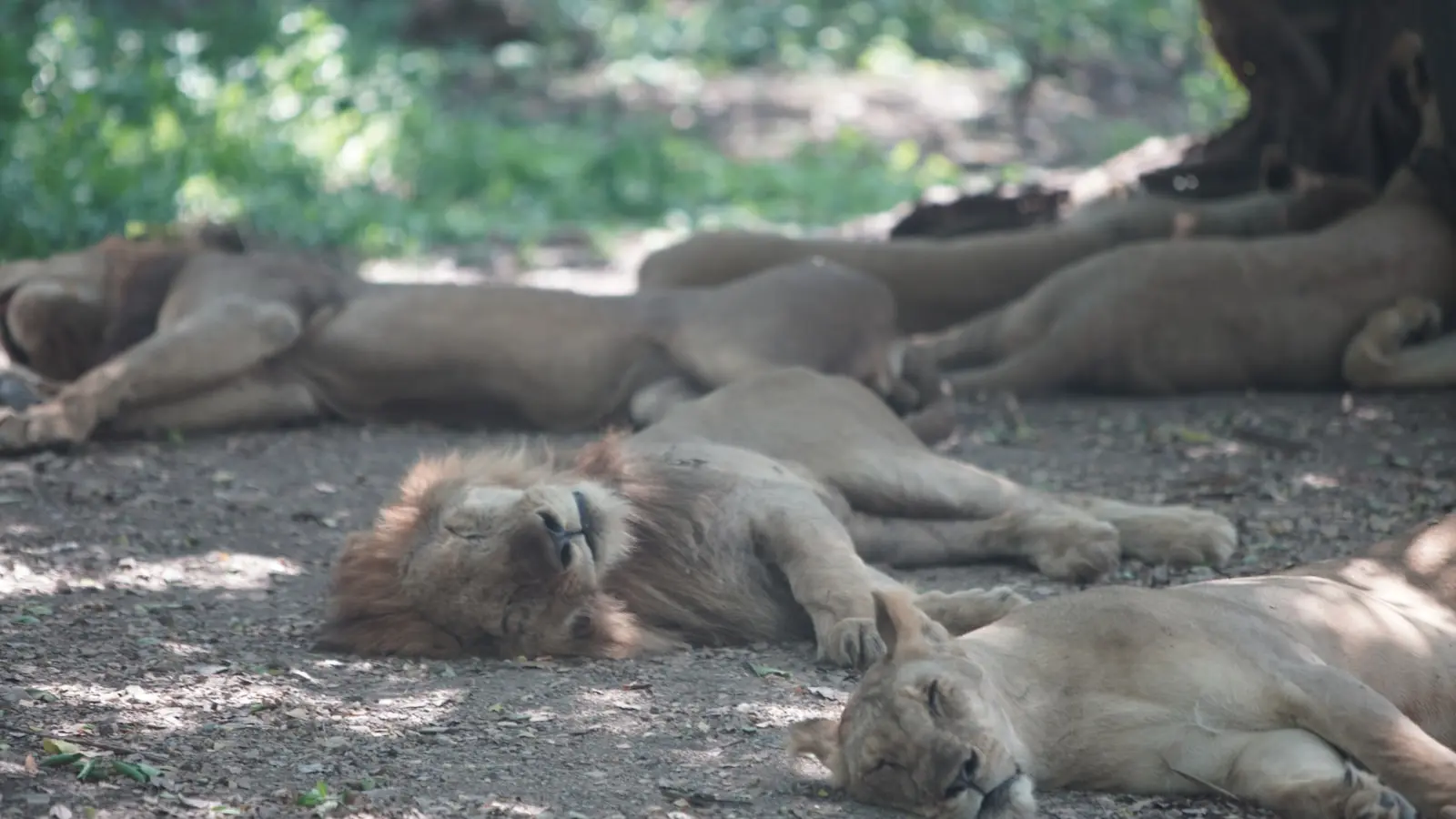
Wild animals spend most of their active time on survival tasks: foraging, hunting, evading predators, and maintaining territory. The concept of “free time” in nature is largely an energy conservation strategy, not boredom. A resting predator is not idle in the human sense; it is recovering for the next hunt.
Captive animals, by contrast, have their basic needs met without effort. Food arrives on a schedule, predators are absent, and space is limited. This removal of natural challenges can lead to chronic under-stimulation. Boredom becomes a genuine welfare concern, especially for intelligent, wide-ranging species. A lack of environmental complexity often results in stereotypic behaviors.
Environmental enrichment aims to restore mental stimulation. Puzzle feeders, novel objects, social housing, and training sessions can reduce abnormal behaviors and lower stress hormones. The effectiveness varies by species and individual, but the principle is consistent: a captive animal needs cognitive engagement to maintain psychological well-being.
The trade-off remains between safety and stimulation. Captivity protects animals from predation and disease but can create an impoverished mental environment. Poorly managed captivity leads to chronic stress; well-designed enclosures with enrichment can support both physical and mental health.
Can Boredom Be Measured in Animals?
Measuring boredom in animals is challenging because it is a subjective state. However, researchers use preference tests and behavioral diversity metrics. For example, if an animal consistently chooses a novel object over a familiar one, it suggests a need for stimulation. When animals are given access to enrichment, the frequency of stereotypic behaviors often decreases, implying that those behaviors were a coping mechanism for boredom.
Hormonal profiles also help. Elevated cortisol alongside repetitive behavior may indicate that the animal is stressed by under-stimulation. Some research has examined dopamine and serotonin levels in relation to environmental variety. While no single test can prove boredom in the same way we experience it, converging evidence from multiple methods strongly supports that animals can suffer from a lack of meaningful stimulation.
These findings have practical implications for zoo design, farm animal housing, and pet ownership. Providing opportunities for species-typical behaviors—foraging, digging, climbing, or social interaction—is essential to prevent boredom-related distress.
Practical Takeaways for Pet Owners and Conservation
For pet owners, recognizing signs of stress is the first step. Lethargy, hiding, changes in appetite, excessive vocalization, or destructive behavior may indicate anxiety or depression-like states. Environmental enrichment can help: rotate toys, offer puzzle feeders, establish a routine, and ensure adequate physical exercise. If symptoms persist, a veterinary check is recommended to rule out medical causes and discuss possible behavioral interventions.
From a conservation standpoint, minimizing human-induced stress in wildlife is critical. Habitat fragmentation, noise pollution, and human presence can elevate stress hormones in wild populations. In captive breeding programs, psychological well-being must be considered alongside genetic diversity. Enrichment protocols and appropriate social groupings can improve success rates.
What not to do: avoid over-interpreting every behavior as a mental health issue. A dog resting quietly may simply be tired, not depressed. If you suspect a problem, consult a veterinarian or animal behaviorist for an objective assessment.
FAQ
Can my dog or cat get depressed? Yes, they can exhibit depression-like symptoms such as lethargy, loss of interest in play, and changes in appetite. These often arise after a significant change—loss of a companion, moving to a new home, or illness. However, the underlying mechanism is usually stress or adjustment, not clinical depression as in humans. A veterinarian can help rule out medical causes and recommend enrichment or, in some cases, medication.
Do wild animals in nature ever experience depression? Rarely. Severe stressors like serious injury, loss of a mate, or habitat destruction can cause stress-related behaviors, but sustained depression is uncommon outside captivity because survival demands keep animals engaged. Chronic stress in wild animals is more often linked to environmental degradation than to a standalone mental disorder.
How do scientists tell if an animal is bored? They measure repetitive behaviors (stereotypies), preference for novel stimuli, and physiological stress markers. A reduction in stereotypies after enrichment is taken as evidence that boredom was a factor. Scientists also assess behavioral diversity: a monotonous behavioral repertoire can indicate under-stimulation, while greater variety suggests better psychological engagement.