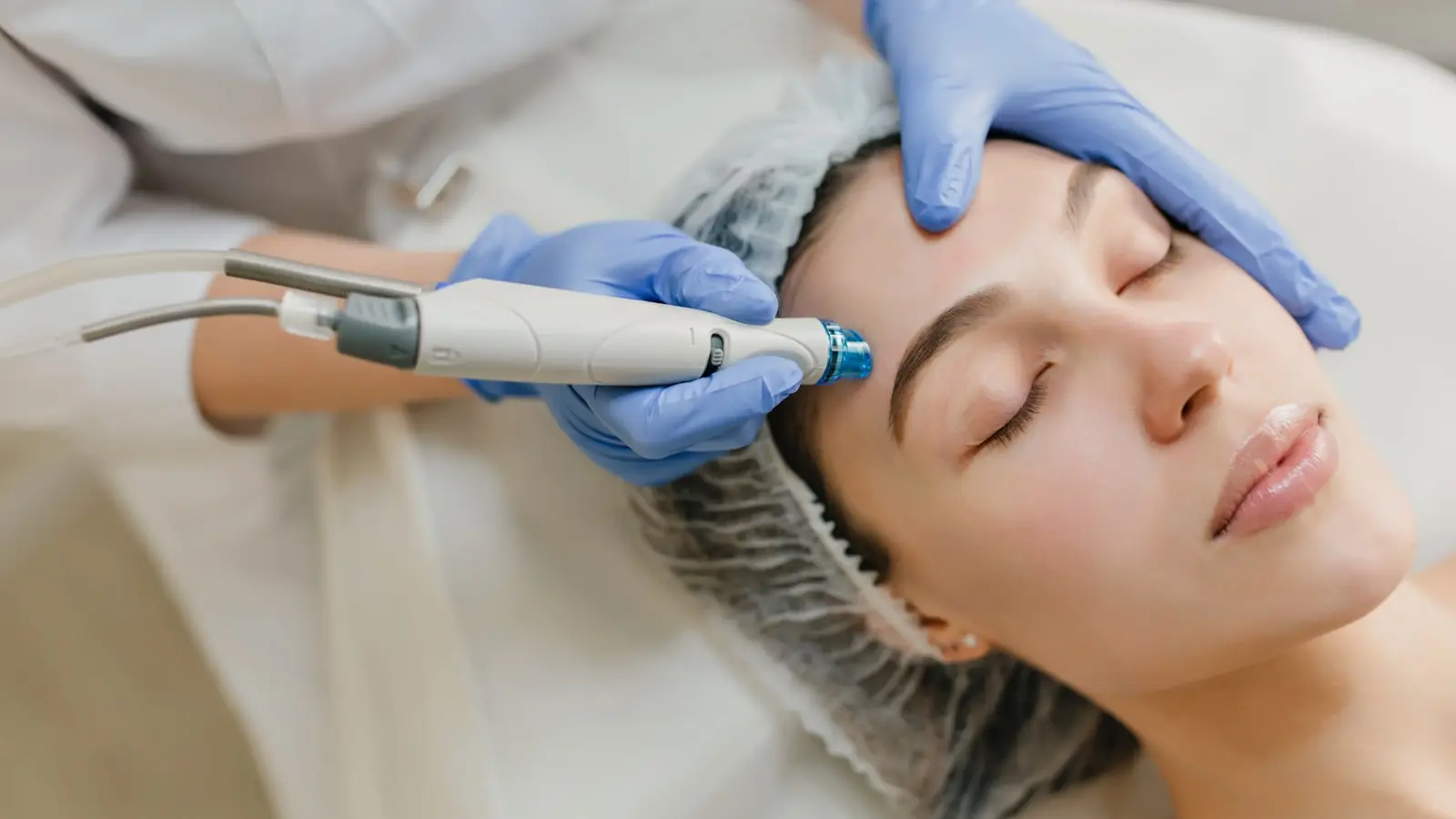
A preventive Botox decision should reflect your goals, facial movement, health history, budget, and comfort with repeat treatment—not a certain age or pressure to look less expressive. Botox can temporarily reduce movement in selected muscles and may soften expression-related lines while it is active. It does not stop normal aging, erase every wrinkle, or guarantee that future lines will not form.
For some adults, a conservative treatment plan may fit a specific concern. For others, sun protection, skincare, waiting, or no treatment may be the better fit. The useful question is not whether you are “too early” or “too late,” but whether the likely trade-offs align with your priorities.
Key Takeaways
- There is no universally recommended age to start Botox; the decision should be based on your anatomy, goals, health history, and preferences.
- Preventive Botox may temporarily soften dynamic expression lines, but long-term claims about preventing permanent wrinkles remain limited and individualized.
- Results are temporary, so repeat appointments, cumulative cost, and comfort with reduced movement are central considerations.
- Side effects and uncommon serious risks deserve a full consent discussion, even when treatment is performed by an experienced clinician.
- Sun protection, clinician-guided skincare, waiting, and choosing no treatment are valid alternatives—not lesser choices.
What Preventive Botox Means and What It Does Not Promise
“Preventive Botox” generally means using a botulinum toxin product before facial lines become deeply visible when the face is at rest. The aim is to reduce selected repetitive muscle contractions, often in the forehead, between the brows, or around the eyes.
Botulinum toxin products temporarily reduce signaling between nerves and targeted muscles, causing those muscles to contract less strongly for a period of time. If a line appears mainly when you raise your eyebrows, squint, or frown, reducing that movement may make it less noticeable while treatment is active.
This differs from a static line, which remains visible when the face is relaxed. Static lines can be influenced by repeated movement, but also by skin structure, sun exposure, genetics, smoking, facial-volume changes, and time. Reducing muscle movement may improve the appearance of some static lines, but it may not remove them completely.
The word “preventive” needs careful interpretation. It is plausible that reducing repeated folding in one area could influence how expression lines develop over time. Still, results vary, and starting earlier cannot reliably promise prevention of permanent wrinkles. Botox does not prevent sun-related damage, changes in collagen, volume loss, or every type of facial line.
Normal facial movement and expression lines are not medical problems that require correction. Treatment can be a reasonable personal choice, but so can deciding that an expressive face needs no intervention.
Start With Your Own Concern Not an Age or Trend
There is no universal medically recommended age for when to start Botox. Cosmetic treatment is elective, and age alone says little about muscle activity, skin quality, personal preference, or medical suitability.
Start by identifying the concern precisely. Is there a line that appears only with expression? Is a line beginning to show at rest? Are you noticing asymmetry or a persistently tense-looking expression? Or is the concern mostly driven by comparison, trends, or comments from others?
These situations may call for different approaches. Someone with strong forehead movement and early dynamic lines may have different options than someone mainly concerned with dryness, uneven tone, texture, or a static crease. Botox targets muscle activity; it is not a general treatment for all visible signs of skin aging.
A qualified clinician may assess your facial-muscle pattern, brow and eyelid position at rest, skin quality, and the area you hope to treat. They may also consider sun exposure, smoking, genetics, prior procedures, and whether your expectations match what treatment can realistically do.
Clarify the result you want before a consultation. You may prefer modest softening while retaining natural movement, or you may expect a fully smooth, nearly motionless area. Those are different goals, and not every goal will be appropriate for every face.
If your main motivation is external pressure, fear of aging, or uncertainty about changing how your face moves, pausing is a valid choice. Taking time does not mean you have missed an opportunity.
Weigh the Ongoing Commitment Results Appointments and Cost
Cosmetic effects from botulinum toxin are temporary. People who want to maintain a similar degree of reduced movement commonly need repeat appointments, but timing varies by product, treatment area, dose, individual response, and clinical judgment. Your injector should explain the expected course for the specific product and use under consideration.
That makes preventive Botox an ongoing maintenance decision rather than a one-time purchase. Consider whether you are comfortable arranging periodic visits, waiting for effects to develop, and living with temporary changes in facial movement between appointments.
Cost can vary substantially. Local pricing, geographic location, provider credentials, treatment area, units used, product selection, and follow-up policies can all affect the total. Some practices charge by unit, while others charge by area or package services together.
Budget for the recurring pattern rather than focusing only on the first session. Ask whether review visits are included, whether adjustments cost extra, and what maintenance may look like if you decide to continue.
The nonfinancial commitment matters, too. Some people value a predictable aesthetic routine; others find recurring appointments, shifting appearance expectations, or financial pressure emotionally demanding. If maintenance would strain your finances or create ongoing stress, waiting is a sound decision.
Compare Potential Benefits With Risks and Reasons to Delay
When treatment is appropriately selected and administered, Botox may temporarily soften expression-related lines in targeted areas. The expected benefit is generally reduced movement, not flawless skin or a permanent change in how the face ages.
Common treatment-site effects may include temporary discomfort, redness, swelling, bruising, or headache. These should be part of an informed-consent conversation, along with aftercare expectations and a clear plan for contacting the practice if concerns arise.
Less common but potentially significant effects can include unwanted muscle weakness, asymmetry, eyelid or brow droop, and vision-related symptoms. Product labeling also warns about symptoms needing prompt medical attention, including difficulty swallowing, speaking, or breathing, as well as signs of an allergic reaction.
Risk is not determined by injector skill alone. Anatomy, placement, dose, product handling, health conditions, prior treatment response, and medicines or supplements can all affect outcomes. A qualified provider may reduce avoidable errors, but no cosmetic procedure is risk-free.
A clinician needs a complete health history before treatment. Tell them about allergies, prior botulinum toxin treatments, neuromuscular conditions, current medications and supplements, and pregnancy or breastfeeding status. The treating clinician should review relevant product warnings, contraindications, and whether treatment is suitable for you.
Reasons to delay can be practical as well as medical. These may include uncertain goals, limited budget for upkeep, discomfort with reduced movement, an upcoming event where bruising would be inconvenient, or a provider who does not allow time for meaningful consent. Cosmetic treatment should still feel optional after the consultation.
Consider Lower-Intervention Options for Facial Aging Prevention
Lower-intervention options are not inferior choices. They may better suit your goals, especially when the concern is skin quality rather than strong facial movement, or when you prefer to avoid injections for now.
Daily broad-spectrum sun protection is a practical foundation for facial aging prevention because ultraviolet exposure contributes to preventable skin damage. It cannot prevent every wrinkle or reverse all prior exposure, but consistent protection can support long-term skin health.
A dermatologist or other qualified clinician can help you consider whether a retinoid or another skincare active is appropriate. Retinoids may help with certain concerns, but they can irritate skin and require individualized guidance, particularly during pregnancy or breastfeeding, with sensitive skin, or alongside prescription treatments.
Supportive habits matter in realistic ways. Adequate sleep, not smoking, and gentle skincare can support overall skin health, though they cannot erase aging or guarantee wrinkle prevention. Be cautious with routines marketed as permanent solutions or substitutes for a medical assessment.
The distinction is useful: skincare primarily addresses the skin surface, barrier function, texture, and sun-related damage, while botulinum toxin targets muscle activity. Reasonable choices include doing nothing for now, using skincare and sun protection, considering conservative treatment, or reassessing later. Each can be appropriate.
Use a No-Pressure Consultation Checklist Before You Book
A consultation should help you make an informed decision, not rush you into a procedure. Verify that the provider holds the relevant license in your jurisdiction, has training in facial anatomy, and has experience with the treatment offered. Ask how they handle complications or arrange referral if needed.
Bring a written list of Botox consultation questions, including:
- What exact product are you recommending, and is it approved for this intended cosmetic use in my country?
- What concern do you see in my facial movement or skin, and what result is realistic?
- How much movement is likely to remain, and what could look overtreated for my anatomy?
- Why are you recommending this treatment area and approach?
- When should I expect effects to begin, how long might they last, and what follow-up is available?
- What is the total estimated cost, including review visits or possible adjustments?
- What health factors, medicines, supplements, or prior treatments could affect safety?
- Which side effects are common, which symptoms require urgent care, and how should I contact you after treatment?
- What non-injection options would be reasonable for my goals?
Watch for pressure-based selling. Guarantees, steep urgency discounts, vague credentials, dismissal of risk questions, refusal to discuss alternatives, or claims that everyone should start early are reasons to step back. A careful provider should be comfortable with you choosing no treatment.
A sound preventive Botox decision is one in which the expected benefit, medical suitability, repeat-treatment commitment, cost, and comfort with the result align with your priorities. If one of those elements is missing, more time or a second opinion may be more valuable than booking quickly.
FAQ When to Start Botox Risks and Alternatives
Is there a best age to start preventive Botox?
No single age is best for everyone. The decision should be based on a specific concern, facial movement, anatomy, skin factors, health history, willingness to maintain treatment, and personal preference. Starting earlier is not required and does not guarantee permanent wrinkle prevention.
What preventive Botox risks should I discuss before treatment?
Discuss common effects such as bruising, swelling, discomfort, redness, and headache. Also discuss less common concerns including asymmetry, unwanted weakness, brow or eyelid droop, and vision-related symptoms. Tell the clinician about medical conditions, allergies, prior toxin use, medications, supplements, and pregnancy or breastfeeding status, and ask which symptoms require prompt or urgent care.
What cosmetic injection alternatives or non-injection options should I consider first?
Depending on your concern, reasonable options may include daily broad-spectrum sun protection, gentle skincare, and a clinician-guided discussion of retinoids or other topical treatments. No treatment for now and reassessment later are also valid choices. Skincare and injections address different aspects of facial aging, so the best fit depends on whether your concern is mainly skin quality, muscle movement, or both.