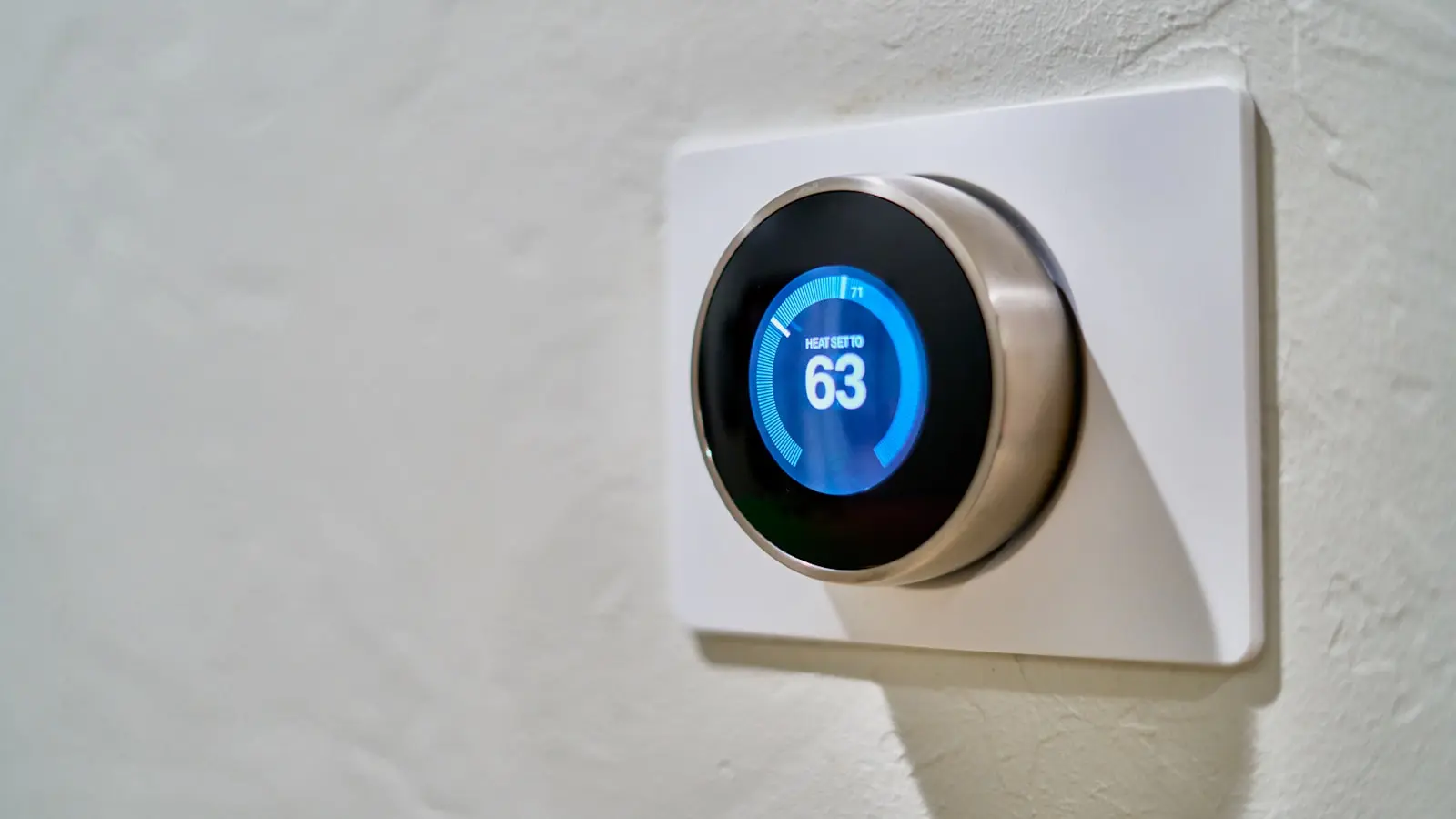
The short answer is: for most people, not yet. But for specific use cases and budgets, a single multipurpose device can replace several dedicated gadgets with acceptable trade-offs. The appeal of minimalism and device fatigue—fewer chargers, updates, and cables—drives many to consider a device replacing multiple gadgets. However, the reality is that no single product currently excels at everything.
Key Takeaways:
- No single device currently excels at every task; trade-offs are inevitable.
- Multipurpose devices work best for light use, travel, or minimalist setups.
- Dedicated gear still outperforms for gaming, home theater, photography, and intensive productivity.
- Cost savings from one device can be offset by accessory needs and later dedicated purchases.
- Convergence is advancing through foldables and desktop modes, but a complete replacement is not yet here.
The All-in-One Contenders: What’s Actually on the Market
Smart displays like the Google Nest Hub Max or Amazon Echo Show promise smart home control, video calls, media playback, and a digital photo frame. High-end tablets such as the iPad Pro and Samsung Galaxy Tab S9 are marketed as laptop replacements when paired with a keyboard and trackpad, while also covering entertainment and creativity. Gaming consoles—the PlayStation 5 and Xbox Series X—extend beyond games to streaming services, Blu-ray playback, and limited web browsing. Foldable smartphones like the Samsung Galaxy Z Fold and Google Pixel Fold aim to replace both a phone and a tablet, often offering desktop modes for productivity. Wearables, including smart glasses and smartwatches, offload tasks like notifications, quick photos, and health tracking from the phone. Each category has strengths, but none can fully cover all home needs.
How Each Device Handles Work, Entertainment, and Communication
Work: Tablets with productivity apps and external monitor support can handle light office tasks, note-taking, and web browsing. Yet they still fall short for heavy multitasking, coding, or specialized software that requires a full desktop OS. Console web browsers are too limited for real work. Foldable phones with split-screen modes are useful for quick edits but cramped for prolonged typing. For most professionals, a dedicated laptop or desktop remains more efficient.
Entertainment: Smart display speakers are adequate for podcasts and background music but lack the bass and soundstage of a dedicated soundbar or bookshelf speakers. A console’s 4K Blu-ray player is convenient, but a dedicated player often offers better upscaling and audio codec support. Tablet HDR performance is impressive but cannot match an OLED TV in size, contrast, and viewing angle. Smart glasses for AR gaming are still nascent compared to the immersive experience of a console on a large screen.
Communication: Video call quality on smart displays is generally good, with wide-angle cameras and auto-framing. But a phone or laptop often provides better microphone pickup and privacy. Messaging on a wearable is convenient for quick replies but frustrating for longer conversations. Desktop-class apps on tablets work well, yet the smaller screen and lack of a physical keyboard can slow down workflow.
Where Dedicated Devices Still Outperform the Multitaskers
Gaming: A dedicated gaming PC or console still delivers higher frame rates, better graphics, and precise controls than any tablet or smart display. Casual games are fine on a tablet, but serious gaming requires specialized hardware.
Home Theater: A dedicated projector or OLED TV paired with an AV receiver provides superior picture quality and sound immersion. All-in-one speakers cannot match the surround sound and bass depth of a proper home theater system.
Productivity: Full desktop OS with multiple monitors, a real keyboard, and specialized software (video editing, CAD, coding) remains far more capable than any tablet or foldable. The multitasking experience on a desktop is not replicated by a single small screen.
Photography: A mirrorless camera with interchangeable lenses outperforms any smartphone or tablet sensor, especially in low light, zoom, and depth of field control. While foldable phones offer good computational photography, they cannot match the versatility of a dedicated camera.
Smart Home Hub: A dedicated hub like Hubitat or HomeAssistant offers more integration, reliability, and local control than a smart display that can be distracted by other tasks. If the smart display is used for video calls or media, it may not respond as quickly to smart home commands.
The Cost and Convenience Math: Is There Really a Savings?
Upfront, buying one high-end tablet like an iPad Pro (around $1,100 with keyboard) may seem cheaper than a budget laptop ($600) plus a TV ($300) and a smart speaker ($100). However, the tablet may require accessories like a stylus or dock, and its lifespan is often similar to a laptop. If later a dedicated device is needed for gaming or home theater, the total cost rises. Space savings are real—fewer cables and chargers—but a single device failure disrupts everything. Managing a single device reduces fatigue, but the risk of being a jack of all trades, master of none persists. For minimalists or travelers with light needs, the savings in space and mental overhead can be worthwhile.
The Future of Device Convergence: Are We Getting Closer?
Advances in foldable displays, desktop modes (Samsung DeX, iPad Stage Manager), and cloud computing push convergence forward. Wearables like AR glasses may eventually handle tasks currently done by phones. The smartphone has already absorbed cameras, MP3 players, and GPS, but absorbing a TV or laptop remains unlikely in the near term. Modular systems where a phone serves as the core brain and attaches to larger displays or controls may become more common. For now, the trade-offs are clear: for light use, a single device may suffice; for power users, dedicated gear still wins.
Frequently Asked Questions
Can a tablet like the iPad Pro replace a laptop for daily work? It depends on the workflow. Light office tasks, note-taking, and web browsing are fine. Heavy multitasking, coding, or specialized software often still requires a laptop due to the desktop OS, multiple windows, and input options.
Do smart displays like the Nest Hub Max offer good enough audio for music? They are suitable for background listening and podcasts but generally lack the bass, clarity, and soundstage of dedicated speakers or a proper soundbar. For critical music listening, a dedicated audio setup is better.
Will foldable phones eventually make tablets obsolete? Not entirely. Foldables fill a niche for a pocketable large screen, but for prolonged work or media consumption, a larger, more stable tablet or laptop is still preferable. Tablets will likely coexist as specialized tools for specific tasks.