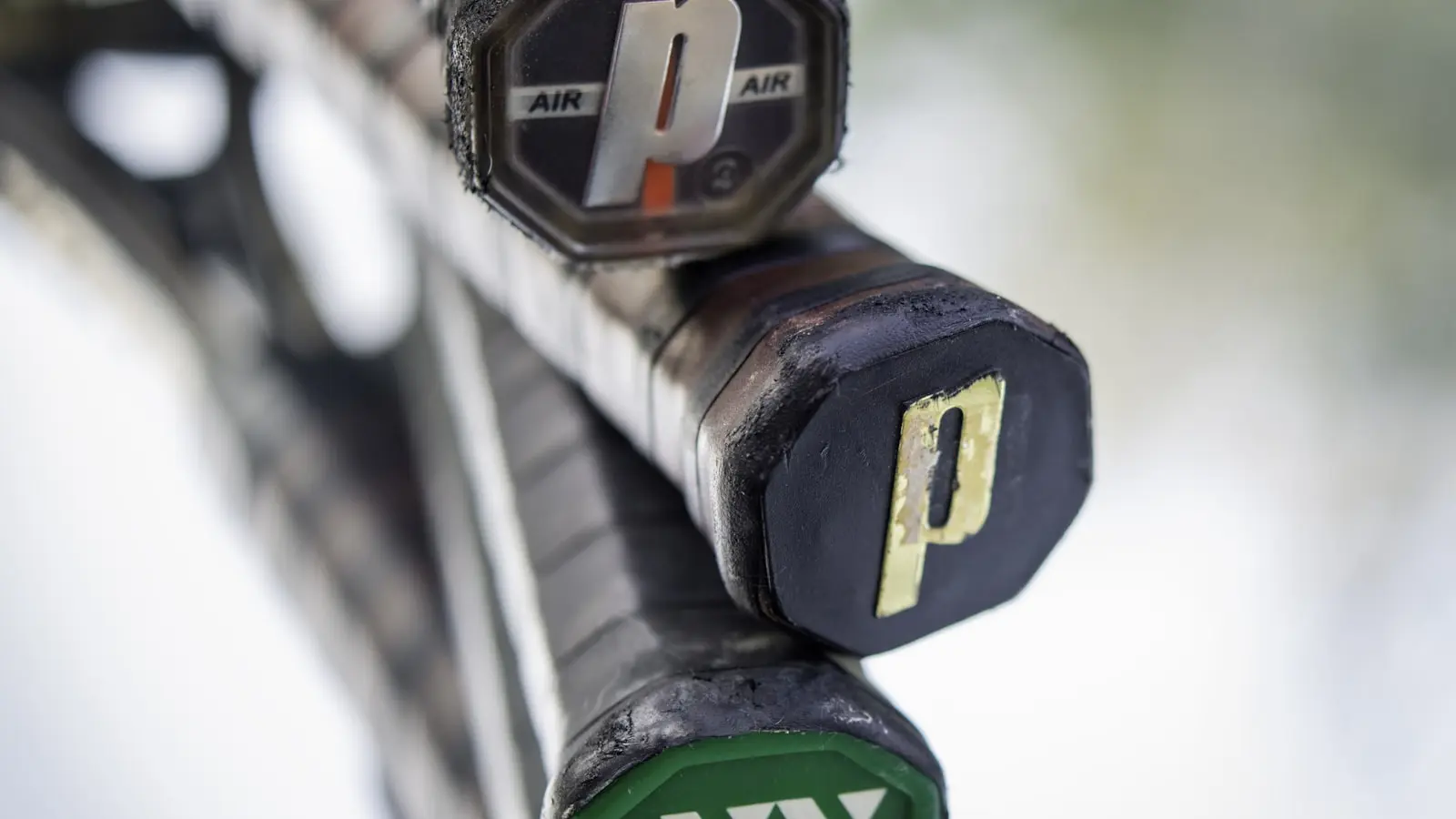
Athletes may consider Botox for excessive sweating when it repeatedly disrupts grip, footwear comfort, equipment handling, or confidence—not simply because they sweat during hard training. Botulinum toxin can reduce sweating in a targeted area, such as the underarms or palms, without stopping sweat production throughout the body.
The key trade-off is practical. Drier palms may improve equipment handling for some athletes, but hand injections can be uncomfortable and may cause temporary weakness. Botox is a medically supervised treatment for clinically significant sweating, not a routine fix for normal workout sweat.
Key Takeaways
- Sweating during exercise is a normal and necessary cooling response; heavy sweating alone does not mean an athlete has hyperhidrosis.
- Botox reduces sweating locally and does not shut down whole-body sweating or replace heat-safety planning.
- Palm treatment may help athletes with persistent sports equipment grip sweat, but temporary hand weakness can be consequential in skill- and grip-dependent sports.
- Underarm treatment is FDA-approved in the United States for severe primary axillary hyperhidrosis; treatment of palms and soles is generally off-label.
- Antiperspirants, permitted grip aids, footwear changes, iontophoresis, and medical assessment may be appropriate before or instead of injections.
When athlete sweating may be more than normal training sweat
Sweating during sport is useful physiology, not a defect. It helps move heat from the body to the skin, where evaporation supports cooling. Hard sessions, hot or humid weather, protective equipment, poor airflow, and heat acclimatization can all increase how much an athlete sweats.
The more useful question is whether the sweating is proportionate to the situation and manageable with ordinary sport routines. Hyperhidrosis refers to sweating that appears excessive for the circumstances or repeatedly interferes with daily life. In sport, that may mean hands becoming wet enough to compromise a racket, barbell, golf club, handlebar, ball, or other equipment even in relatively mild conditions.
A sweaty hands athlete may change technique, grip equipment too tightly, use extra energy stabilizing it, or avoid certain drills. In climbing, gymnastics, lifting, racquet sports, baseball, cycling, and shooting disciplines, the issue can be consistency rather than discomfort: sweat makes contact with equipment less predictable.
Foot sweating creates a different set of problems. Damp socks and shoes may make the foot feel less secure, increase discomfort, and contribute to friction-related skin issues. Underarm sweating is usually less relevant to grip, but it can affect chafing, clothing management, comfort, and confidence.
Heavy sweat alone does not establish hyperhidrosis. Medical assessment is especially important when sweating starts suddenly, occurs at night, affects the whole body rather than one area, continues well beyond exercise, or appears alongside fever, unexplained weight change, palpitations, or other symptoms. Medicines and medical conditions can also contribute to sweating, so identifying the cause matters before pursuing a sports hyperhidrosis treatment.
How Botox for athlete sweating works and where it is used
Botox for athlete sweating refers to botulinum toxin injections placed into a limited area of skin. The treatment interrupts nerve signaling that activates sweat glands, reducing sweating where it is injected. It does not switch off sweating across the body and should not be viewed as a whole-body cooling intervention.
In the United States, Botox is approved for severe primary underarm, or axillary, hyperhidrosis when topical treatments have not provided adequate control. Clinicians may also use botulinum toxin for the palms, soles, and other areas, but those uses are generally off-label. Off-label treatment is not automatically inappropriate; it means the decision should be individualized to the athlete’s symptoms, medical history, and sport demands.
Results are temporary. A reduction in sweating may become noticeable within days, with fuller effects developing over roughly two weeks. Benefits usually fade over months, although the timeline varies by treatment area, injection approach, and individual response. Repeat sessions may be needed if symptoms return and the benefit continues to outweigh the drawbacks.
That temporary nature affects both planning and cost. Botox can be useful for a defined problem, but it may require recurring appointments and out-of-pocket expense. It is best understood as symptom control, not a cure for hyperhidrosis or a guaranteed route to better athletic performance.
Hands, underarms, and feet create different sport trade-offs
The treatment area should match the actual problem. The goal is not to suppress sweating broadly, but to address the specific area where it disrupts participation.
Palms and sports equipment grip sweat
Palmar treatment may be relevant when wet hands repeatedly undermine contact with equipment. A tennis player struggling to hold a racket in humid conditions, a climber unable to trust a hold, or a lifter whose hands slip despite sensible grip management may have reason to discuss treatment with a clinician.
The trade-off is more significant in the hands than in the underarms. Palm injections can be uncomfortable, and temporary hand weakness is a recognized concern. For climbers, gymnasts, goalkeepers, golfers, pitchers, and racquet-sport athletes, even a modest change in hand strength, endurance, feel, or coordination may matter.
The right question is not simply, “Will drier hands improve grip?” It is, “Would less sweat outweigh even a temporary change in hand function for my sport?” A clinician should consider the dominant hand, the athlete’s skill demands, upcoming competition periods, and whether training can be modified while side effects settle.
Underarms and comfort management
Botox underarm sweating treatment may help athletes whose shirts become persistently soaked, whose skin becomes irritated, or whose comfort and confidence are affected in daily life as well as sport. Underarm treatment has less direct relevance to holding equipment, but reduced distraction and easier clothing management can still matter across a demanding training week.
Ordinary underarm sweat during a hard session is not a medical failure. Breathable apparel, layering choices, antiperspirants used as directed, and changing garments when practical may be enough for many athletes.
Feet, footwear, and skin comfort
Sole treatment may be considered for athletes whose feet remain excessively wet despite sock, shoe, and hygiene adjustments. The potential benefit is improved comfort and less slipping inside footwear. However, injections in the soles can be painful, and sport-specific evidence remains limited.
Lower-risk measures deserve a serious trial first. Moisture-managing socks, rotating and thoroughly drying shoes, adjusting insoles where appropriate, and checking shoe fit can reduce the effects of foot sweat. Foot comfort is often shaped by footwear design, training volume, weather, and skin care—not one factor alone.
Will local sweat reduction affect heat regulation?
The concern is reasonable: if sweating cools the body, could reducing sweat create a heat problem? Sweat is essential to temperature control. However, Botox for hyperhidrosis targets relatively small local areas rather than eliminating sweating across the body, so it is not intended to meaningfully shut down whole-body cooling.
That does not make hot-weather sport automatically safe. Heat illness risk reflects a wider picture: temperature, humidity, sun exposure, intensity, duration, protective gear, fitness, acclimatization, hydration status, sleep, illness, and access to breaks and cooling all matter. Local sweat treatment is not a substitute for any of those safeguards.
Athletes should continue to use weather-adjusted training, progressive heat acclimatization, suitable clothing, planned rest and cooling opportunities, and hydration strategies that fit the individual and session. Reduced sweating from the hands or underarms is not a reason to train harder in extreme conditions or dismiss warning signs.
Confusion, fainting, severe headache, nausea, chills, unusual weakness, worsening dizziness, or altered coordination during heat exposure need prompt attention. The practical principle is simple: treat a local sweating problem locally while respecting the whole-body demands of heat.
A practical decision path before injections
For mild or situational symptoms, noninvasive approaches are often the logical first step. Clinical-strength or prescription antiperspirants may help when used according to product or clinician guidance. Their usefulness depends on the body area and whether skin irritation becomes limiting.
Sport-specific management can also reduce the performance cost of sweat. Depending on sport and venue rules, options may include towels, permitted grip aids, gloves, chalk or other legal grip products, regular equipment cleaning, moisture-wicking clothing, absorbent socks, and shoe rotation. A useful training aid may not be permitted in competition, so athletes should check the relevant rules.
Training choices deserve equal attention. If grip failure occurs mainly late in hot sessions, the solution may involve session timing, rest intervals, cooling access, technical adjustments, or a better plan for changing towels and grips. These measures do not treat hyperhidrosis, but they can prevent normal training sweat from being mislabeled as a medical problem.
For clinically significant symptoms, a dermatologist, sports-medicine clinician, or primary-care clinician can discuss alternatives alongside Botox. Depending on the area and the athlete’s circumstances, options may include topical treatments, iontophoresis for hands or feet, oral medicines, or other procedures. None is universally suitable, and each has its own side-effect, convenience, and cost considerations.
A useful appointment starts with specific questions: Which body area causes the real problem? Does sweating occur outside training? What first-line measures have already been tried? Would temporary hand weakness be unacceptable in this sport? How will heat exposure be managed regardless of treatment? Clear answers make the decision more practical than chasing a general promise of less sweat.
FAQ: Is Botox safe for athletes with hyperhidrosis?
Botox can be appropriate for some athletes with hyperhidrosis when administered by a qualified clinician, but safety and suitability depend on the treatment area, medical history, injection technique, and sporting demands. Injection-site pain, swelling, and bruising can occur. With palm treatment, temporary weakness may be particularly important for athletes who rely on grip strength or fine hand control.
FAQ: How long does Botox for underarm or hand sweating last?
The effect is temporary and generally measured in months rather than days or weeks. Underarm results may last longer for some people than results in other areas, but no timeline is guaranteed. Athletes considering treatment should account for the possibility of repeat sessions if symptoms return.
FAQ: Can Botox in the hands improve sports grip without weakening it?
It may improve equipment handling when palm sweat is the main cause of grip failure. However, temporary hand weakness is a real potential downside, and its importance varies sharply by sport. Hand-dependent athletes should treat the decision as a sport-specific trade-off to review with an experienced clinician, not as a guaranteed grip upgrade.