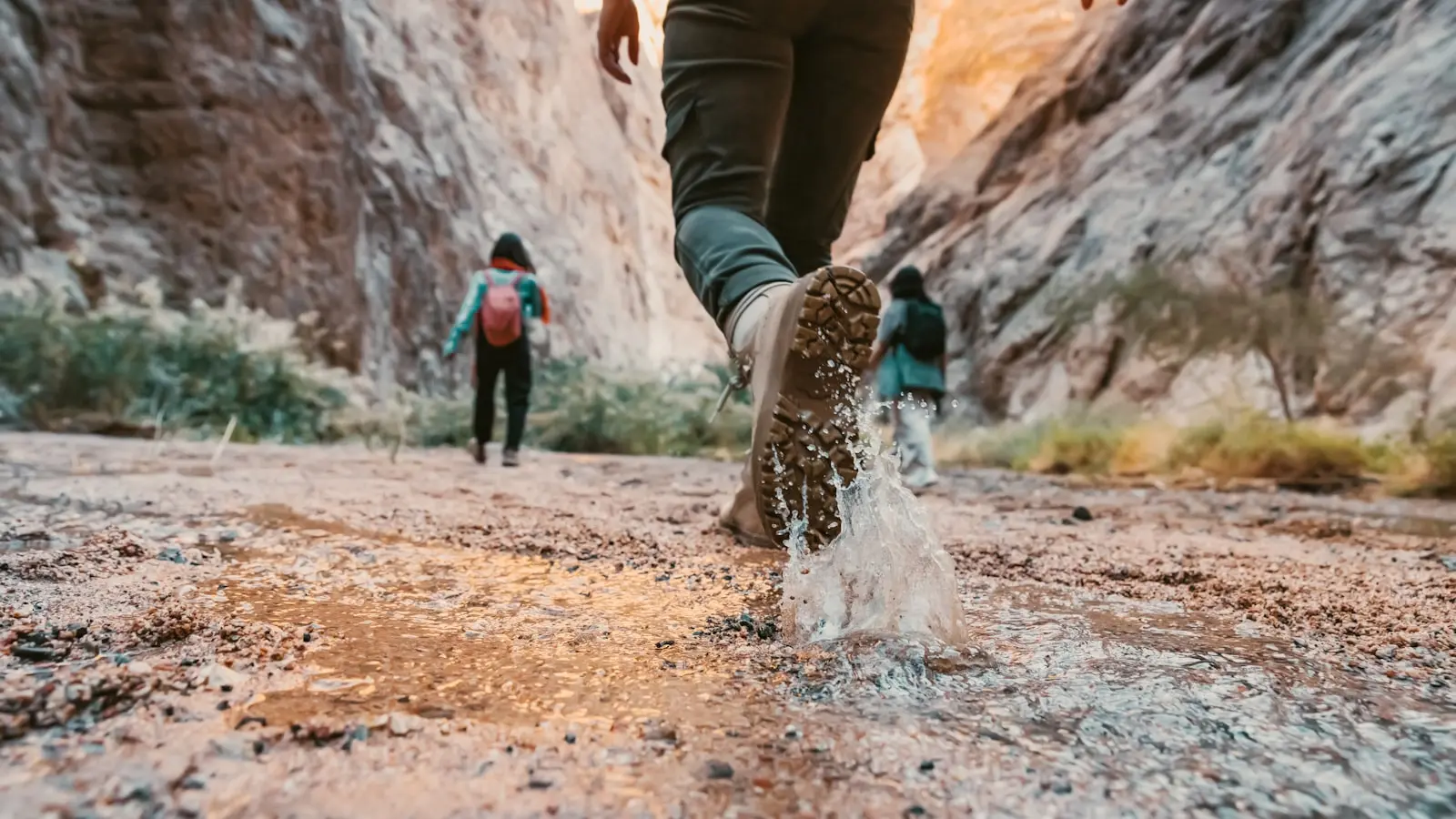
Why Dolomites Hiking Demands Specific Training
The Dolomites demand more than typical hiking fitness. Routes like the Alta Via 1 involve daily elevation gains of 500 to 1,000 meters on steep, rocky, and uneven terrain. Long descents place heavy eccentric loads on the quadriceps, leading to significant muscle damage and soreness over consecutive days. Many 4-day travelers find themselves underprepared if they relied only on general gym routines. The combination of sustained uphill effort, downhill braking, and constant balance adjustments means your training plan must target eccentric strength, cardiovascular endurance, and single-leg stability. Generic workouts focused on flat running or leg presses do not transfer effectively to these demands.
Key Takeaways
- Focus on eccentric exercises (slow lowering phases) to prepare for downhill muscle damage and soreness.
- Prioritize single-leg movements like step-ups, lunges, and Bulgarian split squats to build stability on uneven terrain.
- Combine incline cardio (treadmill at 10–15% grade or stair climbing) with strength training to match the demands of long, steep days.
- Start training at least 6–8 weeks before your trip and taper volume in the final week to arrive fresh.
The Top 6 Exercises for Dolomites Preparation
1. Step-ups Step-ups mimic the ascending motion of hiking on uneven steps. Use a box or bench at knee height. Step up slowly, driving through the heel, and control the descent. This builds quad and glute strength directly applicable to steep climbs. Aim for 3 sets of 10–12 reps per leg, adding a weighted vest as you progress.
2. Lunges (forward, walking, and reverse) Lunges are essential for eccentric control during descents. Focus on the lowering phase – take 3–4 seconds to return to the starting position. This trains your muscles to absorb shock on downhill sections, helping reduce post-hike soreness. Walking lunges also improve dynamic balance. Perform 3 sets of 8–10 reps per leg.
3. Bulgarian split squats This single-leg exercise targets the quads, glutes, hamstrings, and core simultaneously. It closely replicates the loaded, uneven stance required on rocky trails. Elevate your rear foot on a bench and lower your front leg until the thigh is parallel. Keep your torso upright. Start with bodyweight, then add dumbbells or a vest. Do 3 sets of 8–12 reps per leg.
4. Stair climbing Stair climbing develops both cardiovascular endurance and leg power for sustained uphill efforts. Use a stair climber machine or actual stairs. Maintain a steady pace for 30–45 minutes, gradually increasing duration. Wearing a weighted vest (starting at 5–10 lb) will simulate your day pack. This exercise has high transfer to Dolomites trails.
5. Deadlifts (conventional or Romanian) Deadlifts strengthen the posterior chain – glutes, hamstrings, and lower back. These muscles are crucial for carrying a pack and maintaining posture on steep climbs. Romanian deadlifts emphasize the hamstrings and glutes with less lower back load. Perform 3–4 sets of 8–10 reps with moderate weight, focusing on controlled form.
6. Box jumps (or low-level plyometrics) Box jumps improve explosive power and landing stability on rocky terrain. Start with a low box (12–18 inches) and prioritize soft, controlled landings. This trains your ankles and knees to react to uneven surfaces. If box jumps are too intense, substitute with lateral hops or step-downs from a low box. Do 3 sets of 6–8 reps.
Cardio: Build Endurance for Long, Steep Days
Cardiovascular conditioning must reflect the sustained effort of a multi-day hike. Flat running is less specific than hilly or inclined work. The most effective cardio for Dolomites preparation is incline walking on a treadmill set to 10–15% grade. Wear a weighted vest that approximates your day pack weight (typically 10–15 lb). Start with 30 minutes and build to 60 minutes over 6–8 weeks. Incorporate Zone 2 steady-state sessions (cycling, rowing, or swimming) for 40–60 minutes, 2–3 times per week. Aim for at least 3–4 hours of total cardio per week by your trip date. A stair climber session once a week adds specificity for sustained ascending.
Flexibility, Balance, and Core Work for Rocky Trails
Rocky, uneven trails demand more than leg strength. Core stability and balance can help reduce fall risk and improve shock absorption. Include these elements 2–3 times per week:
- Core exercises: Planks (front and side) for 30–60 seconds, dead bugs, and bird dogs. These improve torso stiffness, which helps keep you upright when carrying a pack.
- Single-leg balance drills: Stand on one foot on a cushion, BOSU ball, or folded towel for 30 seconds per side. Progress to closing your eyes or adding small arm movements to challenge proprioception.
- Hip flexor and ankle mobility: Tight hips and stiff ankles are common after long training sessions. Incorporate kneeling hip flexor stretches, ankle rolls, and calf stretches. Good ankle mobility helps you adapt to uneven footing and reduces rolled ankle risk.
Sample Weekly Workout Schedule (4–8 Weeks Pre-Trip)
Weeks 1–2: Foundation
- Strength (2 days): Bodyweight step-ups, lunges, Bulgarian split squats, planks. 3 sets of 10 reps per exercise.
- Cardio (2 days): 30-minute incline walk at 10% grade, no vest. Maintain a conversational pace.
- Mobility: 10 minutes after each session.
Weeks 3–4: Build
- Strength (2 days): Add a weighted vest (10% body weight) to step-ups and lunges. Increase to 3 sets of 12 reps. Introduce Romanian deadlifts (2 sets of 10).
- Cardio (2 days): 40-minute incline walk at 12% grade with vest. One stair climber session (30 minutes).
- Core and balance: Add dead bugs and single-leg balance drills (2 x 15 minutes).
Weeks 5–6: Intensity
- Strength (3 days): Include all six exercises. Use moderate weight (15% body weight on vest for step-ups). Deadlifts: 4 sets of 8. Box jumps: 3 sets of 6 with controlled landing.
- Cardio (3 days): One long endurance session (2+ hours of hiking or incline walking). Other sessions: 45-minute inclines with vest.
- Balance: Add one weekly session on uneven terrain (park trail or grassy hill).
Weeks 7–8: Peak and Taper
- Week 7: Maintain strength volume but reduce sets to 3; perform one full-day simulated hike (3–4 hours) carrying your pack.
- Week 8: Reduce total volume by 50%. Only light cardio (30-minute walks) and bodyweight strength. No weighted vest. Arrive on your trip fresh.
Common Training Mistakes and How to Avoid Injury
Neglecting eccentric work. Downhill sections cause the most soreness because muscles lengthen under load. Practice slow lowering in lunges and step-ups to condition your muscles for this demand. If you skip eccentric training, you may experience debilitating quad soreness on day two of your hike.
Ignoring core and balance. A weak core forces your lower back to compensate, especially with a pack. This increases fall risk on loose scree. Dedicate at least two sessions per week to core stability.
Overtraining without recovery. Your body adapts during rest, not during workouts. Schedule at least one full rest day per week and avoid back-to-back hard strength days. Soft tissue work (foam rolling) and stretching help maintain tendon health.
Using too much weight too soon. Weighted vests are effective, but adding more than 15% of your body weight early on stresses joints and can lead to patellar tendinopathy. Start with 5–10 lb and increase gradually only after you can complete sets with good form.
Skipping ankle strengthening. Weak ankles are vulnerable on rocky paths. Include calf raises (both straight and bent knee) and ankle alphabet exercises (tracing the alphabet with your toe) in your cool-down.
FAQ
1. How many weeks before my Dolomites trip should I start training? Start at least 6–8 weeks before departure. If you are already active, 4 weeks of targeted preparation can still improve your readiness, but shortening the timeline increases injury risk if you ramp up volume too quickly.
2. Is stair climbing or lunges better for downhill muscle soreness? Both are effective, but eccentric lunges (with a slow lowering phase) more directly train the muscle control needed for steep descents. Stair climbing builds overall endurance and quad strength. Combine both for best results.
3. Do I need to use a weighted vest during training? A weighted vest helps simulate your day pack, especially for incline walking and step-ups. Start with 5–10 lb and gradually add weight up to what your pack will weigh (typically 10–15 lb for a day hike). Avoid heavy vests early to protect joints.
4. Should I focus more on strength or cardio? Balance both. Strength exercises protect your knees and prepare your muscles for repeated loading, while cardio ensures you can sustain effort for hours. A common mistake is over-emphasizing one at the expense of the other.
5. Can I train if I have existing knee pain? If you have ongoing knee issues, consult a physical therapist before starting a new training program. Exercises like step-ups can be modified by reducing step height or using bodyweight only. Prioritize pain-free range of motion.