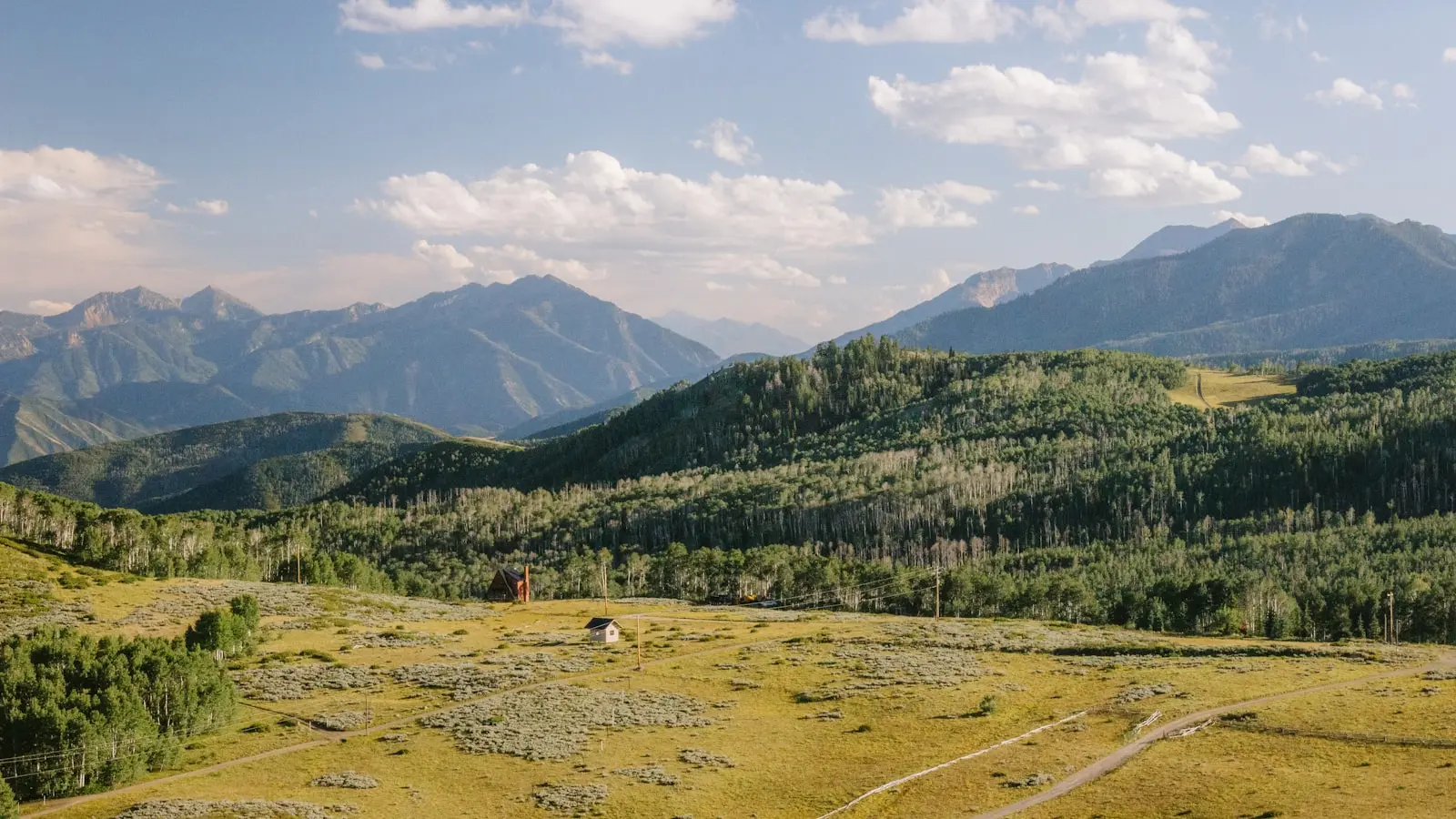
Many first-time visitors to Myanmar want to experience the country’s landscapes on foot without committing to a multi-day expedition. The good news is that several trails offer stunning scenery, minimal technical demands, and straightforward logistics. Below are the key takeaways and a detailed breakdown of the most beginner-friendly hikes.
Key Takeaways
- Bagan’s flat temple walk is the easiest beginner hike, suitable for any fitness level and no guide required.
- The Kalaw to Inle Lake day hike provides rolling hills and rural views; a guide is often mandatory for permits.
- Mount Popa’s 777 steps deliver a short but steep cardio challenge with panoramic views of the plains.
- Yangon’s riverfront trail is a flat urban walk ideal for a quick introduction to walking in Myanmar.
- The best hiking season runs from November to March; always check trail conditions before heading out.
What Defines a Beginner-Friendly Hike in Myanmar
A beginner-friendly hike typically has minimal elevation gain (under 300 meters), well-marked paths or easy navigation, a distance under 10 kilometers, and no requirement for technical gear like ropes or climbing equipment. Access by public transport or a short taxi ride from a major town is also essential. The dry season from November to March offers comfortable temperatures and dry trails, while the monsoon months from May to October bring mud and potential flooding, making some routes slippery or inaccessible. Common concerns include getting lost or needing a guide, but several routes can be done independently with basic planning.
1. Bagan Temple Walking Route (Old Bagan to Nyaung U)
The Bagan temple walking route is the easiest and most popular beginner hike in Myanmar. The terrain is flat, and the path winds through hundreds of ancient pagodas and temples. A typical walk from Old Bagan to Nyaung U covers about 4 to 6 kilometers, though you can extend it to 10 kilometers by exploring more temples. No guide is required; you can navigate with a map or an offline app. The best times are early morning or late afternoon to avoid intense midday heat. Cultural highlights include Ananda Temple and Thatbyinnyu Temple, and sunset views over the plains are unforgettable. This walk is comparable to a city stroll and is accessible to almost any fitness level.
2. Kalaw to Inle Lake Day Hike (First Day Section)
For a taste of rolling hills and rural life, the first day of the Kalaw to Inle Lake trek offers a bit more challenge while remaining manageable for beginners. This section covers roughly 10 to 12 kilometers through farmland, forests, and small villages. Elevation gain is moderate, with gradual ups and downs. Many visitors assume a guide is optional, but in this region, a guide is often required for permits and safety. Costs typically run $30 to $40 per day, which includes lunch and basic equipment advice. The best season is November to February, when temperatures are cooler. Hikers should bring at least 1.5 liters of water, sturdy shoes, and sun protection. The path is mostly dirt and uneven, so a reasonable level of walking fitness helps, but regular breaks make it manageable for most beginners.
3. Mount Popa Climb (Steep Steps, Short Distance)
Mount Popa offers a different kind of beginner hike: a short but steep stair climb to a monastery and pagoda perched on a volcanic plug. The route consists of 777 steps, covering about 1.5 kilometers one way. The elevation gain is significant due to the stairs, but the total distance is short, making it a good cardio workout that beginners can complete in under an hour each way. No guide is required, but caution is needed for monkeys and strong sun. Early morning visits help avoid heat and crowds. The panoramic view of the Bagan plains and the surrounding volcanic landscape is the payoff. This trail is ideal for travelers who want a quick physical challenge without committing to a long day hike.
4. Yangon Riverfront Walking Trail
For those with limited time or who prefer urban scenery, the Yangon riverfront walking trail is a flat, paved route that runs about 5 kilometers from Botataung Pagoda to the Strand Hotel area. The path follows the Yangon River, passing colonial buildings, jetties, and parks. It is safe during daylight hours and requires no guide. Cultural stops include Yangon City Hall and Maha Bandula Park. This walk offers a chance to see daily life along the waterfront and works well as a warm-up for longer treks. It is a practical beginner hiking option for travelers who want to explore on foot without leaving the city.
5. Choosing Between Guided and Unguided Hikes
Deciding whether to hire a guide depends on the trail and your comfort level. For routes in protected areas like the Kalaw region, a guide is often mandatory for permit and safety reasons. Guided day hikes cost roughly $30 to $50 per person, covering navigation, local knowledge, and emergency support. Self-guided options such as Bagan, Yangon riverfront, and Mount Popa are perfectly fine without a guide, as long as you have a map or app and start early enough to finish before dark. The trade-off is that guides provide cultural context and can handle logistical issues, while going solo gives more flexibility and lower cost. Many travelers start with a guided Kalaw day trip and then explore Bagan on their own.
Frequently Asked Questions
Do I need a guide for beginner hikes in Myanmar? Guides are mandatory for some trails, especially in Shan State like the Kalaw to Inle Lake trek. For short cultural walks such as Bagan or Yangon riverfront, a guide is optional. Hiring one can enhance your experience with historical insights, but self-guided navigation is straightforward.
What is the best time of year for beginner hiking in Myanmar? The dry season from November to March offers the most comfortable temperatures and dry trails. April to October brings rain, mud, and potential flooding, which can make some beginner paths slippery or inaccessible. Always check local conditions before planning a hike.
What should I pack for a day hike in Myanmar? Essentials include at least 1.5 liters of water, sun protection (hat, sunscreen), insect repellent, sturdy walking shoes, light long-sleeved clothing, snacks, and a map or offline navigation app. For guided treks, the operator usually provides lunch and equipment advice. In warmer months, extra water and electrolyte powder are helpful.