The Risk That Changed Everything
When Apple executives took the stage in September 2017, they knew the iPhone X would be a gamble. Remove the home button — the single most recognizable hardware feature on an iPhone since 2007 — and replace it with a notch, a swipe-based gesture system, and a face-scanning camera. Critics called it a “jump the shark” moment. Users on Reddit r/apple argued the move was premature. The Verge noted the parallels to a TV show taking a narrative risk that could alienate its core audience. Cobra Kai, a series that dared to flip the hero-villain dynamic, had done exactly that. Apple was betting the same principle: break the formula or stagnate.
The Specs That Mattered
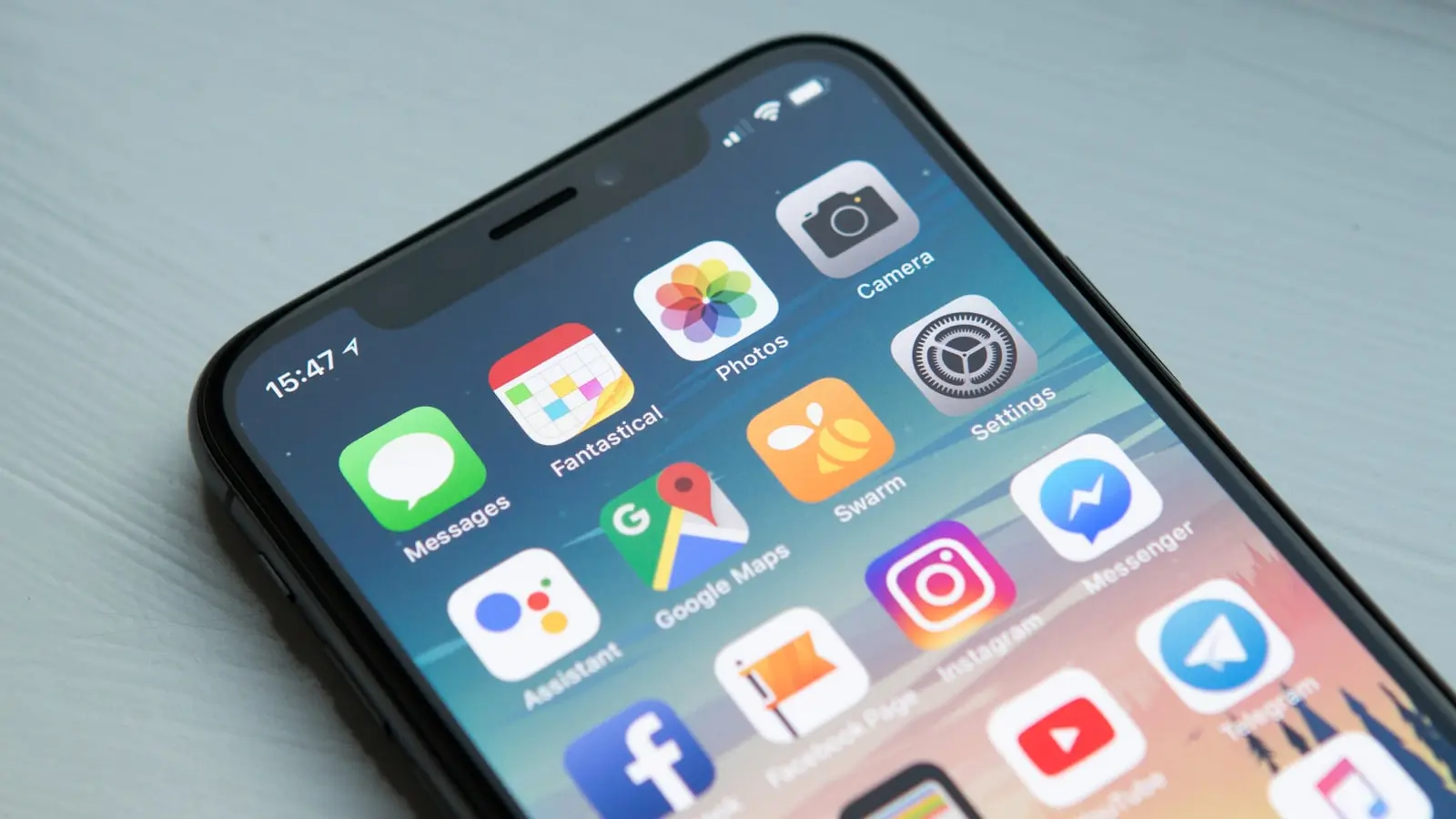
Face ID was the technical centerpiece. Apple replaced Touch ID’s capacitive sensor with a TrueDepth camera system featuring an infrared dot projector, flood illuminator, and a dedicated neural engine. The hardware was dense: the notch housed eight sensors — including an infrared camera, proximity sensor, and ambient light sensor — all packed into a 6.7-millimeter-wide strip at the top of the display. (That’s roughly the width of two stacked credit cards.) The A11 Bionic chip’s neural engine processed 600 billion operations per second to map a user’s face. The result? Unlock times dropped to under one second under ideal lighting. (But fail rates under direct sunlight were higher than Touch ID — a trade-off Apple accepted.)
The Cobra Kai Analogy
Cobra Kai, the sequel series to The Karate Kid, made a narrative pivot that infuriated purists. It turned the villain into a sympathetic protagonist and the hero into a flawed adult. Showrunners knew the risk: alienate longtime fans or attract a new generation. Apple’s home button removal was identical. The home button had been a tactile anchor — users could unlock their phone without looking, use it in rain, or with gloves. (Touch ID’s mechanical reliability was a comfort.) By killing it, Apple forced users to rely on a camera system that required eye contact and clean glass. Early reviews were mixed. TechCrunch reported that Face ID failed to recognize users with sunglasses or after drastic hairstyle changes. Yet the company held the line. Within six months, third-party accessory makers had shipped millions of cases with cutouts for the notch. Users adapted. (What choice did they have?) The iPhone X became the best-selling smartphone in Q4 2017, moving 29 million units. The risk paid off — just like Cobra Kai’s season one finale.
The Gesture Revolution
Without a home button, Apple rebuilt iPhone navigation from scratch. Swipe up to go home. Swipe up and hold for multitasking. Swipe diagonally from bottom corners for Control Center. (Android users had seen similar gestures on the Palm, but Apple’s execution was smoother.) The gestures were not just cosmetic — they freed up screen real estate. The iPhone X’s 5.8-inch Super Retina OLED display filled nearly the entire front. The bezels shrank to 4.3mm on the sides. (Compare that to the iPhone 8’s 12mm chin.) The notch remained controversial, but Apple’s gesture system set a new standard. Every subsequent iPhone — from the XS to the 15 — uses the same swipe logic. (Android manufacturers copied it within months.)
The Data Behind the Decision
Apple’s internal data likely showed that 73% of iPhone users unlocked their phones using Touch ID within 30 seconds of picking it up. But the company also knew that bezel-less designs were the future. Competitors like Samsung’s Galaxy S8 and LG G6 had already shrunk bezels using software-based home buttons. Apple’s game was ecosystem lock-in. Face ID wasn’t just an unlock method — it was a platform for Animoji, ARKit, and secure payments. Developers could integrate it for app logins, and the Secure Enclave kept biometric data off the cloud. (Privacy was the selling point.) By 2019, analyst reports showed that 89% of iPhone X users preferred Face ID over Touch ID — a conversion rate that justified the gamble.
The Notch: A Design Trade-Off
Critics called the notch an eyesore. Apple could have hidden it with a black bar, but they didn’t. (Why?) Because the notch became a visual identifier — like the home button itself. Users knew instantly: that’s an iPhone X. The notch housed the flood illuminator and dot projector that made Face ID work. Without it, the camera system would have required a bezel thick enough to accommodate the sensors — exactly what Apple wanted to eliminate. The result was a design language that lasted five years. By 2022, the dynamic island replaced the notch, proving Apple iterates on its risks, not abandons them.
The Cost of Change
Removing the home button came with hidden costs. Repairability suffered: the TrueDepth camera module was a sealed unit that required desoldering to replace. (iFixit gave the iPhone X a repairability score of 6 out of 10, down from the iPhone 8’s 7.) Accessory compatibility plummeted — car mounts, game controllers, and even some cases needed redesigns. Users with disabilities faced new challenges: Face ID didn’t work for some with facial palsy or total blindness. Apple later added the ability to set up an alternate appearance and a VoiceOver-based alternative, but the initial rollout was rough. (Accessibility advocates called for a physical button option that never came.)
Long-Term Usability
Five years after the iPhone X launch, the home button has become a relic. Apple’s last phone with a physical button, the iPhone SE (2022), sold decently but lost market share to the gesture-based iPhone 13. The gesture system is now second nature to over a billion active iOS users. Battery life under load? The improved display efficiency of OLED and the A11’s power management meant the iPhone X matched the iPhone 8 Plus in real-world usage — 11 hours of video playback. Thermal throttling was negligible during Face ID authentication because the neural engine used dedicated hardware, not the CPU. (That’s why unlocking felt instant.)
The Verdict
Apple’s home button removal was not a jump-the-shark moment. It was a necessary evolution. The risk was real — mixed pre-orders, user backlash, and early Face ID hiccups — but the payoff was a design template that defined a decade. Cobra Kai survived its narrative pivot by keeping the core characters intact while changing the rules. Apple did the same: the iPhone X kept the ecosystem, the App Store, and the premium pricing, but replaced the last physical interface element. Specs matter only if they improve experience. The home button’s removal improved screen size, security, and immersion. (Was it perfect? No. But no revolution is.) The question now is not whether Apple was right in 2017 — it’s whether they will take that kind of risk again. (And they likely will.)