Yellowstone follows the Dutton family, led by patriarch John Dutton (Kevin Costner), as they fight to maintain control of the largest contiguous ranch in the United States. Set against Montana’s stunning landscapes, the series pits the Duttons against land developers, an Indian reservation, and the federal government. Despite a tepid critical reception, the show became a ratings juggernaut, drawing over 12 million live viewers per episode by its fourth season. The question lingers: is Yellowstone genuinely bad, or are its detractors missing something?
Key Takeaways
- Yellowstone’s appeal lies in its immersive world-building and Kevin Costner’s performance, not in tight plotting or moral nuance.
- Common criticisms include slow pacing, melodramatic twists, and unclear moral framing of its violent protagonists.
- The show functions best as a modern western soap opera, not a prestige drama, which explains the divide between audience enjoyment and critical dismissal.
- Viewer demographics—older, rural, and more conservative—help explain why the show resonates with millions while frustrating critics.
- Whether you enjoy Yellowstone depends largely on genre expectations; adjusting those may reveal a satisfying, if flawed, family saga.
The Yellowstone Phenomenon: Premise and Unstoppable Popularity
Yellowstone is a modern western drenched in violence, family loyalty, and land-rights drama. Its cultural footprint is undeniable—it spawned prequels, merchandise, and boosted Montana tourism. Yet its polarizing reception leaves many viewers confused. To understand the debate, we examine the valid criticisms and undeniable strengths.
The Case Against Yellowstone: Valid Criticisms That Explain the Frustration
Pacing is a common pain point. Long stretches of episodes can feel uneventful, lingering on ranch work or landscape shots rather than advancing the plot. For viewers accustomed to tight, plot-driven dramas, this feels like filler.
Melodrama dominates. Plot twists often defy logic: multiple murders go uninvestigated, characters survive seemingly fatal attacks, and legal consequences rarely touch the Duttons. The show’s moral compass is notoriously unclear—the Duttons commit cold-blooded murder, yet the framing presents them as heroic defenders of a vanishing way of life. This cognitive dissonance frustrates many.
The dialogue, written entirely by creator Taylor Sheridan, has been described as bloviating monologues. Characters frequently lecture each other about ranching, land ownership, and family duty. Some find it poetic; others find it preachy.
Critical reception has been mixed, with many reviewers pointing to melodrama as a key weakness. Critics have described the show as too melodramatic to be taken seriously, diminishing the effects of the talented cast and beautiful backdrops.
The Defense: What Yellowstone Does Undeniably Well
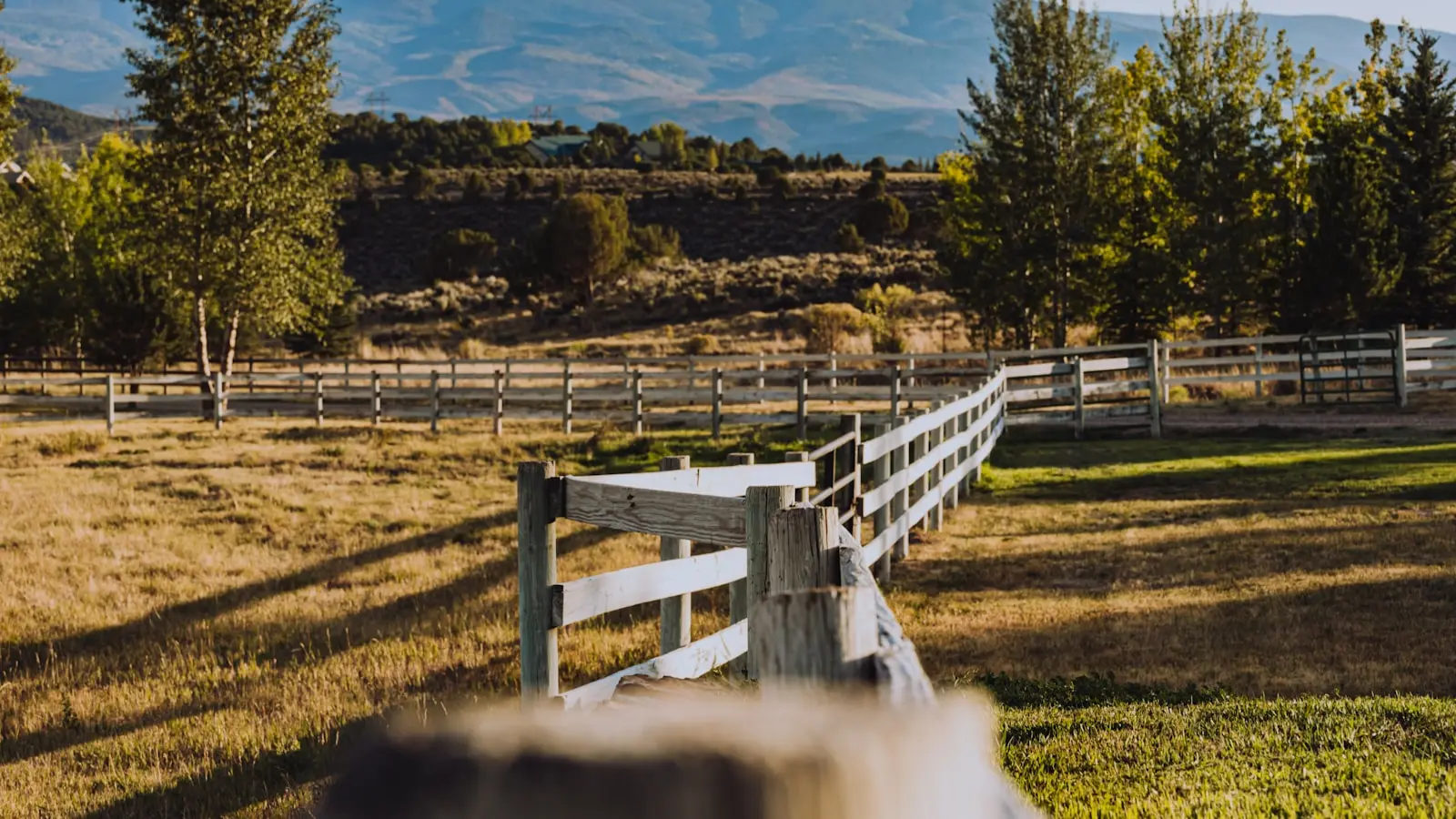
Despite its flaws, Yellowstone has genuine strengths. Foremost is cinematography. Shot on location in Montana and Utah, the series offers breathtaking vistas of the American West. The landscape is a character in itself, evoking a sense of place few modern shows achieve.
Kevin Costner’s performance as John Dutton is widely praised. He brings gravitas and weariness that anchors the series, giving the family drama emotional weight even when the plot strains credibility. The supporting cast also delivers: Kelly Reilly’s Beth Dutton is a scene-stealing blend of vulnerability and viciousness; Cole Hauser’s Rip Wheeler offers stoic loyalty. The ensemble chemistry creates a lived-in family dynamic.
Above all, Yellowstone excels at world-building. It immerses viewers in the rhythms of ranch life—branding, horseback rides, early mornings, harsh winters. For many audiences, that immersive quality outweighs narrative weaknesses. The show creates a universe they want to inhabit, even when the plot stumbles.
Genre, Expectations, and the “Western Soap Opera” Label
Much of the debate comes down to genre expectations. Prestige dramas like The Sopranos, Breaking Bad, and Succession are measured by tight plotting, moral complexity, and character evolution. Yellowstone shares surface similarities—a powerful family, violence, betrayal—but operates on a different frequency.
Yellowstone is best understood as a modern western with heavy soap opera DNA. Soap operas prioritize emotional highs, dramatic reversals, and extended storylines over realism or subtlety. Once you accept that framework, many supposed flaws become features: melodrama, repetitive monologues, moral ambiguity.
Traditional prestige TV criteria simply do not apply well here. Yellowstone does not ask to be a probing character study; it asks to be a sprawling, mythic saga about land, legacy, and the end of an era. Judging it by the standards of a tightly plotted crime drama is like judging a country song by classical music rules.
The Cultural Divide: Who Loves Yellowstone, Who Hates It, and Why
Yellowstone’s audience skews older, more rural, and more conservative than typical prestige drama audiences. Viewing data indicates it had the lowest proportion of non-white viewership of any series at the time, at 23%. This demographic disconnect helps explain the polarized reception.
The show speaks directly to anxieties of the “American Gentry”—local landowners and business elites who feel their way of life is threatened by urbanization, outside developers, and government regulation. John Dutton’s fight to preserve his ranch resonates deeply with viewers who see themselves as defenders of tradition.
Urban critics often view the Duttons as entitled, violent landowners. The show’s celebration of rugged individualism can feel like romanticizing privilege. The result is a cultural feedback loop: fans feel validated, critics see it as naive or dangerous.
Nostalgia also plays a role. The western genre trades on a mythologized past—a time when men were men, the land was wild, and justice was personal. Yellowstone taps into that mythology, and for many, that emotional connection overrides logical plot holes.
Is Yellowstone a Bad Show? A Balanced Verdict for the Confused Viewer
Where does that leave a viewer who finds Yellowstone frustrating? The honest answer is that the show is neither great nor terrible. It is a unique outlier that defies easy categorization.
Yellowstone succeeds brilliantly as an immersive, populist drama. It gives its audience a world to escape into, characters to root for, and stakes that feel epic. It fails by conventional prestige standards: plotting is uneven, moral framing is muddy, and dialogue can be heavy-handed.
If you dislike slow pacing, melodrama, and characters who commit crimes without consequence, your frustration is valid. The criticisms are well-documented. But if you go in expecting a soapy western rather than a tight prestige drama, you may find plenty to enjoy. The show rewards patience and tolerance for narrative excess.
The key is adjusted expectations. Yellowstone is not The Sopranos. It is a big, beautiful, messy family saga that loves its setting and characters, flaws and all. Whether that makes it a bad show depends on what you ask of it.
Frequently Asked Questions
Is Yellowstone worth watching if I typically hate slow-moving dramas? Probably not. The pacing is a common pain point, and the appeal lies in atmosphere and family saga rather than rapid plot advancement.
Why do critics rate Yellowstone lower than audiences? Critics apply traditional drama standards such as coherence and moral nuance. Audiences value the western aesthetic, performances, and emotional stakes that critics often dismiss as melodrama.
Does Yellowstone’s quality change across its five seasons? Yes. Early seasons have stronger critical reception. Later seasons, especially after Kevin Costner’s reduced involvement as reported in press, are often considered weaker by both fans and critics. The tone remains consistent, so if you dislike the first season, later ones may not change your mind.