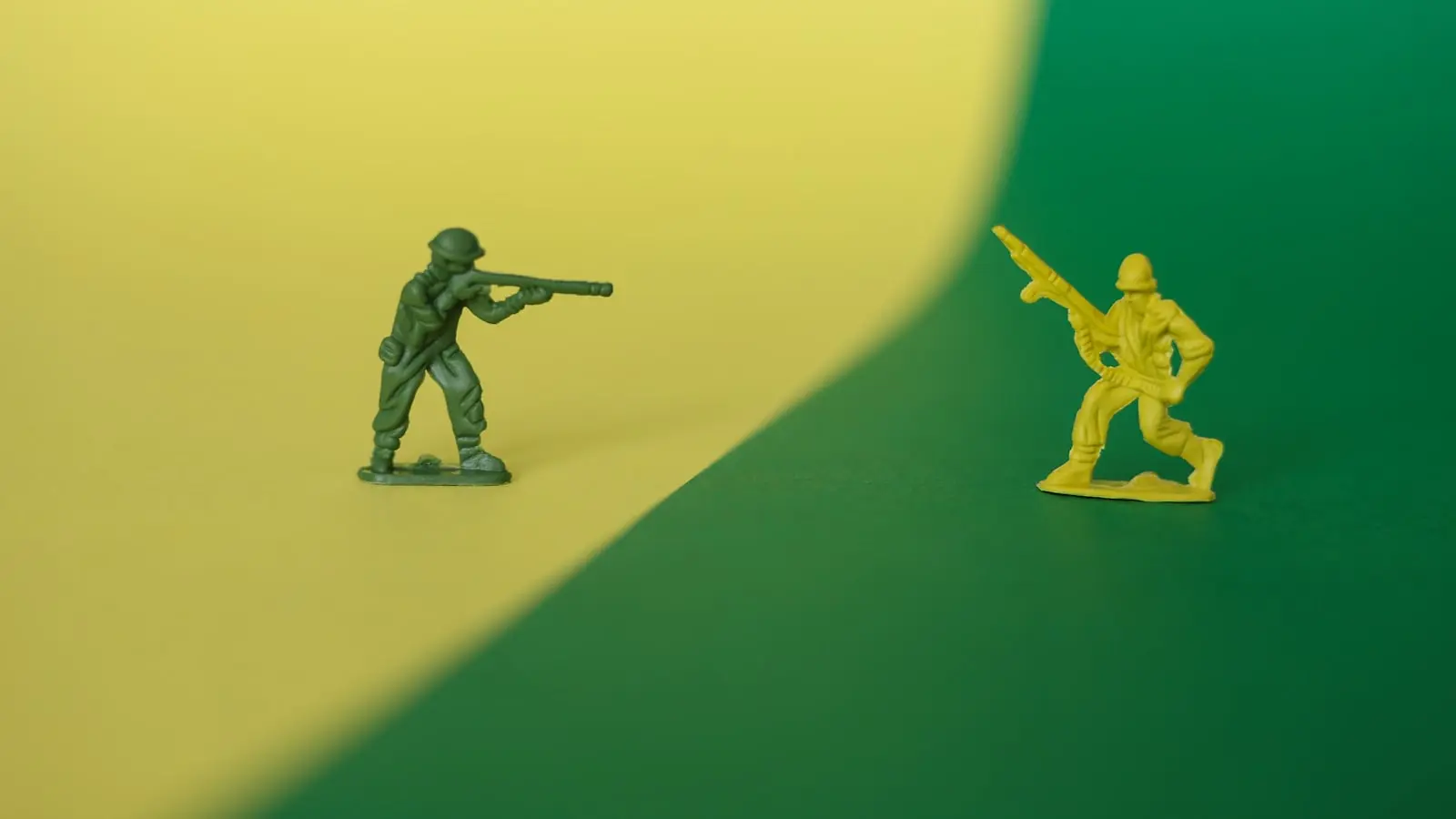

The landscape of generative artificial intelligence shifted abruptly on March 13, 2026, when OpenAI announced a strategic partnership to integrate its models into classified military operations. This pivot marks a definitive abandonment of the non-proliferation commitments previously shared with rivals like Anthropic. Within twenty-four hours, the digital footprint of the firm began to fracture. Data indicates a 295 percent spike in ChatGPT uninstalls across major mobile platforms. (The speed of this exodus is unprecedented for a utility of this scale.)
The Breakdown of Internal and External Trust
The resignation of high-level hardware executive Caitlin Kalinowski serves as a structural indicator of internal instability. Kalinowski cited the deployment as “rushed” and lacking the necessary safety guardrails required for high-stakes defensive implementation. When leadership bypasses internal dissent for the sake of lucrative government contracts, the technical roadmap often suffers from a lack of focus. (Is the pursuit of defense revenue worth the loss of core talent?)
OpenAI has attempted to contain the narrative by publicly delineating its remaining boundaries. The company claims it forbids the use of its models for autonomous weapon systems or mass autonomous surveillance. However, history suggests that once a model enters a classified military ecosystem, operational control shifts to the end-user. The line between administrative logistics and tactical support is historically thin. If the firm cannot guarantee total endpoint control, these promises function as little more than PR window dressing.
Market Displacement and Competitive Shifts
Market response was near-instantaneous. Anthropic saw its platform, Claude, climb to the top spot on the App Store rankings as displaced users sought an alternative they perceived as having fewer military entanglements. This suggests that the enterprise and consumer market is not yet desensitized to the militarization of civilian AI tools. Users are demonstrating a preference for platforms that maintain a firewall between commercial innovation and state-level offensive capabilities.
| Metric | Impact of OpenAI Announcement |
|---|---|
| ChatGPT Uninstalls | 295% Increase |
| Claude App Store Rank | #1 |
| Internal Sentiment | High Friction / Resignations |
| Public Stance | Military Cooperation (Limited) |
Technical Implications for Global AI Governance
The decision to reverse prior ethical guardrails establishes a dangerous precedent. When a dominant player in the industry chooses to normalize military integration, it triggers a competitive race to the bottom. Other labs may feel compelled to follow suit to secure institutional funding, effectively removing the ethical self-regulation that defined the early era of Large Language Models. (The industry is trading its moral capital for quarterly stability.)
For technical stakeholders, the shift creates a security dilemma. If the underlying models are compromised by adversarial testing or if the training data is tainted by military-grade security requirements, the efficacy of these tools for standard commercial tasks may decline. Performance degradation is a frequent consequence of over-constraining models to meet specialized state-level protocols.
Ultimately, OpenAI has moved from a research-first culture to a utility-contracting model. While the infusion of government capital provides liquidity, it introduces a level of regulatory and reputational risk that the company may not be prepared to manage. Users are voting with their feet. The message is clear: the trust required to maintain a lead in this space is far easier to lose than it is to build.