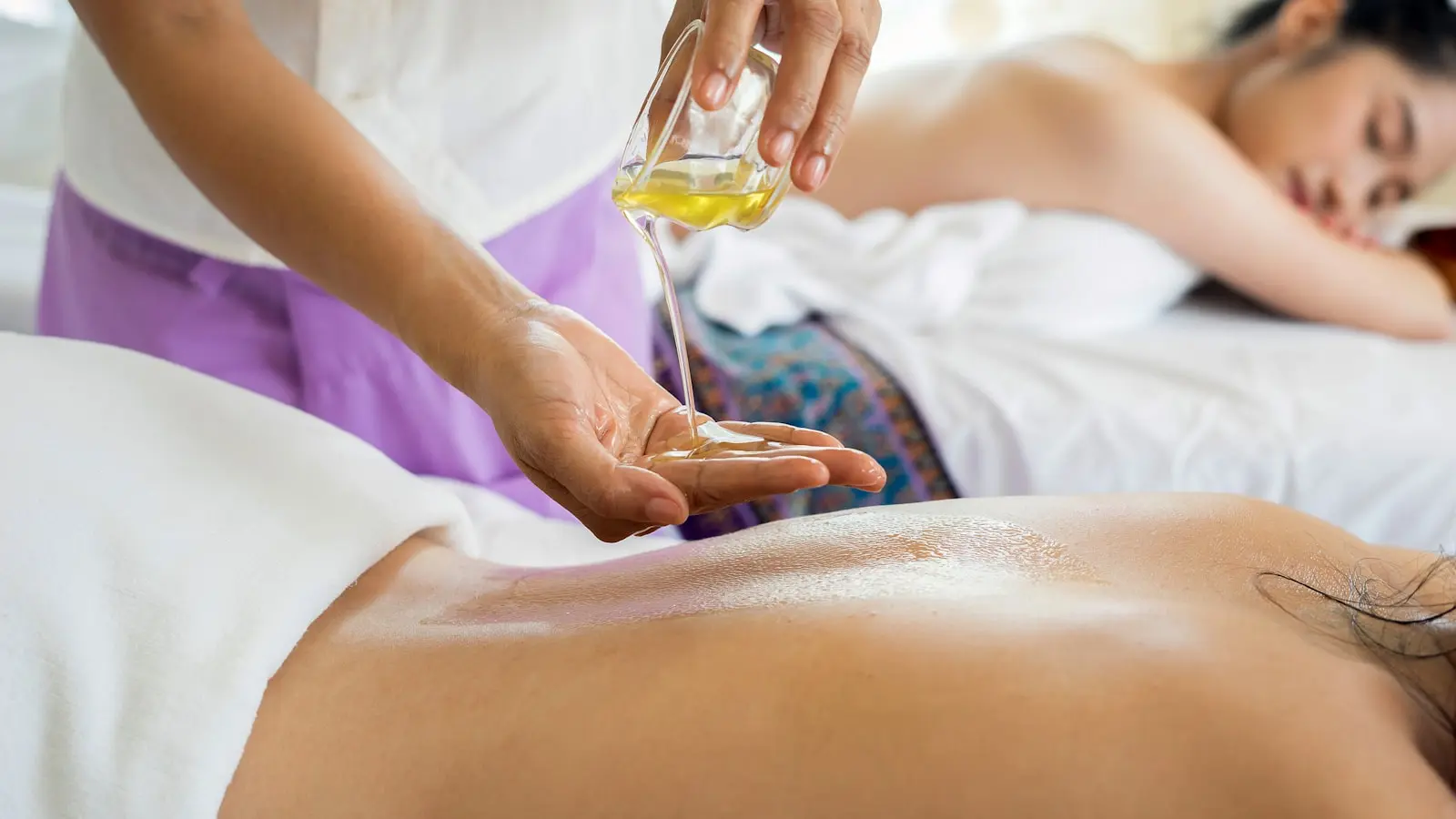

A quiet hum replaces the clang of iron. The scent of palo santo and cedarwood displaces the familiar, acrid smell of sweat and rubberized flooring. In cities that pride themselves on noise and velocity, a new kind of social space is emerging, one defined not by volume but by its intentional absence. The exclusive wellness club has arrived, supplanting the boisterous pub and the transactional coffee shop as the proverbial ‘third place’ for a generation searching for connection in an era of profound disconnection.
This is not the gym as it was once understood. The calculus has changed. Where fitness was once a simple equation of calories burned and muscles built, wellness is an immersive ecosystem. Jonathan Leary, the mind behind Remedy Place, envisions these sanctuaries hosting birthday celebrations and bachelorette parties, swapping champagne flutes for intravenous drips and custom wellness programs. His is not a fringe idea. It signals a fundamental rewiring of social ritual. The celebration of a life milestone now finds its anchor in recovery and self-care, a stark pivot from celebratory excess. In New York, the impending arrival of Saint, a private facility dedicated to the elemental dance of sauna and ice, underscores the movement. Its purpose is not merely to offer amenities but to engineer a deliberate severance from the frantic pulse of the city outside its walls.
The pandemic acted as a powerful accelerant, not a catalyst. It laid bare a collective yearning for resilience, transforming preventative health from a niche interest into a mainstream imperative. As traditional gyms became commoditized battlegrounds of price wars and crowded classes, a space opened at the premium end of the market. This new vanguard of wellness clubs does not sell access to equipment; it curates experiences. It trades in community, atmosphere, and the elusive promise of a better-managed self. Analysts at McKinsey confirm this migration, noting a significant surge in demand for in-person wellness services, particularly where they intersect with travel and hospitality.
The Architecture of Stillness
Enter one of these modern sanctuaries, and the first thing you notice is the design’s intent to lower your heart rate. The lighting is diffuse, often mimicking natural circadian rhythms. Materials are drawn from the earth: limestone, reclaimed wood, raw concrete, and brushed bronze. Sound is managed with acoustic paneling, the ambient score a subtle mix of binaural beats or minimalist electronica. Every surface, every scent, every sound is calibrated to guide the nervous system away from a state of fight-or-flight and toward one of rest-and-digest. This is the architecture of decompression.
The layout itself rejects the open-plan, high-energy model of a conventional fitness center. Spaces are cellular, designed for privacy and introspection. A room for meditation might feature nothing more than cushions on a polished concrete floor. A chamber for cryotherapy stands like a futuristic column, promising a brief, sharp shock to reset the body’s systems. The social hubs are not juice bars tacked on as an afterthought but lounges designed with the gravitas of a high-end hotel lobby, furnished with deep-set sofas and low tables that encourage quiet conversation. (A stark departure from the utilitarian gym.) The design shapes behavior. It suggests that the most important work to be done here is internal.
Contrast therapy circuits—the oscillation between extreme heat and cold—form the centerpiece of many of these clubs. At Saint, the experience is elevated to a form of secular ritual. The sauna is not just a hot room; it is a chamber for shedding the day’s armor. The ice bath is not just a tub of cold water; it is a crucible for mental fortitude. The shared experience of enduring these extremes fosters a unique and powerful bond. Strangers who plunge into icy water together emerge with a sense of shared accomplishment that a treadmill session could never replicate. It is a community forged in voluntary adversity.
Programming a New Social Contract
The shift extends beyond the physical space to the programming itself. The vocabulary has evolved. One does not simply take a class; one participates in a guided breathwork journey or a sound bath ceremony. These are not workouts; they are rituals designed to modulate physiology and consciousness. The instructor is less a drill sergeant and more a facilitator, guiding members through experiences rather than barking out repetitions. The focus moves from external performance metrics—how much you lift, how fast you run—to internal states of being.
This recalibration reflects a broader cultural shift. In a world of performative wellness, where green juices and workout selfies populate social media feeds, these clubs offer a space for the unglamorous, internal work. The value is not in the photo opportunity but in the tangible feeling of a regulated nervous system, of reduced inflammation, of mental clarity. (And the price tag reflects it.) Membership is a significant financial investment, creating a barrier to entry that ensures the community is self-selecting. The clientele is not necessarily seeking to be seen, but to connect with others who share a similar value system—one that places a premium on health as a non-negotiable pillar of a successful life.
This convergence of luxury hospitality and preventative healthcare is a potent combination. The service is seamless, personalized, and anticipatory. Staff know members by name, understand their goals, and guide their experience. It is the application of five-star hotel principles to the domain of self-improvement. The club becomes a trusted partner in a member’s life, a resource for everything from nutritional advice to stress management techniques. This transforms the relationship from a transactional gym membership, often neglected, into an integral lifestyle investment.
Wellness Beyond the City Walls
The philosophy animating these urban clubs is rippling outward, reshaping the landscape of travel. The concept of a vacation as a purely hedonistic escape is being challenged by a new breed of wellness-based travel. Fitness retreats, once the domain of hardcore yogis or athletes, have become mainstream. Boutique getaways focused on surfing, hiking, or functional fitness offer a way to combine leisure with skill acquisition and physical conditioning.
The destination is no longer just a backdrop for relaxation but an active participant in the guest’s well-being. Hotels are integrating advanced wellness facilities, moving beyond the basic spa to offer cryotherapy, hyperbaric oxygen chambers, and personalized health consultations. Travel is becoming an extension of the wellness lifestyle, an opportunity to deepen practices established at home or to reset entirely in a new and stimulating environment.
As these exclusive wellness clubs solidify their role as the new social hubs, they pose important questions about the future of our cities. Do they foster genuine community, or do they simply create more insulated enclaves for the affluent? While they offer a powerful antidote to the loneliness and burnout of modern urban life, their exclusivity can also reinforce social stratification. (A question worth asking.) The challenge, moving forward, will be to see if the principles they champion—intentionality, connection, and proactive health—can find expression in more accessible forms.
Ultimately, the rise of the exclusive wellness club is a mirror reflecting contemporary desires. It speaks to a deep-seated need for quiet in a world of noise, for tangible reality in an age of digital abstraction, and for meaningful connection in a time of social fragmentation. It proposes a new kind of social contract, where the ultimate luxury is not an expensive watch or a fast car, but a well-tended mind in a resilient body. It is a space where one goes not to escape life, but to learn how to inhabit it more fully.