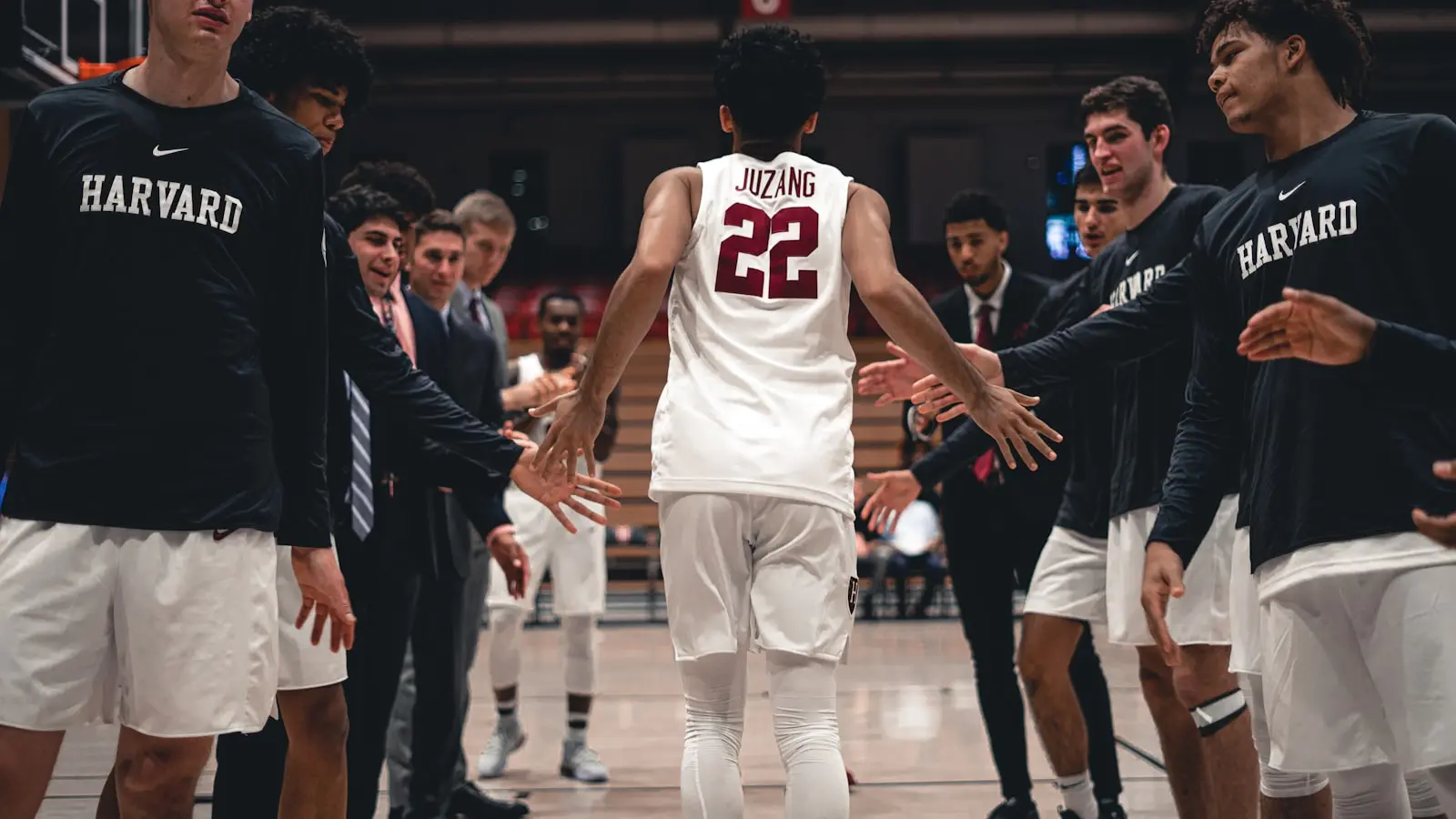
A fewer possessions basketball strategy can help a weaker team keep a game within reach by limiting chances for a stronger opponent’s talent, depth, and efficiency to build a large lead. But slowing the game is not a shortcut to winning. It works only when the slower team can still create credible shots, protect the ball, rebound, and prevent transition.
A low score is not automatically passive basketball or poor coaching. Effective tempo control changes the type of contest being played: fewer open-floor attacks, more half-court decisions, and greater value attached to every trip.
Key Takeaways
- Fewer possessions can make a one-game result less predictable, but they do not erase a real gap in team quality.
- Pace measures how many scoring opportunities a game creates; points per possession measures how efficiently teams use them.
- Productive slow pace means better shot selection, ball security, transition defense, and defensive rebounding—not simply using the full shot clock.
- A trailing team usually needs more possessions, while a team protecting a lead may benefit from longer, high-quality trips.
What Counts as a Possession and What Pace Actually Measures
A possession is one team’s offensive opportunity. It usually ends with a made basket, a turnover, or a missed shot secured by the defense. Free throws and unusual end-of-period sequences can complicate the count, which is why possession totals are often estimated rather than counted directly.
Common estimates use field-goal attempts, offensive rebounds, turnovers, and free-throw attempts. The exact formula can vary slightly by league or analytics provider, especially in how it handles free throws. The central idea is simple: possessions measure opportunities to score, not merely how long a team holds the ball.
Pace is the number of possessions produced over a standardized game length. A fast game creates more trips up and down the floor. A slow game creates fewer, often because offenses use more of the clock and defenses limit quick transition chances.
That distinction matters because points per game can be misleading. A team may allow a low total simply because the game had fewer possessions. Points per possession is more useful for judging efficiency because it asks how well a team scores or defends each time it has an opportunity.
Playing slowly, then, should not mean dribbling until the shot clock is nearly empty. Productive tempo control basketball means choosing when to push, when to organize, and how to pursue a worthwhile shot without giving the opponent extra chances.
Why Fewer Possessions Can Give an Underdog a Better Chance
If a stronger team is likely to score more efficiently over time, a faster game gives that advantage more chances to appear on the scoreboard. More possessions do not guarantee a blowout, but they give the better side more opportunities to separate through superior shooting, deeper rotations, transition scoring, or favorable matchups.
Reducing possessions can make a single game less predictable. A short shooting run, early foul trouble, a turnover sequence, or one poor late-game decision represents a larger share of a 60-possession game than a 75-possession game. That can make an upset more plausible without making the underdog the better team.
Consider a purely hypothetical example. Suppose a favorite averages 1.10 points per possession and an underdog averages 0.95. Across 75 possessions, those rates would produce about 82.5 points for the favorite and 71.25 for the underdog, an expected gap of 11.25 points.
Across 60 possessions, the same illustrative rates produce 66 points and 57 points, a 9-point gap. The underdog has not improved its underlying quality. It has reduced the number of opportunities for the favorite’s advantage to accumulate, while making short-term swings more important.
That is the key distinction: fewer possessions may increase upset potential, but they do not automatically improve expected performance. Variance is not magic. If the underdog gives up layups, loses the ball, fails to finish defensive possessions, and settles for difficult shots, a slower game may simply leave it with fewer chances to recover.
How Productive Tempo Control Works on the Court
A sound basketball pace strategy starts with offensive patience, not hesitation. The team should seek a favorable matchup, paint touch, open perimeter look, or controlled drive rather than firing an early contested shot. Using more clock is valuable only if it improves the decision that follows.
That requires organized clock management. Players need a first action, a second option, and a reliable late-clock release valve. Without that structure, a slow offense becomes predictable: one player dribbles, off-ball movement stops, and the possession ends with a rushed shot.
Transition prevention is equally important. A team cannot claim to control pace if it spends 20 seconds organizing offense and then gives up a fast break after a careless pass or poorly balanced shot. Good floor balance leaves enough players positioned to recover defensively rather than sending everyone toward the offensive glass.
Defensive execution should make the opponent work without relying on reckless gambles. Overaggressive pressure can create the outcomes a slower team wants to avoid: fouls, broken defensive shape, layups, and open threes after missed rotations.
Defensive rebounding finishes the possession. A contested miss is not a stop until the defense secures the ball. Repeated offensive rebounds extend the opponent’s trip and can create multiple high-value attempts, undoing much of the benefit of a low-possession plan.
Turnovers matter even more when they are live-ball turnovers. A bad pass near midcourt can immediately become transition offense and speed up the game on the opponent’s terms. The most effective underdog basketball tactics combine patience with ball security; safe execution is not the same as timid execution.
When Slow Pace Helps and When It Backfires
Slow pace can make sense against a more talented or deeper opponent, especially when an underdog wants to reduce open-court athletic advantages. It is most useful when the slower team has disciplined half-court defense, dependable defensive rebounding, ball security, and enough late-clock shot creation to avoid desperation attempts.
Matchup control is usually the real objective. A team may want to force an elite transition attack into half-court decision-making, deny run-outs after long rebounds, or keep a thin bench from being exposed by a track-meet game. The goal is not to make basketball less entertaining; it is to move the game toward situations where the talent gap is less damaging.
The strategy backfires when the slower side cannot generate quality offense. If every trip ends with an isolated late-clock jumper, the team is not controlling pace. It is compressing its own attack while giving the opponent manageable defensive possessions.
Losing the rebounding battle is another warning sign. So is allowing easy paint access despite having the defense set. If the favorite can create efficient shots without transition, slowing down may reduce the underdog’s scoring volume while preserving the opponent’s strongest advantages.
Foul context also matters. A deliberate offense can reduce rushed decisions, but it cannot offset repeated fouls or poor defensive position. A team already in foul trouble may still give away efficient points at the line, regardless of pace.
No pace is universally optimal. Personnel, opponent style, rules, shot-clock length, bench depth, and half-court shot creation all affect the decision. Slow pace basketball is a tactical option, not a virtue by itself.
Pace Changes With the Scoreline Not Just the Pre-Game Plan
The score should change the plan. A team protecting a late lead often benefits from longer, organized possessions because each productive trip uses time and reduces the opponent’s remaining chances. That does not mean passing up an open layup or another clearly efficient shot solely to run clock.
A trailing team usually needs the opposite: more opportunities. It may need to push after makes, attack early mismatches, increase defensive pressure, and eventually foul selectively when time becomes scarce. Faster does not mean reckless; it means creating enough possessions to close the gap.
This is why pre-game identity cannot become in-game stubbornness. A team may spend the first half limiting transition against a superior athlete, then increase pace after falling behind by multiple possessions. Conversely, a fast team with a lead may become more selective to protect the remaining time.
Before committing to a low-possession plan, coaches should ask practical questions: Can we protect the ball? Can we get back in transition? Can we finish stops with defensive rebounds? Do we have a late-clock creator? Is our bench vulnerable in a fast game? Does the opponent thrive in transition, on the offensive glass, or against pressure? And does the score call for fewer possessions or more?
FAQ
Does playing slower always help an underdog in basketball?
No. It can limit the chances for a stronger opponent’s edge to accumulate, but it helps only when the underdog can defend, rebound, avoid turnovers, and create acceptable shots. A team with no reliable half-court offense may become easier to defend by slowing down.
Why do fewer possessions make a basketball upset more possible?
With fewer opportunities, short-term events carry more weight. A shooting run, foul problem, or turnover stretch can have a larger effect on the final margin. That raises uncertainty in one game, though it does not guarantee an underdog win.
Is slow pace basketball the same as holding the ball until the shot clock runs out?
No. Effective slow pace uses time to create a better shot and prevent transition chances. Aimless ball-holding often produces poor late-clock attempts and undermines the entire strategy.