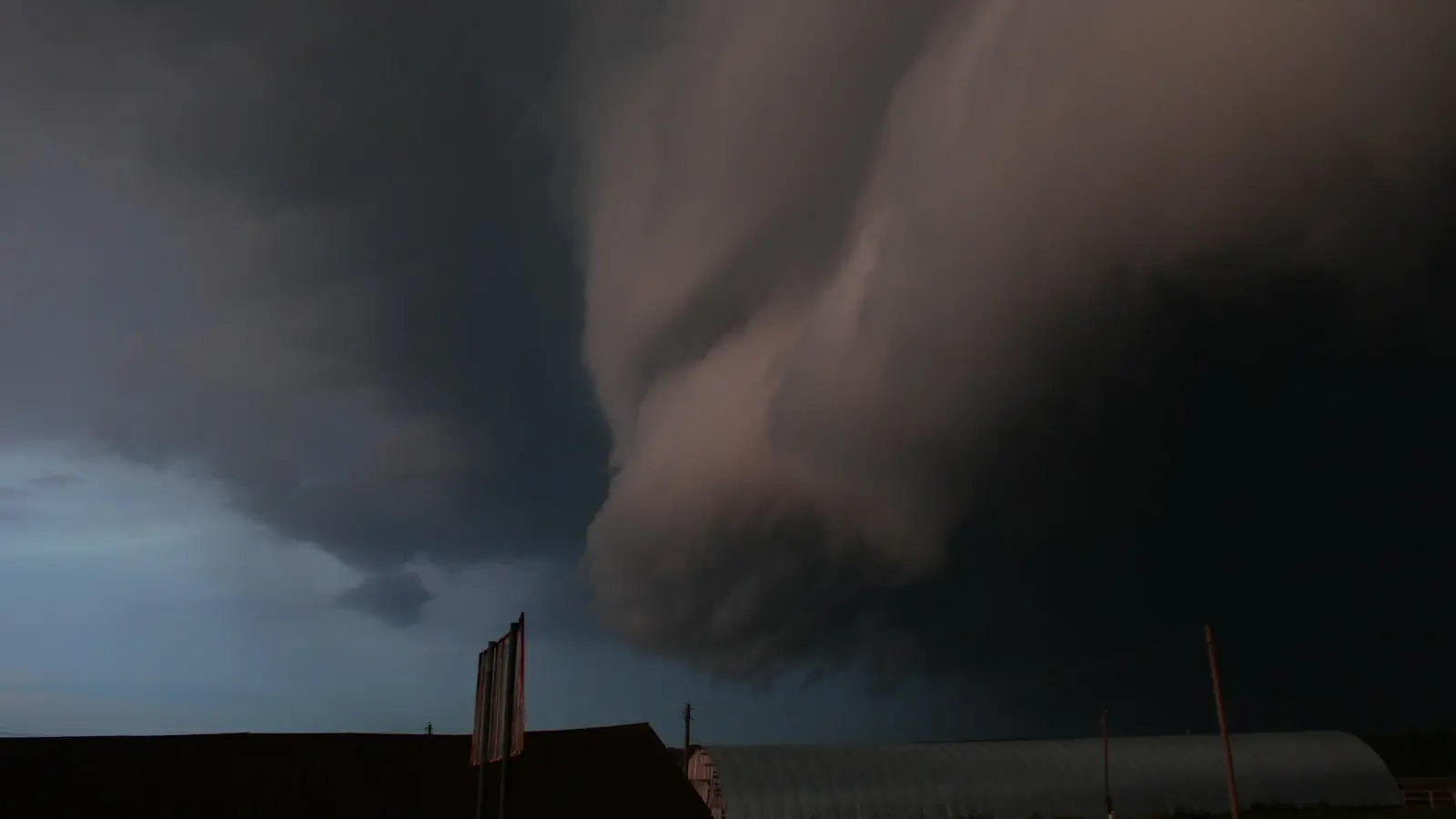

The atmospheric architecture of our planet is currently undergoing a structural shift that renders decades of historical climate data insufficient for modern urban planning. When global surface temperatures climb, the fundamental physics governing moisture retention undergo a predictable, yet catastrophic, expansion. We are no longer discussing theoretical climate models. We are observing the physical manifestation of the Clausius-Clapeyron relation in real time. (The data is not just alarming; it is precise.)
The Clausius-Clapeyron Multiplier
The mechanism is governed by a singular, rigid physical law. For every degree Celsius of atmospheric warming, the air gains the capacity to hold approximately 7% more water vapor. This is not an opinion. It is a mathematical certainty. As the planet warms, the atmosphere acts like an expanding sponge. When that sponge eventually reaches its saturation point, the resulting discharge is vastly more intense than the systems for which current regional infrastructure was designed. Our pipes, levies, and drainage systems were built for the precipitation norms of the 20th century. They are now being asked to process a 21st-century deluge.
The Jet Stream Stagnation
Beyond simple moisture volume, the spatial movement of these systems has shifted. Weather patterns are propelled by the temperature gradient between the Arctic poles and the equator. As the Arctic warms at a rate significantly higher than the global average, that thermal gradient narrows. The jet stream, which typically acts as a high-altitude highway for weather systems, loses its vigor. It wobbles. It stalls. (Think of a river losing its current.) When the jet stream slows, the weather patterns it carries—be they high-pressure heat domes or low-pressure storm systems—effectively lose their momentum. They become stuck. A storm that would historically have passed over a city in six hours may now linger for forty-eight. A drought that would have broken under shifting winds instead settles in to bake the soil into concrete.
Urban Infrastructure At The Breaking Point
This stagnation leads to the binary extremes of modern meteorology: prolonged, soul-crushing droughts followed by catastrophic, flash-flood inundations. The IPCC 2023 reports emphasize that the regional impact of these anomalies is non-linear. The damage is compounded because these systems are trapped over densely populated areas that lack the porous surfaces or high-capacity drainage required to manage the sudden hydraulic load. Cities are essentially turning into funnels.
| Variable | Mechanism | Result |
|---|---|---|
| Thermal Capacity | Clausius-Clapeyron Relation | 7% increase in moisture per 1°C |
| Jet Stream Velocity | Reduced Polar-Equatorial Delta | Stagnant, slow-moving storm cells |
| Urban Surface | Hardened Infrastructure | Inability to absorb peak rainfall |
The Cost Of Delayed Adaptation
Climatologists have begun to lobby for a radical pivot in civil engineering. We must move away from designing for historical averages and toward designing for future anomalies. This requires a complete overhaul of how we treat urban permeability, stormwater retention, and disaster response logistics. If we continue to lean on the models of 1990 to navigate the reality of 2030, the economic and human costs will continue to compound. (The atmosphere does not negotiate.) The transition to resilient infrastructure is no longer a matter of policy preference. It is a necessary response to the shifting physics of our local environments. As the atmosphere continues to retain more moisture and the jet stream continues to lose its grip, the regions that adapt first will be the only ones capable of maintaining function in the face of persistent meteorological volatility.