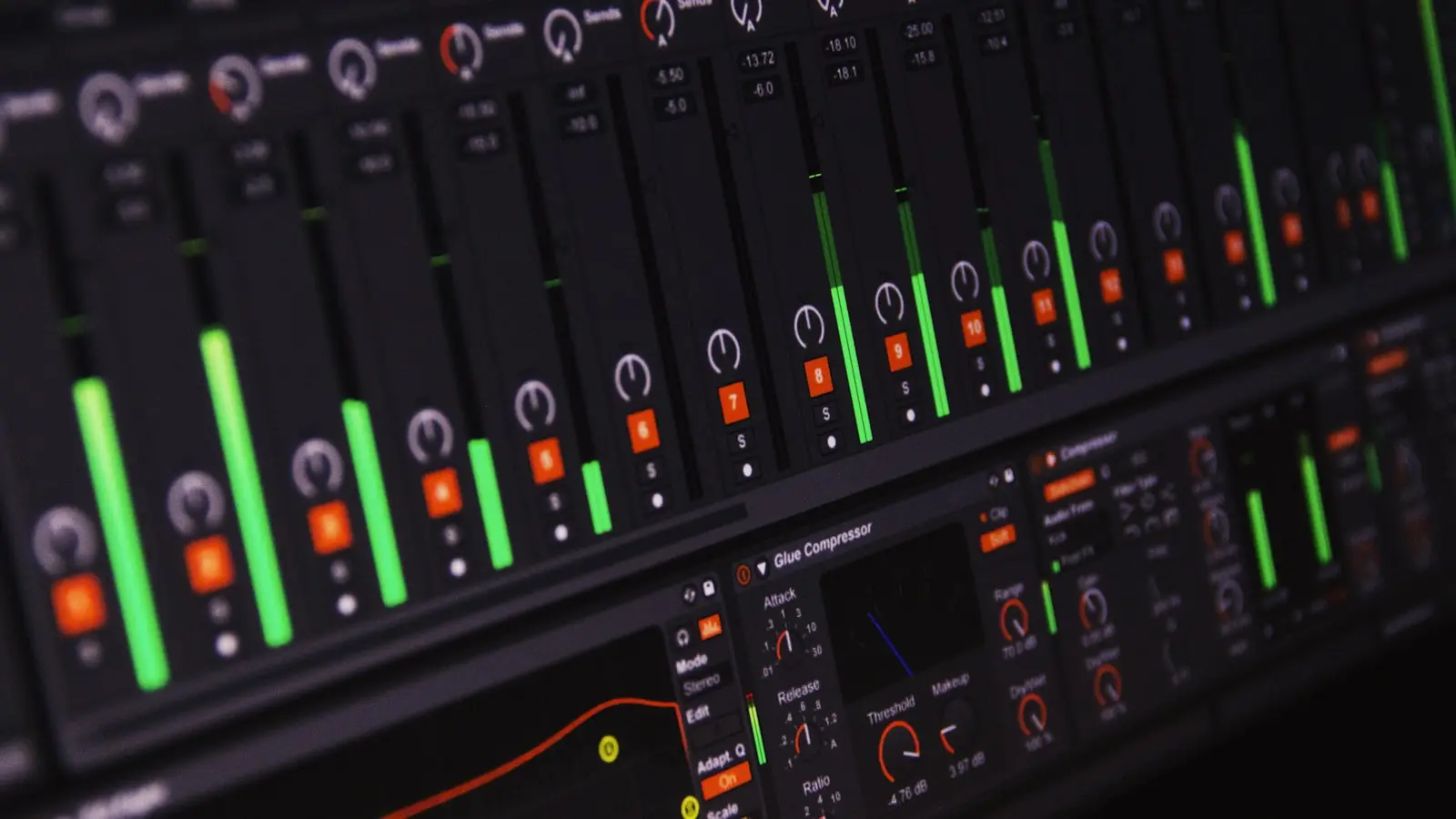
Movies reuse sound effects because professional sound libraries provide clean, controllable audio that can be edited around dialogue and matched to a changing picture. A familiar crowd cheer, child laugh, dog bark, or playground call can break immersion, but reuse alone does not mean the sound team cut corners.
The important test is whether the final mix makes a sound support the scene rather than distract from it. A reused clip may disappear into background texture, while the same clip can feel conspicuous if it is isolated, loud, or placed in a quiet moment.
Key Takeaways
- Reused movie sound effects often come from licensed or otherwise cleared sound libraries, not from one universal catalog.
- Film soundtracks commonly combine production audio, custom recordings, Foley, ambience, and library effects.
- Crowd and playground audio is frequently rebuilt in post-production because location recordings can be noisy, inconsistent, or difficult to control.
- A short, distinctive voice or sound can stand out even inside a dense ambience mix.
- Reuse becomes a problem when a recognizable clip pulls attention away from the story.
What viewers are hearing in a movie soundtrack
Reused movie sound effects usually come from sound libraries: organized collections of pre-recorded audio that editors can search and use under the rights available to a production. Libraries may include vehicles, weather, animals, doors, impacts, crowds, household objects, rooms, streets, and many variations of human activity.
That does not mean every sound in a film comes from a library. A finished soundtrack may combine audio recorded during filming, material captured specifically for the production, Foley performed in a studio, and licensed effects. Sound design is usually assembled in layers rather than captured as one complete, natural recording.
The useful distinction is between ambience beds and hero sounds. An ambience bed establishes a place: restaurant murmur, wind through trees, traffic outside an apartment, or general activity in a schoolyard. It gives the scene scale and continuity without demanding attention.
A hero sound is more exposed. It might be a close door slam, a bicycle bell, a glass break, a scream, or a child calling near the camera. Because hero sounds are tied to action or emotion, audiences are more likely to recognize them when they recur across unrelated films.
A believable playground may include outdoor tone, distant traffic, scattered voices, footsteps, swings, ball bounces, birds, and occasional close reactions. One distinctive laugh or shout can remain audible among those layers. That short fragment is often what viewers remember, even when the wider soundscape is carefully constructed.
Why filming does not always capture usable background sound
Movies record sound on set, especially dialogue, but production audio is shaped by the needs of a visual shoot. Cameras, lighting equipment, generators, crew movement, traffic, aircraft, weather, and nearby construction can all affect recordings.
Dialogue also takes priority. If performers need to be understood, uncontrolled background sounds may have to be reduced or replaced. A real playground may provide lively atmosphere, for example, but individual voices can be too close, too inconsistent, or too distracting beneath a conversation.
Continuity adds another challenge. A scene can be filmed across several hours or days, from different angles, in changing weather and with different background activity. Picture editing can join those shots smoothly, but the original ambience may shift from cut to cut. The sound department often builds a consistent environment underneath the edited scene.
Several specialties contribute to that work. Production sound captures usable material during filming. Dialogue may be repaired or re-recorded when clarity requires it. Foley artists create controlled details such as footsteps, clothing movement, and object handling. Effects editors assemble environmental and action sounds, while re-recording mixers balance dialogue, music, and effects.
This makes a library clip a practical option. It is clean, immediately available, and easier to trim or reposition around dialogue than noisy location audio. Strong film sound design often blends real location tone, custom recordings, Foley, and library material rather than relying on a single source.
How sound libraries, rights, and schedules make reuse practical
Hollywood stock sound effects are useful because they are organized for production work. Editors can search by source, action, intensity, duration, perspective, or recording character instead of recording every needed sound from scratch.
Perspective matters. A crowd heard from inside a gym should not sound like a crowd standing beside the camera. A scene may need a diffuse distant layer for a wide shot, then more specific voices or reactions for a close-up. Libraries can provide options that are easier to audition and reshape as the edit changes.
Sound effects licensing is another practical factor. A production needs rights appropriate to the intended use of an asset. Terms can vary by supplier, project type, distribution plan, territory, media, and agreement, so a file being easy to find does not make it safe to use.
A cleared asset also reduces uncertainty when editorial decisions arrive late. If a scene is shortened, expanded, restructured, or rewritten around new dialogue, sound editors need material that can be replaced, extended, or rearranged quickly.
That flexibility does not remove creative labor. It shifts the work toward selection, timing, layering, processing, and mixing. An editor may audition many alternatives before finding one that fits the image, emotional tone, and acoustic space.
Some sounds remain in circulation because they are technically useful and continue to be available under their relevant rights arrangements. That does not mean all films draw from one shared library. Legacy collections, studio archives, commercial libraries, and production-specific recordings can overlap in style and content.
The famous reusable scream often associated with film sound is an unusually obvious example of a shared effect. Most repeated sounds are less dramatic: a brief burst of applause, a distant siren, a bird call, a crowd reaction, or a child’s voice buried inside a larger ambience layer.
Why repeated crowd and playground clips stand out
Audiences do not notice every reused sound. They tend to notice clips with a memorable pattern: an unusual laugh, a distinctive vocal pitch, a recognizable rhythm, a striking bird call, or a crash with a particular sequence of impacts.
Placement matters as much as the recording itself. A distinctive sound can vanish beneath dialogue, music, or rapid action. Put it in a quiet pause, and it may become the scene’s most identifiable audio event.
Reused playground sounds are especially vulnerable to recognition because children’s laughs, cries, and shouts can be highly individual. Playground scenes also often use intermittent activity rather than a continuous wall of noise, leaving more space for a single clip to stand out.
Mix priorities can make that exposure more likely. Dialogue intelligibility usually comes first, so background activity may be simplified or shaped around spoken lines. The result can leave isolated crowd sounds audible in the gaps, rather than creating the constant randomness of a real public space.
The criticism is valid when repetition breaks immersion. A familiar clip can pull attention from the characters to the construction of the soundtrack. Still, one exposed layer does not define the quality of the whole mix; it may sit within extensive work that remains intentionally unnoticed.
Does repeated audio mean poor film sound design?
Not necessarily. Film sound design is not a contest to create every element from zero. The craft is in communicating place, movement, scale, emotion, and story while keeping the soundtrack coherent and dialogue understandable.
Library sound effects can be a sensible choice when they are brief, low in prominence, covered by other elements, or conventional enough that they register as texture rather than a specific event. Reuse can also help a recurring setting maintain a consistent broad acoustic identity.
The risk rises when a sound is exposed. A quiet dramatic scene, close foreground action, a signature location, or a setting revisited throughout a film may benefit from custom recording or heavier editing. If the audience is likely to hear a sound as an individual event, a familiar stock clip is a less reliable fit.
Budget and time matter, but they are not the only considerations. Custom recordings still require suitable access, equipment, performers where needed, editing time, and any necessary permissions. A library file may be faster to obtain, yet still require considerable judgment to feel native to the scene.
How sound teams make familiar assets less noticeable
The first option is often choosing another take. Sound libraries may include multiple versions of the same kind of event recorded at different distances, angles, and intensities.
Editors can also vary timing. Moving a shout slightly, trimming its beginning or end, or placing it against another action can reduce a repeated audio fingerprint. Those changes still need to match the image and preserve the scene’s rhythm.
Layering is central to believable ambience. A crowd feels more natural when it includes broad distant activity, a few mid-distance voices, and occasional close details, rather than one loop doing all the work. Different perspectives help the soundtrack feel spatial instead of flat.
Location tone can anchor added material. Even a modest recording from the real environment may provide wind, room resonance, traffic character, or distant activity that helps licensed sounds belong in the shot. Reverb, equalization, volume automation, and distance treatment can further match an effect to the on-screen space.
Editors may also remove the most recognizable part of a clip. The objective is not to disguise every asset completely, but to stop one sound from receiving more attention than the story needs.
Reused movie sound effects are a normal production tool. The meaningful question is whether the final mix makes them serve the world on screen or turns them into an unintended distraction.
FAQ: Are most movie background sounds recorded during filming?
Production recordings can provide useful dialogue and environmental material, but post-production commonly augments or replaces background sound. Sound teams need control over clarity, continuity, perspective, pacing, and the balance between dialogue, music, and effects.
FAQ: Is it legal for different movies to use the same sound effect?
It can be legal when each production has the needed permission or license, or when an asset is available under rights that allow repeated use. The exact answer depends on the sound, its owner, and the agreement governing its use.
FAQ: Why is the same scream easier to notice than repeated crowd noise?
A scream is usually a distinct foreground event with a clear shape and emotional delivery. Crowd ambience is often layered, distant, and partly masked by dialogue or music, making repeated fragments less likely to register as one identifiable clip.