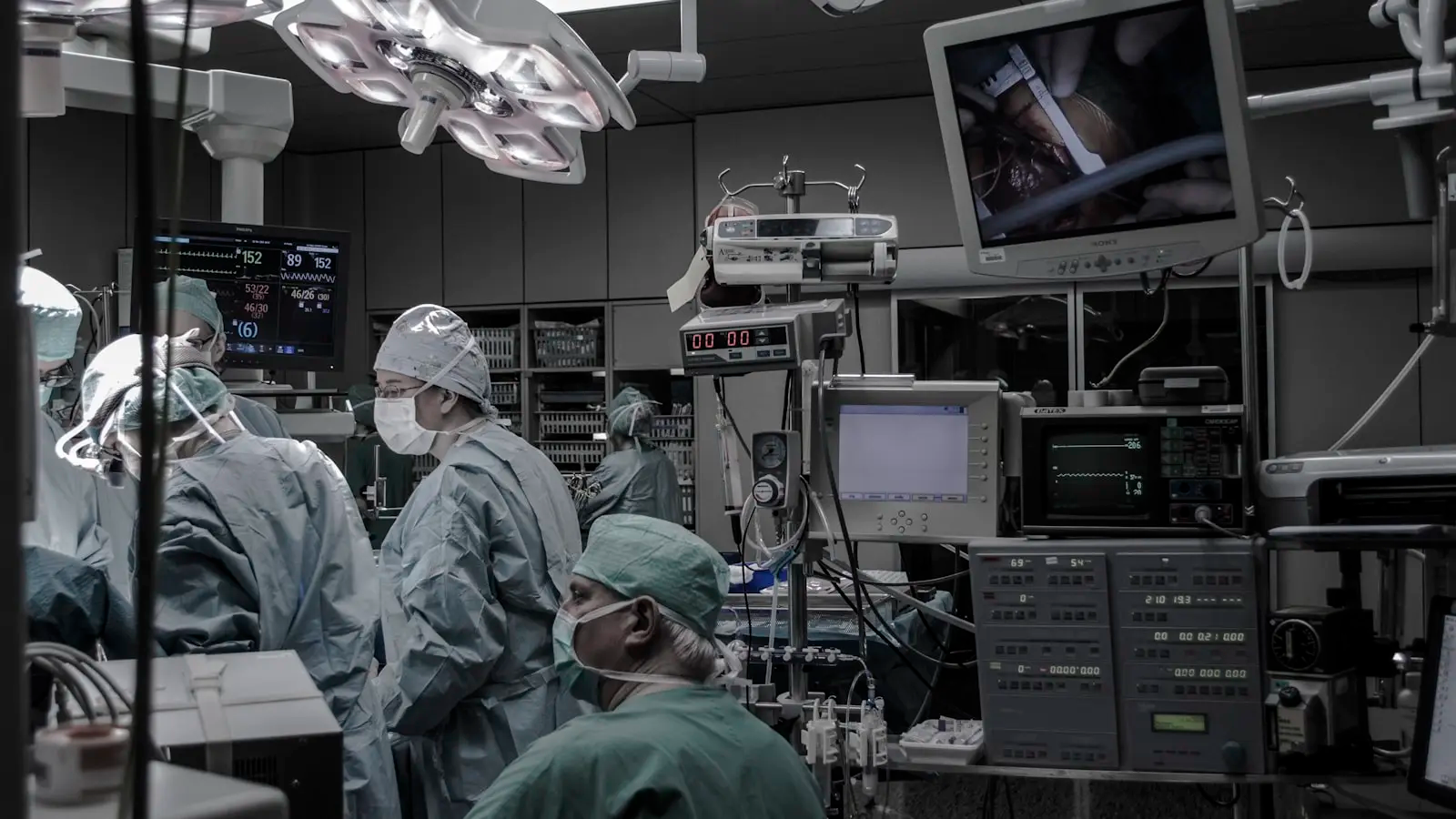

The Psychology of the Clinical procedural
Modern television audiences are gravitating toward the hospital corridor with renewed intensity. While the medical drama has been a staple of prime-time television for decades, the current iteration represents a pivot from the classic “doctor hero” trope toward a grittier, bureaucratically burdened reality. Shows like The Pitt have successfully captured the public imagination by anchoring high-stakes clinical scenarios within the stifling, often inefficient architecture of modern institutional life. It is not merely the surgical precision of the plot that keeps viewers tuned in, but the mirroring of their own anxieties regarding systemic failures and personal agency.
Defining the Shift in Social Realism
Television critics and industry analysts note a distinct departure in how these narratives are constructed. The current generation of medical dramas prioritizes what sociologists label “social realism.” This approach involves documenting medical protocols with a level of accuracy that borders on the academic, while simultaneously exposing the rot within the healthcare system that millions navigate daily.
- Procedural Integrity: The commitment to realistic clinical workflows provides a sense of order.
- Institutional Critique: The narrative focus on physician burnout and supply chain bottlenecks mirrors real-world economic pressures.
- Individual Agency: Characters fight to maintain moral integrity within massive, unresponsive organizations.
(Is this a form of mass therapy?) The evidence suggests that viewers find a strange, cathartic comfort in the problem-solving nature of these narratives. Medicine, as a discipline, offers a binary framework for life and death, success and failure. In an era of profound institutional uncertainty, this predictability acts as a metaphorical anchor for audiences grappling with complex, unsolvable societal problems.
The Mirror of Institutional Uncertainty
Dr. Alan Moore, a prominent television historian, posits that the resurgence of this genre is a direct reaction to the erosion of public trust in foundational institutions. When individuals watch a protagonist battle a broken hospital hierarchy, they are witnessing an idealized struggle that feels painfully relevant. It is no longer about the surgeon who can do no wrong; it is about the doctor who is forced to choose between the patient and the budget spreadsheet.
This structural tension creates a compelling narrative engine. By humanizing the people caught within these massive systems, the genre invites the audience to process their own experiences with corporate bureaucracy and systemic neglect. The success of these shows is a barometer for how society perceives its own fragility. When healthcare systems falter in the real world, the television screen becomes a space for processing that trauma. (It is a predictable cycle.)
Market Dynamics and Audience Retention
From an economic standpoint, the medical drama remains a high-value asset for streaming platforms and traditional networks alike. The recurring nature of the procedural format ensures high audience retention, while the depth of character study allows for long-tail engagement. However, the true secret to the genre’s longevity is its versatility. It can shift from a clinical thriller to a sociopolitical critique without breaking the audience’s suspension of disbelief.
As production values increase, the line between documentary and drama continues to blur. Audiences are no longer satisfied with sanitized depictions of medicine. They demand to see the friction. They demand the reality of the waiting room, the exhaustion of the shift, and the cold reality of the bottom line. Whether these shows eventually hit a saturation point remains to be seen, but for now, the hospital drama stands as the most effective mirror for a society in flux.