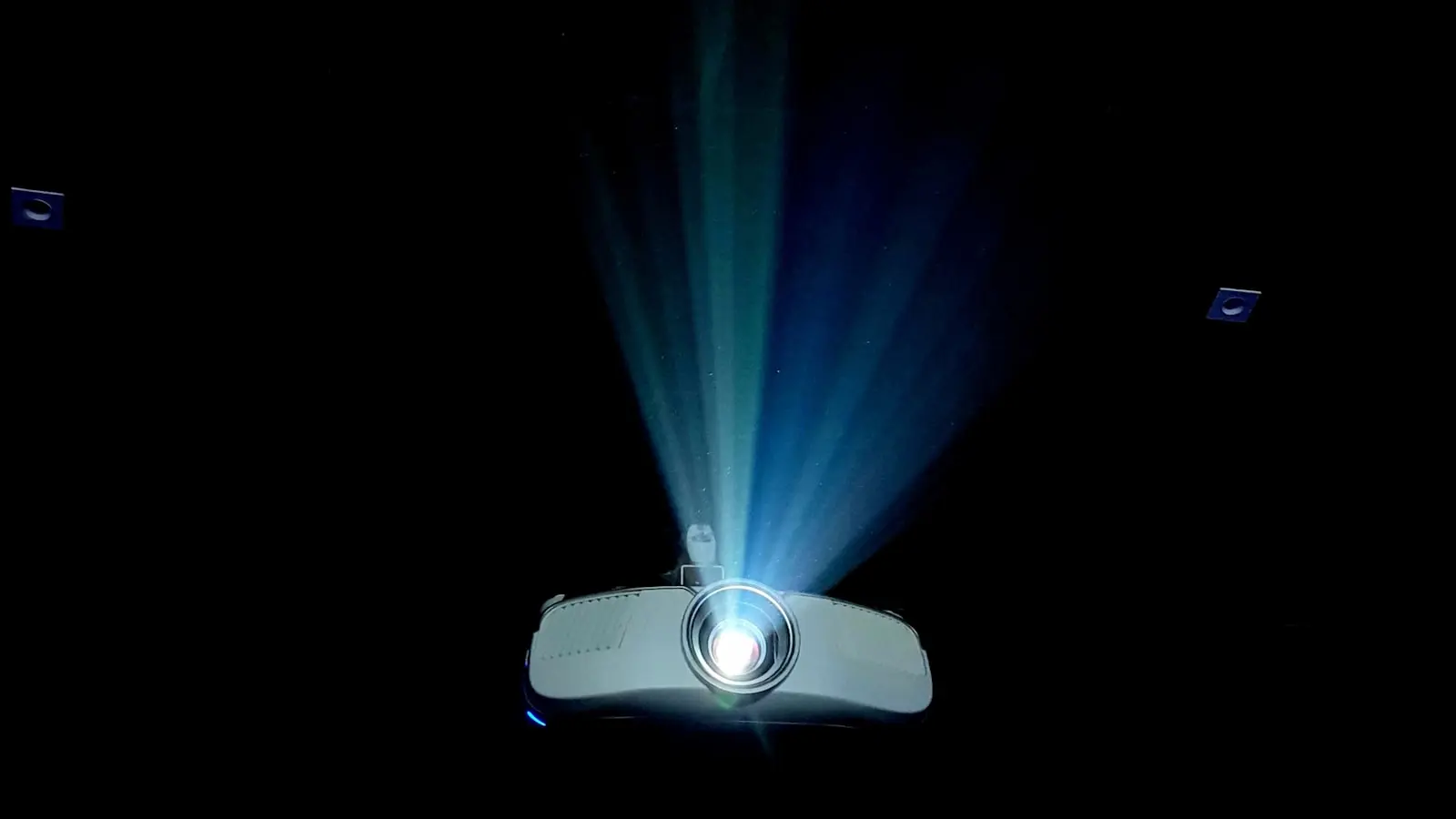

The flicker of a projector has long served as a portal, yet contemporary audiences are increasingly staring at a screen saver instead of a story. Large-scale studio productions are pivoting toward the construction of “wallpaper-worthy” frames, prioritizing aesthetic singular moments over the structural integrity of a coherent plot. (It is a costly gamble.) This trend signals a fundamental rupture in how cinema is consumed and marketed in a digital-first economy.
The Rise of the Shareable Still
Production budgets are being redirected from narrative development to high-fidelity CGI and avant-garde cinematography that translates perfectly into high-resolution social media posts. A single, perfectly framed shot of a neon-drenched cityscape or a high-contrast character portrait now holds more market value than a tightly woven third act. Studios recognize that if a film fails to capture attention on a scrolling feed, it essentially does not exist to the modern consumer. This strategy is not merely an artistic choice; it is a defensive reaction to declining attention spans.
The Economics of Ambient Cinema
Industry analysts have identified a emerging category known as “ambient cinema.” Much like lo-fi hip-hop beats intended to be played in the background, these films function as atmospheric experiences. The objective is no longer to grip the viewer with mounting tension or complex character arcs, but to wrap them in a consistent, visually pleasing aesthetic. While this approach effectively builds brand identity for directors, it leaves a hollow core. The reliance on lens technology and digital environments often strips away the physical tension found in location-based filmmaking. (Computers simply cannot replicate the weight of a real room.)
Audience Reception and Cultural Polarization
The divide between traditionalists and digitally native demographics is widening. Younger viewers often equate production value with quality, viewing a film as a series of aesthetic beats that can be enjoyed in isolation. Conversely, legacy critics argue that narrative pacing is the bedrock of cinema. When the script is treated as an afterthought to the visual composition, the emotional payoff vanishes. The consequences are clear:
- Reduced Rewatchability: High-gloss visuals lose their luster once the viewer understands the aesthetic trick.
- Market Saturation: Every film begins to share a similar, homogenized visual language to maximize broad appeal.
- Loss of Subtext: Complexity is frequently sacrificed to ensure the visual message remains immediately readable in a small mobile window.
Is the Spectacle Sustainable
If studios continue to prioritize “shareable” frames, they risk alienating the audience that seeks intellectual engagement. While the metrics might look positive on a dashboard (likes and shares are easily quantified), the long-term impact on cinema culture is corrosive. Narrative depth acts as the anchor that keeps a film in the cultural conversation for years. A beautiful frame lasts a few seconds; a great story lasts a lifetime. The industry must decide whether it wants to be a museum of high-resolution images or a storyteller for a restless age. If the current trajectory continues, we may soon find ourselves with a wealth of stunning imagery and an absolute poverty of meaning. (It is a hollow victory.)