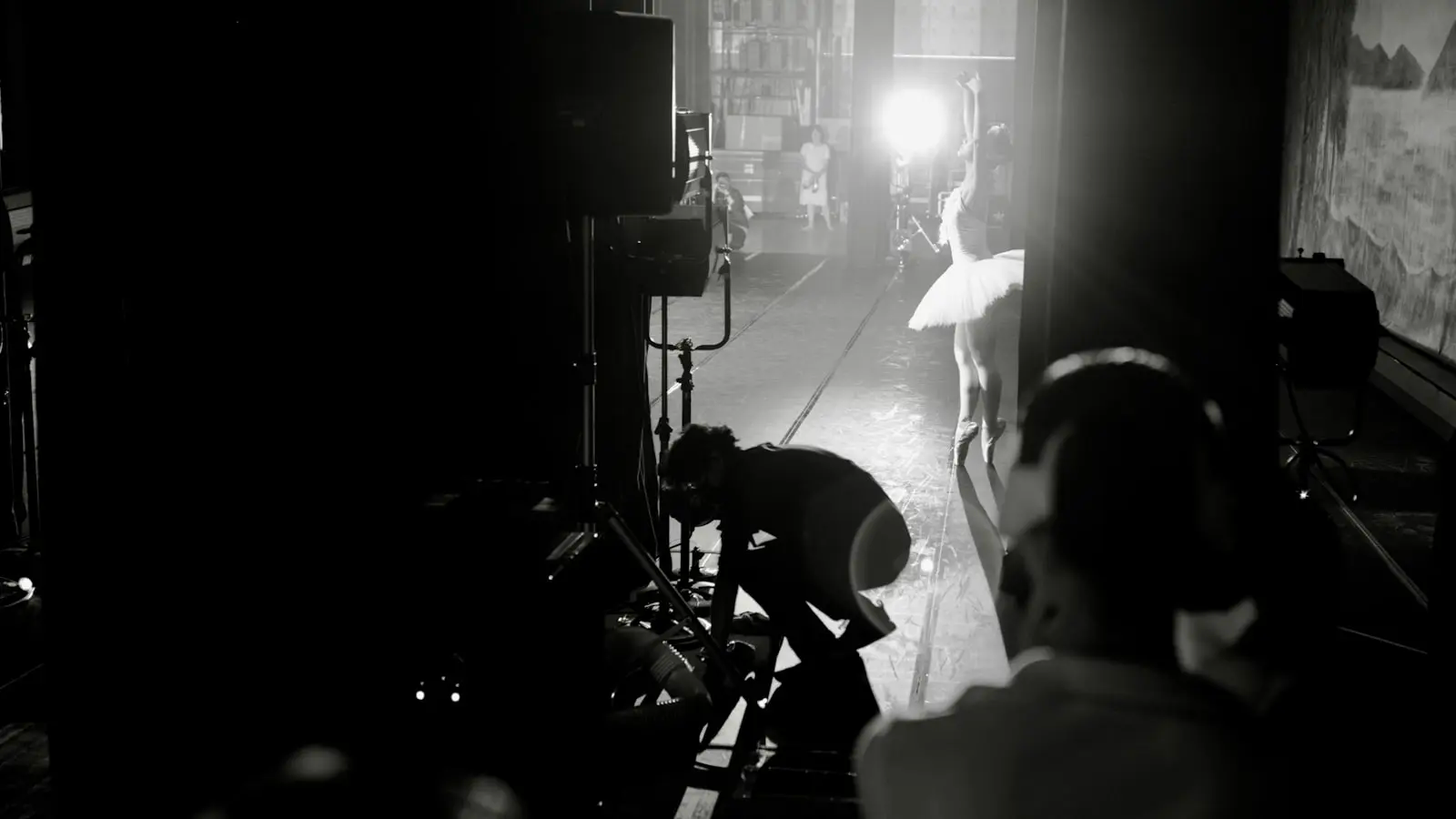

The cinematic landscape is currently undergoing a structural pivot toward the purely optical. When audiences exit a theater having absorbed a film like Denis Villeneuve’s “Blade Runner 2049,” the common refrain is rarely about the character arcs or the rhythmic cadence of the screenplay. Instead, the conversation centers on the architectural scale of the frame, the synthetic glow of the light, and the deliberate use of negative space. Cinema, long held in the thrall of the literary tradition, is increasingly decoupling from the word in favor of the image.
This shift represents a fundamental realignment of the industry’s economic and creative priorities. Directors now command digital intermediate (DI) suites with the same authority that master painters once held over their pigment mixing. By manipulating color palettes with granular precision, cinematographers can strip a film of realism in favor of a cohesive, sensory-first aesthetic. It is no longer about replicating the world. It is about constructing a distinct atmospheric reality that exists independently of the script.
The Architecture of Immersion
Visual immersion serves as a counterbalance to the exhaustion of dialogue-heavy content. In an era where information density is high and attention spans are fractured, the non-verbal film offers a sanctuary. Wes Anderson’s compositions exemplify this extreme; his frames function as discrete units of visual information, requiring zero exposition to convey hierarchy or intent. This is not merely stylistic indulgence. (It is, in fact, a calculated rejection of the conventional narrative crutch.)
When filmmakers choose to utilize negative space effectively, they force the audience to participate in the storytelling process. By stripping away redundant dialogue, the film invites the viewer to fill the void with their own emotional context. This creates a more intimate bond between the screen and the eye, provided the technical execution is flawless. A poorly composed frame is a distraction, but a well-composed one is an anchor.
The Economic Evolution of Aesthetic Control
The adoption of advanced digital intermediate processes has democratized the ability to stylize film at the post-production stage. What once required intricate physical lighting setups and specific film stock can now be fine-tuned in software. This evolution has led to a surge in highly stylized films that prioritize aesthetic cohesion over representational accuracy. The economic imperative is clear: visuals remain the most exportable and universally consumable asset in the global entertainment market.
| Technical Element | Traditional Role | Modern Digital Role |
|---|---|---|
| Color Grading | Corrective | Stylistic |
| Composition | Narrative Focus | Emotional Framing |
| Lighting | Practical Visibility | Atmosphere Construction |
| Negative Space | Contextual Framing | Philosophical Subtext |
Sensory Consumption in a Digital Age
Why do audiences demand this? The sensory immersion provided by high-production-value visuals is a unique value proposition that streaming services struggle to replicate on mobile devices. Cinema has had to pivot into a format that justifies the physical theater experience, and visual spectacle is the primary driver of this justification. (Is this truly sustainable?) Perhaps not, but for the current epoch, it is the dominant mode of engagement.
As the industry trends toward more stylized, non-linear, and visually dense storytelling, the role of the writer is being reshaped into that of a silent partner. The narrative is now built into the lighting diagrams and the geometry of the shot. If the visual language is coherent, the story remains intact. If it fails, no amount of dialogue can mend the breach. The screen has become a canvas, and the audience has made it clear: they prefer to look at a masterpiece than listen to a lecture.