
The Case for the Shoulder Season
When the winter chill begins to lose its grip on the European continent, the southern edge of Portugal undergoes a quiet transformation. March in the Algarve does not offer the sweltering heat of August, nor does it demand the patience required to navigate narrow coastal paths congested with tour buses. Instead, it offers a stark, refined clarity. For the discerning traveler, this period represents a strategic opening. (The chaos of peak season is a distant memory.)
Economic and Environmental Realities
Data from the March 2024 season confirms a significant shift in logistics. Accommodation providers across the region consistently lower their nightly rates by 30% to 40% compared to the peak summer window. This pricing adjustment acts as an incentive for those seeking value without sacrificing the quality of the destination. Beyond the balance sheet, the environment shifts. With temperatures hovering around a comfortable 19C (66F), the climate facilitates sustained physical activity. Walking trails, historical architecture, and cliffside lookouts become accessible without the sensory overload of high-density tourism. The infrastructure is present, but the noise has been dialed down.
The Mediterranean Climate Paradox
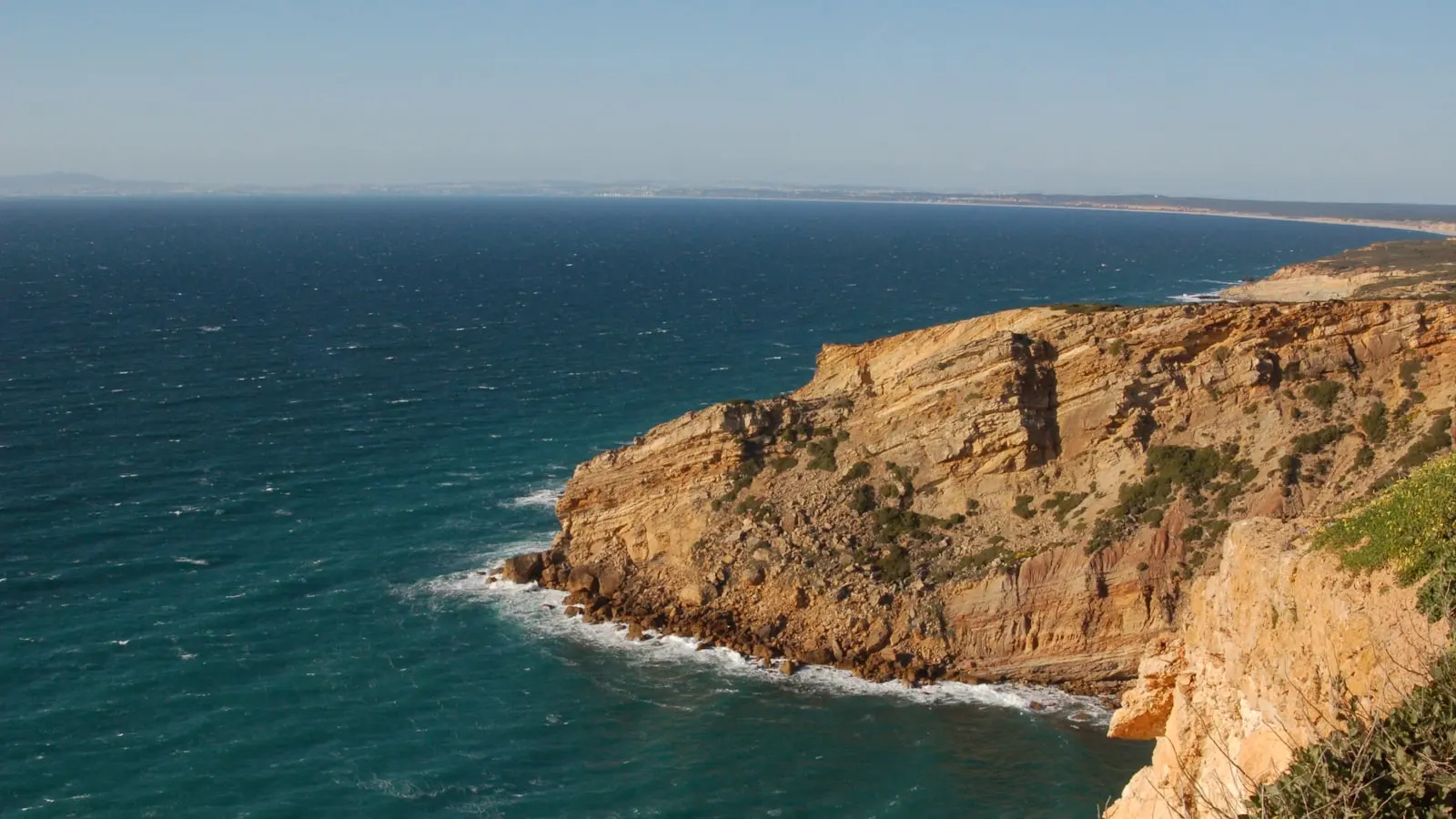
Common travel anxiety often stems from the fear of seasonal instability. Many prospective visitors steer clear of the early spring, fearing the unpredictability of Mediterranean rain. However, the meteorological reality favors the prepared. Portugal experiences a high frequency of sunshine even throughout the off-season. While the Atlantic may remain too cold for casual swimming—a deterrent for the beach-resort crowd—the trade-off is superior for those interested in photography, hiking, and quiet observation.
Assessing the Trade-offs
To determine if the Algarve in March aligns with a specific travel philosophy, consider the following trade-offs:
- Activity Focus: If the priority is deep-sea swimming or tanning, March will fail. If the priority is exploration and cultural immersion, it succeeds.
- Atmosphere: The absence of crowds allows for a more authentic engagement with local coastal towns.
- Cost Efficiency: A 40% reduction in lodging costs allows for the allocation of budget toward fine dining or private guided tours, which are often fully booked in July.
Why Space Matters
Design shapes behavior. When a space like Praia do Carvalho is empty, its architectural features—the limestone cliffs, the erosion patterns, the sheer verticality of the cove—become the focal point. During peak season, the humans occupy the visual plane. In March, the landscape reclaims its dominance. (It is a rare opportunity to see the coast as it was intended to be viewed.)
The Verdict
Traveling to the Algarve in March is an exercise in intentionality. It is not for the traveler seeking the vibrant, hedonistic nightlife of the peak season. It is for the traveler who views the landscape as an essential element of the experience. By choosing the shoulder season, one trades the heat and the crowds for the luxury of space and the quiet dignity of a coast reclaiming its own rhythm. For those who prioritize atmosphere over warmth, the decision is not just worth it—it is essential.