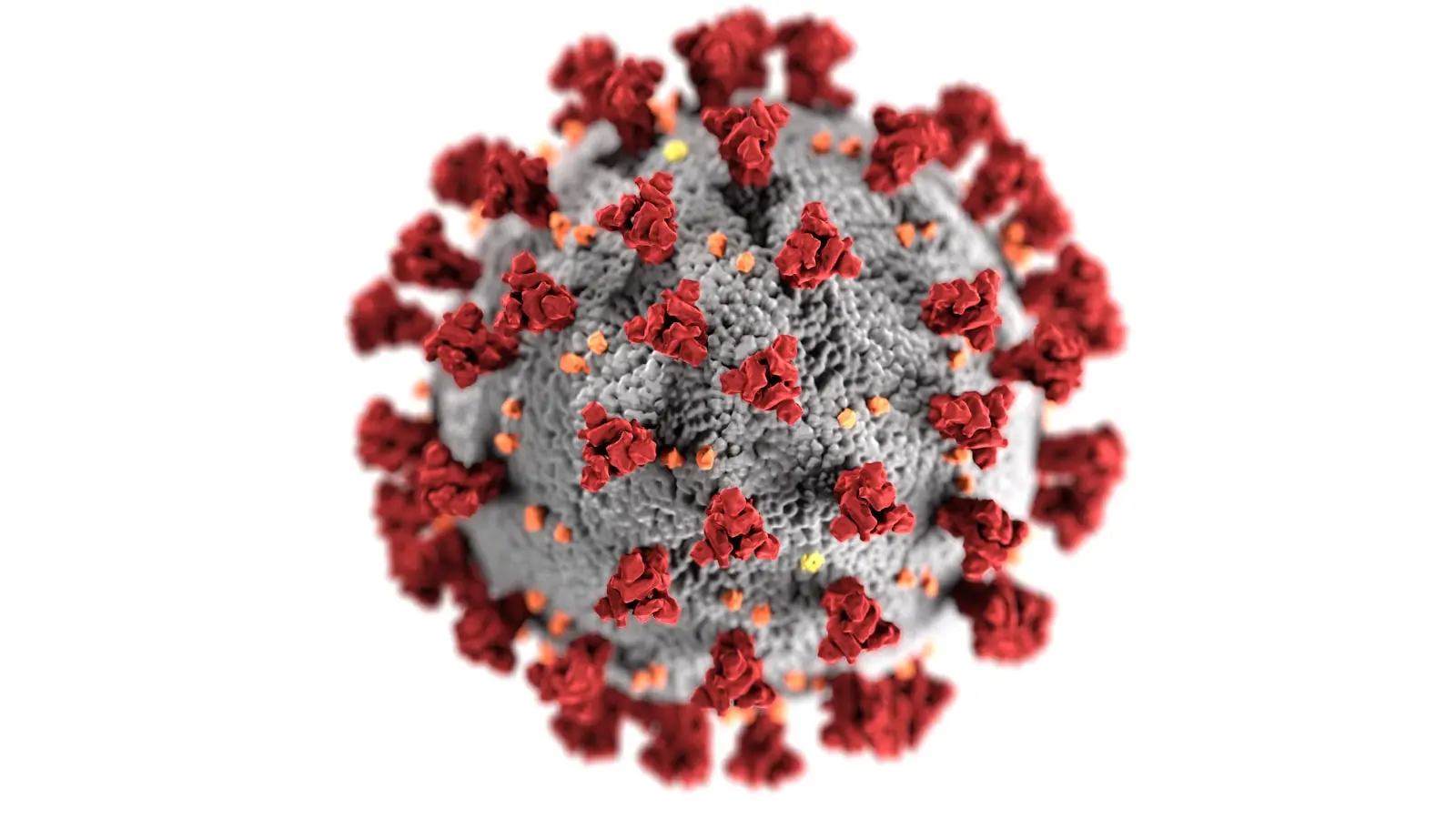

The United States is confronting a significant public health challenge as measles cases in 2026 have exceeded 1,200, marking the highest incidence since the disease was declared eliminated in the year 2000. The Centers for Disease Control and Prevention (CDC) reports that active outbreaks are underway in 15 states, placing a substantial strain on regional healthcare systems. The data indicates a clear and direct mechanism for this resurgence: a breakdown in community immunity.
The overwhelming majority of cases—approximately 80%—have been identified in unvaccinated individuals residing in communities where vaccination coverage has fallen below the necessary protective threshold. Health officials in Texas, Florida, and California, the states with the highest case counts, are managing containment efforts as the virus demonstrates its high transmissibility among susceptible populations. This is not a failure of the vaccine, but a failure of its application.
The historical context is critical for understanding the current situation. Measles was declared eliminated in the United States through a sustained, successful public health vaccination program. However, routine childhood immunization rates, specifically for the measles, mumps, and rubella (MMR) vaccine, have been in a documented decline since 2019. This trend was exacerbated by disruptions to primary care during the COVID-19 pandemic and amplified by persistent misinformation campaigns targeting vaccine safety.
The Mechanics of Herd Immunity Failure
Measles (rubeola) is one of the most contagious human viruses known. Its ability to spread requires a population-level defense, commonly known as herd immunity or community immunity. To prevent sustained transmission, approximately 95% of a community must be immune, typically through two doses of the MMR vaccine. When coverage dips below this critical threshold, even by a few percentage points, it creates vulnerabilities where the virus can re-establish a foothold and spread rapidly.
The current outbreaks are a textbook illustration of this principle. The clusters are not randomly distributed but are concentrated in pockets of low immunization coverage. These pockets act as reservoirs for the virus, allowing it to circulate and eventually reach individuals who cannot be vaccinated for medical reasons. This group includes infants too young for their first dose and, more critically, immunocompromised individuals such as children undergoing chemotherapy.
These vulnerable populations depend entirely on the immunity of those around them for protection. The resurgence therefore poses a direct threat to the most fragile members of the community, turning schools and public spaces into high-risk environments for those who have no immunological defense and are biologically ineligible for vaccination. (A predictable, if unfortunate, outcome of weakened public health resolve).
A Cascade of Systemic Responses
The scale of the 2026 outbreak has triggered a series of urgent responses from public health and governmental bodies. The CDC has deployed emergency response teams to the most affected regions to assist with contact tracing, diagnostics, and vaccination logistics. This represents a significant diversion of resources to combat a disease that was considered a solved problem.
At the federal level, the Secretary of Health and Human Services has called for a national awareness campaign to counteract misinformation and restore confidence in the MMR vaccine. Concurrently, major pediatric organizations have declared the situation a public health emergency, urging clinicians to intensify efforts to catch up children on their immunization schedules.
Local authorities are also enacting stricter policies. Multiple school districts in outbreak zones have announced mandatory vaccination requirements for attendance, removing non-medical exemptions. This has been met with legal and social challenges from organized anti-vaccine groups, which continue to contest CDC messaging online and complicate public health communication efforts. The core conflict is now between established medical science and a fractured public trust.
The smaller outbreaks observed in 2024 and 2025 served as clear warning signals of declining population immunity. The dramatic acceleration in 2026 demonstrates the consequences of failing to heed those warnings. The current crisis is not an unforeseen event but rather the direct result of a measurable decline in a proven public health intervention. Re-establishing control will require a concerted effort to restore vaccination rates to the 95% level necessary to protect the entire community.