
The Architecture of Anticipation
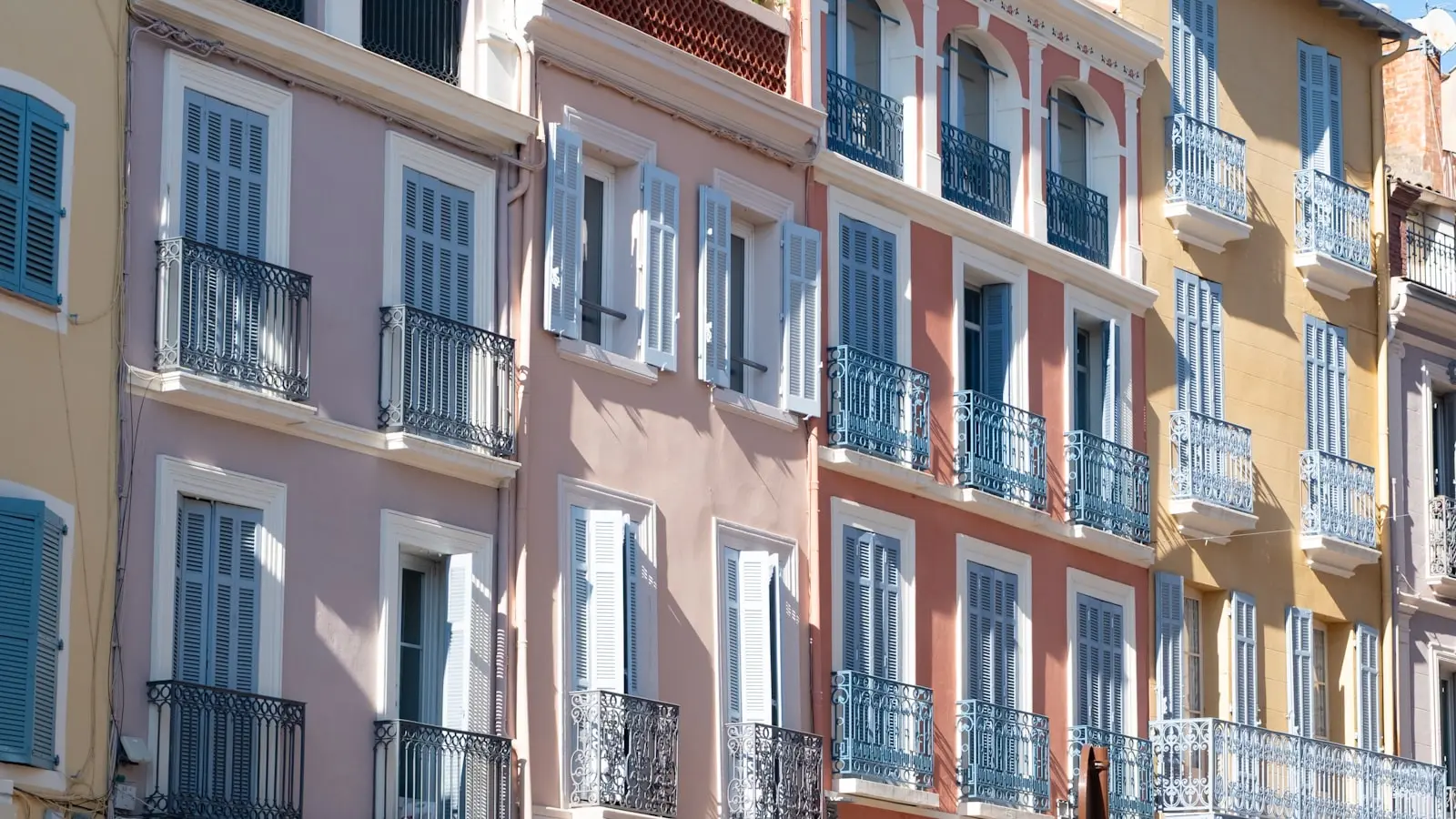
Travelers often seek authenticity, yet the modern appetite frequently drifts toward the curated. On the southern tip of Phu Quoc, the development known as Sunset Town presents a deliberate challenge to the notion of indigenous coastal identity. Instead of the traditional wooden stilt houses or tropical low-rises common to the region, the district leans into an aggressive Mediterranean aesthetic. It features pastel-colored facades, sweeping arches, and decorative cobblestone pavements. The result is a landscape that feels imported, a deliberate departure from the architectural vernacular of Vietnam. (Is this displacement or progress?)
The Economics of the Photogenic
The project serves as a calculated maneuver by hotel operators to capture the attention of younger demographics. By prioritizing high-contrast visuals, the development creates an environment that functions as a real-world stage for social media curation. While critics initially dismissed the district as a superficial construction, the data suggests otherwise. Analysis indicates that the pedestrian-friendly layout, characterized by intricate staircases and balcony-lined corridors, forces a change in visitor behavior. Travelers stay longer. They circulate more. They consume at local cafes. The design effectively dictates the pace of the stay.
Urban Planning as a Product
The effectiveness of Sunset Town lies not in its historical accuracy, but in its structural utility. By rejecting the standard resort model—where guests remain isolated within a single property—this development creates an open, navigable district. The narrow alleys and varied elevation changes mirror the intimacy of European coastal villages, a stark contrast to the sprawling, flat footprints of conventional resorts. This transition is not accidental. The developers recognized that in an era of digital discovery, an environment that invites movement is inherently more profitable than one that encourages static relaxation. It is a gamble on the power of atmosphere to override the demand for local historical authenticity. (And a winning one at that.)
The Critique of Artificiality
Despite the popularity, the label of “artificial” remains a recurring theme among skeptics. The juxtaposition of Mediterranean motifs against the tropical Gulf of Thailand provides a jarring experience for the purist. However, for the average traveler, the concern is less about origin and more about the quality of the streetscape. The attention to detail—from the selection of color palettes to the lighting schemes that define the evening atmosphere—suggests a level of craftsmanship that exceeds standard commercial real estate. When the physical environment is managed with this degree of precision, the line between “real” and “staged” begins to blur into simple functional excellence.
Assessing the Long-Term Impact
The sustainability of this model rests on its ability to evolve beyond mere visual appeal. If Sunset Town continues to attract foot traffic, it will likely serve as a blueprint for future developments across Southeast Asia. The focus on pedestrianism, human-scale architecture, and sensory-driven retail environments shifts the burden of interest from natural scenery to manufactured experience. Whether this trend marks a permanent evolution in regional travel or a temporary phase of consumption, the influence of the district is undeniable. It proves that when design is prioritized, behavior follows suit. People do not just visit places; they inhabit the aesthetics provided to them.