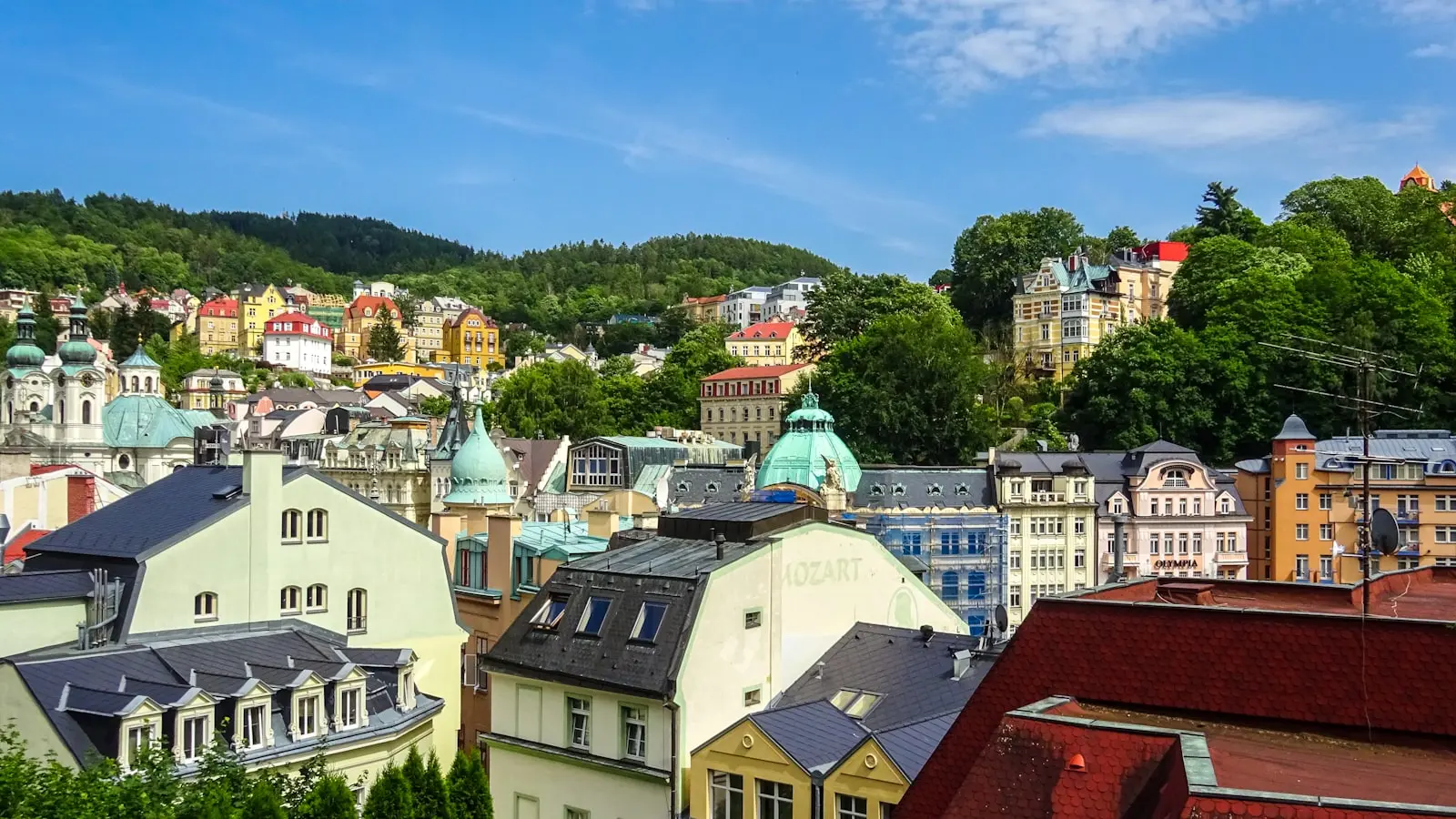

The architecture of wellness is not merely found in the thread count of a robe or the scent of a candle. It is forged in the geology of the earth and the persistence of history. In the western reaches of the Czech Republic, the valley of Karlovy Vary serves as a masterclass in this philosophy. Unlike the sterilized environments of modern luxury spas—which often feel like high-end medical clinics stripped of character—Karlovy Vary offers a ritualistic engagement with the environment. Thirteen primary thermal springs pulse through the town, reaching temperatures as high as 73 degrees Celsius. This is the lifeblood of a regional economy that has functioned as a therapeutic sanctuary since the era of European nobility and the bohemian artistic avant-garde.
The Economics of Traditional Wellness
Access to this specific brand of historical therapy remains competitively priced when compared to the overhead-heavy wellness hubs of Western Europe. Current data suggests that a weekend package in the surrounding region, specifically noted in the town of Kadaň, typically commands between $400 and $700 for two guests. This fee structure encompasses lodging, full spa access, and the local culinary experiences that define the Bohemian palate. It is a cost arbitrage that remains highly attractive for travelers crossing the border from Germany. (One must wonder if the accessibility of this escape is the true source of its enduring popularity.) By shifting the focus from transactional wellness—where one pays for a service—to therapeutic immersion, Karlovy Vary avoids the stagnation of the standard luxury market.
Moving Beyond the Mundane
Travelers today are increasingly dissatisfied with the generic nature of modern hotel spas. These spaces are often interchangeable, existing as placeless nodes in a global network of marble and glass. Karlovy Vary defies this. The experience relies on the “drinking cure,” a metabolic ritual that links the visitor directly to the mineral composition of the earth. When a traveler partakes in these waters, they are engaging with a legacy of treatment for digestive and metabolic ailments that predates the modern wellness industrial complex.
Why Authenticity Drives Revisit Rates
Tourism boards in the Czech Republic emphasize that the cultural value of the historic architecture is inseparable from the health benefits.
- Thermal mineral saturation levels remain consistent with century-old observations.
- Aesthetic continuity ensures that the environment promotes psychological decompression.
- Proximity to German transit corridors maintains a steady flow of discerning clientele.
(Frankly, the tranquil atmosphere here acts as a stark rejection of the frantic pace of major urban centers like Prague.) While a typical hotel spa provides a momentary distraction, this region provides a structural intervention in the visitor’s routine. It is this intersection of rigorous mineral therapy and architectural grandeur that defines the difference between a holiday and a recovery. For those seeking to align their travel habits with genuine metabolic health, the choice is clear. The value is not in the amenities, but in the history held beneath the stone.