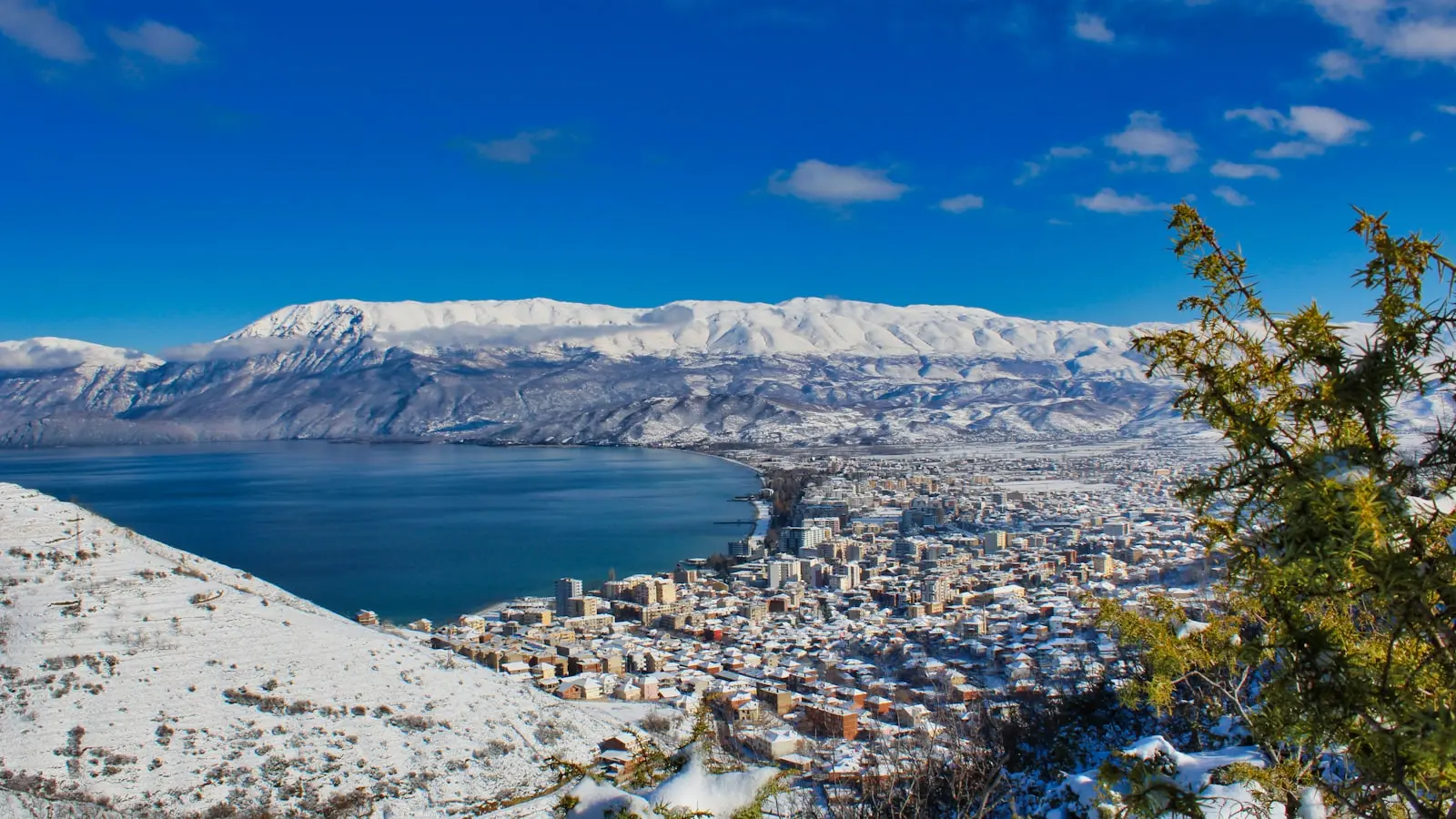

The Shift Toward the Last Frontier
When the map of the Mediterranean is rewritten, it rarely happens with a whisper. In the case of Albania, it arrived as a structural overhaul. Data from the March 2026 Global Tourism Trends Report reveals a 30% year-over-year surge in visitors, a statistic that signals more than a seasonal trend. This is a repositioning of the Balkan state into the mainstream of European leisure. While traditional hubs in Greece and Italy grapple with saturation, Albania offers an alternative that functions at roughly 40% of the cost of its neighbors. (The arbitrage is impossible to ignore.)
Economic Realignment and Capital Investment
This growth rests on a foundation of deliberate economic pivots. Since 2022, the state has injected over 500 million euros into coastal infrastructure and the restoration of heritage sites. This is not merely cosmetic. It represents a transition from a historically isolated, rigid economy to an open-market model designed to capture the attention of Western European and North American travelers. By funneling capital into the physical architecture of tourism, the country has effectively lowered the barrier to entry for international visitors.
The Dual Nature of the Albanian Landscape
Albania operates on two distinct psychological and physical tracks.
- The Mediterranean Coast: Regions like Ksamil are being overhauled to rival the aesthetic polish of the Ionian and Adriatic hotspots.
- The Alpine North: The Accursed Mountains provide a counter-narrative, where the appeal lies in the lack of development and the raw, rugged terrain.
For the visitor, this creates a stark juxtaposition. One morning is spent on a paved boardwalk near a boutique hotel, and the next is spent navigating switchbacks in the north. (For the uninitiated, this requires a 4x4 vehicle.)
The Reality of the Infrastructure Gap
Despite the influx of capital, the country remains a work in progress. When tourists leave the urban centers, the convenience of the modern world thins out. High-speed internet is inconsistent, and localized village markets still rely heavily on cash, resisting the digital payment transition that defines the Western European experience. (It is a reminder that culture often moves slower than investment.)
Evaluating the Risks and Rewards
Is the infrastructure ready for the volume? In the primary corridors, yes. In the periphery, the gap is widening. The current growth trajectory forces a critical question about sustainability: can a nation scale its hospitality without losing the “last frontier” status that currently drives its popularity?
Industry analysts suggest that the next twenty-four months will be the deciding period for Albania. If the government maintains its current pace of investment, the gaps in payment systems and connectivity will likely close. If it falters, the disconnect between luxury coastal developments and rural isolation will deepen. Travelers seeking the authentic, unpolished experience should move now, before the refinement cycle replaces the current landscape with the standardized amenities of the broader European market.