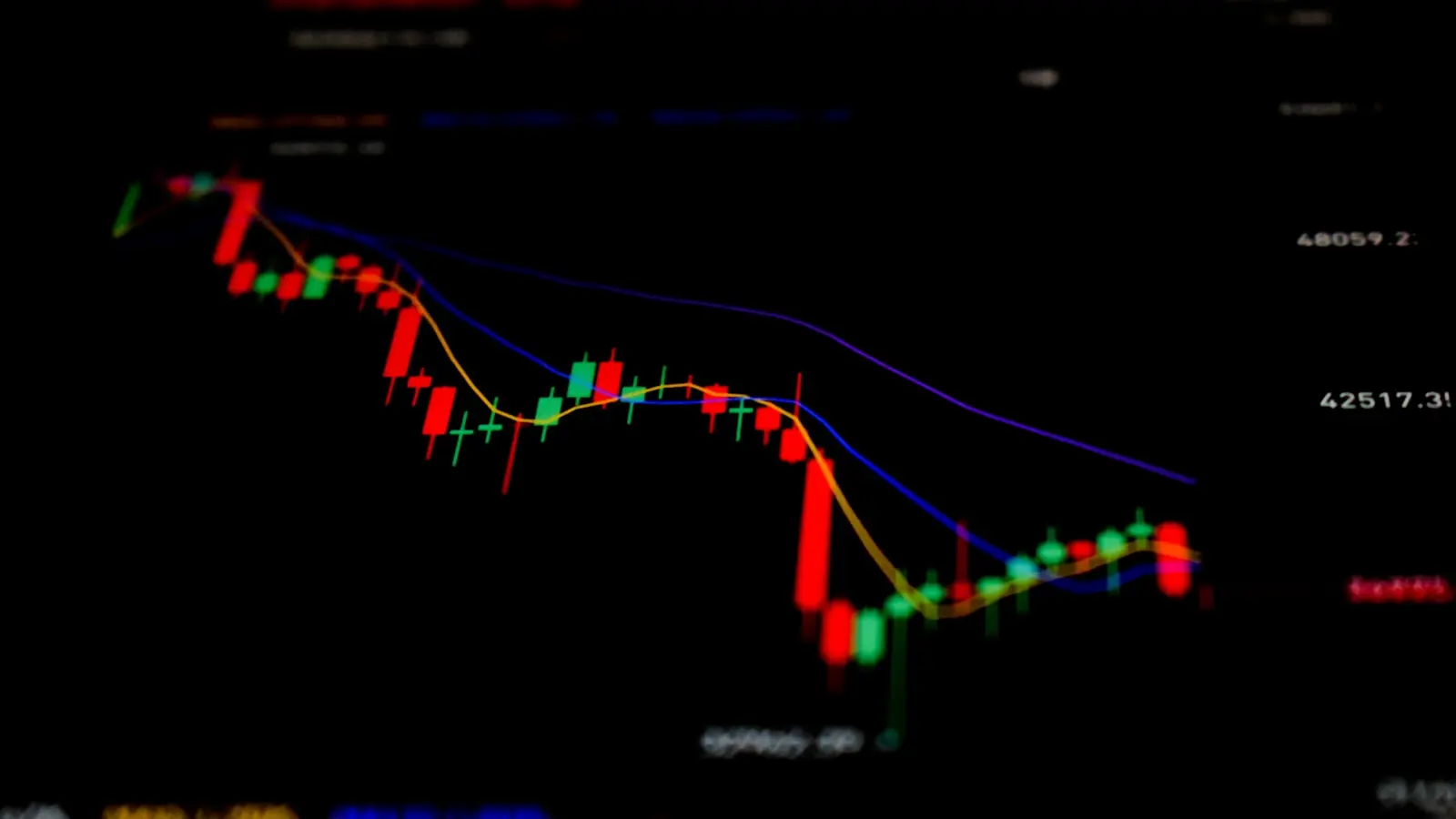

The stock market functions as a high-speed pricing engine, continuously discounting future economic expectations into current equity valuations. When the Bureau of Labor Statistics releases the Consumer Price Index (CPI), it acts as a stress test for market sentiment. If the data trends above the Federal Reserve’s target of 2%, the capital markets respond with immediate, often aggressive, repricing. (Predictably, retail sentiment often leads to liquidation.)
Institutional capital moves with surgical precision. When CPI data reflects elevated inflation, algorithms trigger sell orders within milliseconds. These entities operate on a simple calculus: inflation mandates higher interest rates, higher rates increase the cost of capital, and increased debt servicing costs erode future profit margins. The correlation is mechanical. As the cost of debt rises, company valuations adjust downward to reflect reduced cash flow potential.
The Velocity Gap in Market Reactions
Professional analysts note a widening gulf between institutional and retail reactions. During high-volatility weeks, the market environment becomes hostile to short-term traders. Goldman Sachs and other research entities have repeatedly highlighted that retail investors frequently panic-sell during these data-driven dips, effectively locking in losses that institutional algorithms have already accounted for and adjusted against.
Consider the divergence in strategy:
- Institutional Algorithms: Adjust asset allocation in milliseconds, rebalancing portfolios based on sophisticated interest-rate sensitivity models.
- Retail Investors: Often react to headlines after the initial sell-off has occurred, suffering from “information lag” and emotional bias.
Why Long Term Earnings Outweigh Macro Data
Macroeconomic reports are snapshots, not movies. Professional economists emphasize that while the CPI provides a vital data point regarding the health of the economy, it remains a secondary concern compared to the long-term earnings potential of individual corporations. Companies with deep moats, pricing power, and manageable debt profiles typically remain resilient regardless of the month-to-month fluctuations in the Federal Reserve’s policy trajectory.
Frankly, the obsession with monthly volatility serves as a distraction from the underlying mechanics of value creation. An investor focused on the 10-year outlook of a company’s free cash flow will find the noise of a CPI release largely irrelevant. Conversely, those attempting to time the market based on headline numbers face a losing battle against high-frequency infrastructure that processes information faster than human psychology can interpret it.
Navigating Future Policy Shifts
The post-2020 economic environment has conditioned investors to be hyper-sensitive to Fed policy. This reflexive behavior turns every employment report or inflation reading into a binary event. However, seasoned capital allocators understand that the central bank’s actions are a response to broader trends, not the cause of fundamental business growth. If a business cannot sustain its margins through a cycle of moderate rate hikes, the fault lies with the business model, not the macroeconomic data. The market rewards discipline, not panic. Investors who maintain a focus on balance sheet strength rather than monthly index swings typically find greater stability in their portfolios.